Small cracks in concrete and deteriorating paver joints might seem like minor cosmetic issues, but they often signal the beginning of larger problems.
Water intrusion, shifting soil, temperature changes, and everyday wear can gradually weaken outdoor surfaces, leading to uneven areas, erosion, and costly repairs if left unaddressed.
Concrete crack filler and paver joint repair solutions play a key role in maintaining the strength, appearance, and longevity of patios, driveways, walkways, and other hardscape features. Addressing damage early helps prevent moisture from penetrating the surface and keeps small issues from becoming structural concerns.
With the right crack repair methods and ongoing maintenance, outdoor hardscapes can remain stable, attractive, and better protected against the elements for years to come.
Crack Repair and Paver Joint Maintenance Made Simple
What Are The Best Techniques For Repairing Cracks In Concrete And Paver Hardscapes?
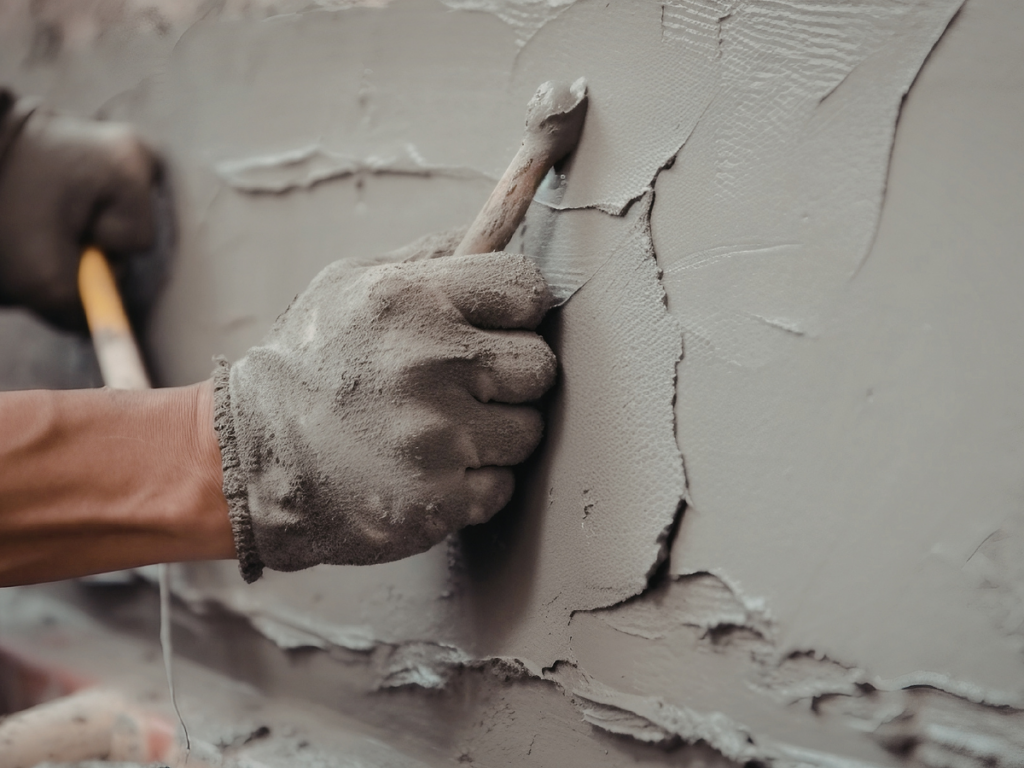
Effective crack repair starts with understanding both the visible damage and the conditions that caused it. While some cracks are purely cosmetic, others may indicate underlying issues such as soil movement, drainage problems, freeze-thaw cycles, or excessive loads.
Taking the time to evaluate the situation before making repairs can help ensure longer-lasting results.
The first step in any crack repair project is to assess the size, depth, and pattern of the crack. Hairline cracks often require a different approach than wider gaps or structural separations.
Industry research has shown that classifying cracks by width helps determine the most appropriate repair method and can improve the overall effectiveness of rehabilitation efforts.
Identifying The Type And Severity Of Cracks
Not all cracks should be treated the same way. Small surface cracks may only affect appearance, while larger cracks can allow water to penetrate beneath the hardscape. Once moisture reaches the base layer, it can contribute to erosion, shifting, and additional cracking over time.
Before beginning any crack repair, inspect the surrounding area for signs of settling, drainage issues, or recurring movement. If the underlying cause is not addressed, even a well-executed repair may fail prematurely.
Preparing The Surface For Repair
Proper preparation plays a major role in the success of any crack repair. Dirt, loose particles, weeds, and moisture can prevent repair materials from bonding correctly to the surface.
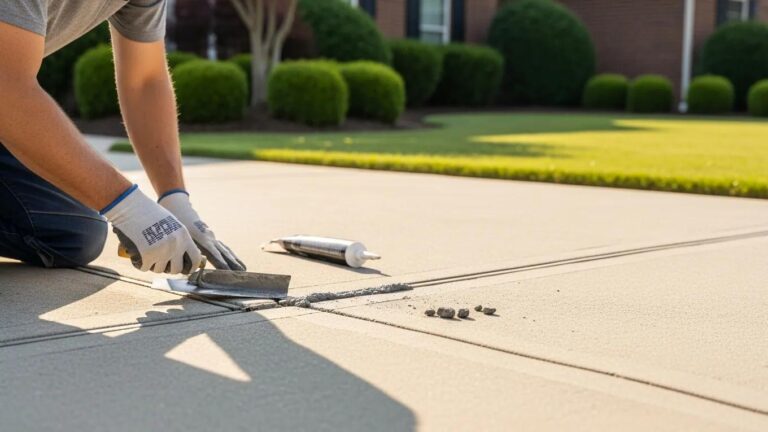
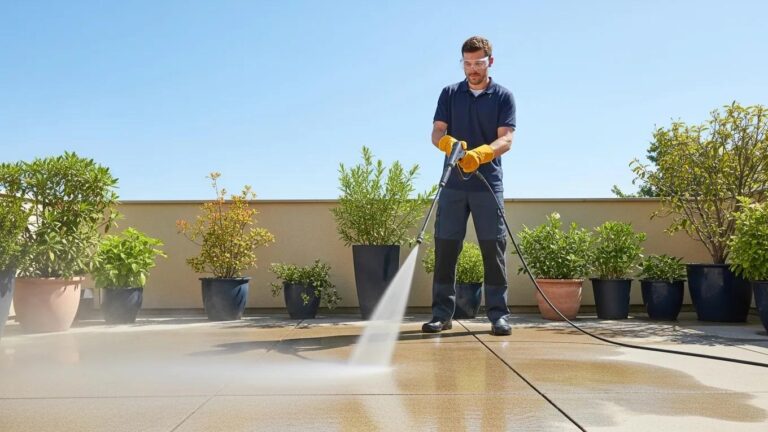
The affected area should be thoroughly cleaned before any filler or sealant is applied. A wire brush can help remove loose debris from narrow cracks, while larger cracks may benefit from pressure washing. Allowing the area to dry completely afterward helps ensure better adhesion and a more durable repair.
This preparation stage is often overlooked, but it can make the difference between a repair that lasts for years and one that begins to fail after a short period.
Choosing The Right Filling Method
The best filling material depends largely on the size and nature of the crack. Flexible joint sealants are commonly used for minor cracks because they can accommodate slight movement without breaking apart. For wider or deeper cracks, polymer-modified repair mortars may provide greater strength and stability.
When performing crack repair on paver hardscapes, it is also important to consider movement between individual units. Materials that remain somewhat flexible can help absorb normal expansion and contraction while maintaining the appearance of the surface.
Applying the filler carefully and ensuring it reaches the full depth of the crack helps create a stronger repair and reduces the likelihood of future deterioration.
Sealing And Protecting The Repair
Once the crack has been filled, applying a quality sealant can provide an additional layer of protection. Sealants help prevent water intrusion, reduce weather-related damage, and improve the overall longevity of the repair.
Moisture is one of the most common contributors to hardscape deterioration. By sealing repaired areas, homeowners can help minimize the effects of rain, freeze-thaw cycles, and other environmental factors that often lead to recurring damage.
Addressing The Root Cause Of Cracking
While filling and sealing are important steps, long-term success often depends on identifying why the crack developed in the first place. Poor drainage, unstable soil conditions, tree root growth, and excessive weight loads can all contribute to cracking in concrete and paver surfaces.
A comprehensive crack repair strategy should include correcting these underlying issues whenever possible. Improving drainage, stabilizing the base material, or redirecting water away from the hardscape can significantly reduce the risk of future problems.
By combining proper assessment, thorough preparation, effective repair materials, and preventative measures, homeowners can restore the appearance and performance of their hardscapes while extending their lifespan for years to come.
How Does Professional Crack Filling Restore Surface Integrity?
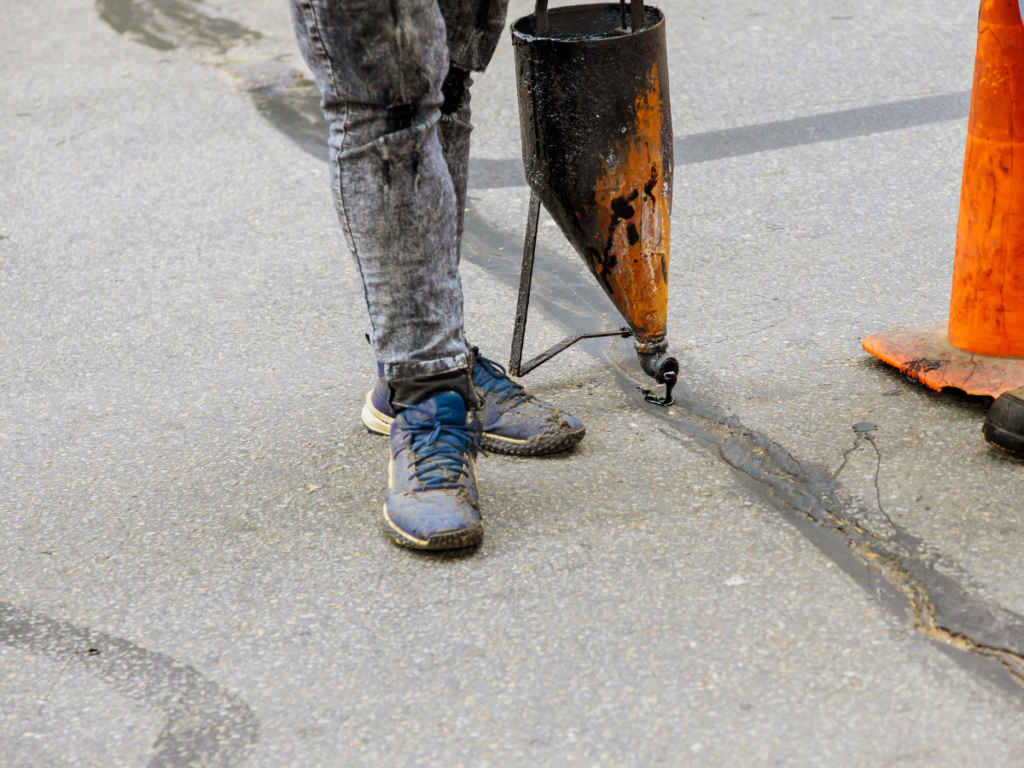
Professional crack filling is designed to do more than improve the appearance of damaged concrete or paver surfaces. The goal is to restore structural stability, prevent moisture intrusion, and stop minor defects from developing into larger and more expensive problems.
The process typically begins with a detailed inspection of the affected area. Experienced contractors evaluate the size, depth, and cause of the cracks to determine the most effective repair method.
This assessment is important because not all cracks are the same. Some result from normal settling, while others may indicate drainage issues, soil movement, or repeated stress on the surface.
Once the evaluation is complete, the damaged area is thoroughly cleaned. Removing dirt, loose material, weeds, and moisture helps ensure the repair product bonds properly to the surrounding surface. A clean repair area is one of the most important factors in achieving long-lasting results.
After preparation, a specialized filler is applied based on the type and severity of the damage. Professional-grade materials are selected to create a strong bond while accommodating natural expansion and contraction caused by temperature changes. This helps reduce the likelihood of the crack reopening in the future.
The final stage of professional crack repair involves proper curing and surface protection. Allowing the repair material to cure correctly strengthens the bond and improves durability.
Many contractors also apply a protective sealant, which helps shield the repaired area from water penetration, UV exposure, and everyday wear. Together, these steps restore the integrity of the surface while improving its long-term performance.
Benefits Of Repairing Cracks And Sealing Hardscapes
Addressing cracks early provides more than cosmetic benefits. Timely crack repair helps protect the overall condition of a hardscape and can significantly extend its lifespan.
One of the biggest advantages is moisture control. Even small cracks can allow water to seep beneath concrete slabs or pavers. Over time, this moisture can erode the base material, contribute to settling, and create additional cracking.
In colder climates, freeze-thaw cycles can make the damage even worse. Proper filling and sealing help block water intrusion before it causes more serious issues.
Another key benefit is improved durability. Cracks tend to grow when left untreated, especially in high-traffic areas such as driveways, patios, walkways, and pool decks.
Professional crack repair helps stabilize these surfaces and reduces the stress placed on surrounding materials. As a result, the hardscape remains stronger and more resistant to future damage.
Timely maintenance is also a cost-effective investment. Small repairs are generally far less expensive than replacing large sections of concrete or rebuilding a damaged paver installation. By addressing issues early, homeowners can avoid more extensive restoration work down the road.
Protecting The Appearance And Value Of Your Property
Cracks can quickly detract from the appearance of an otherwise attractive outdoor space. Whether on a driveway, patio, walkway, or retaining wall, visible damage often creates the impression of neglect. Professional crack repair restores a cleaner, more polished appearance while helping maintain property value.
Sealing repaired areas also contributes to a more uniform finish and protects the surface from stains, weathering, and discoloration. This combination of structural protection and visual improvement makes crack filling an important part of long-term hardscape maintenance.
By investing in professional crack repair and sealing, homeowners can preserve both the function and appearance of their outdoor surfaces. A proactive approach not only extends the life of the hardscape but also helps prevent minor issues from becoming major repair projects in the future.
What Are The Steps For Sealing And Resurfacing Outdoor Hardscapes?
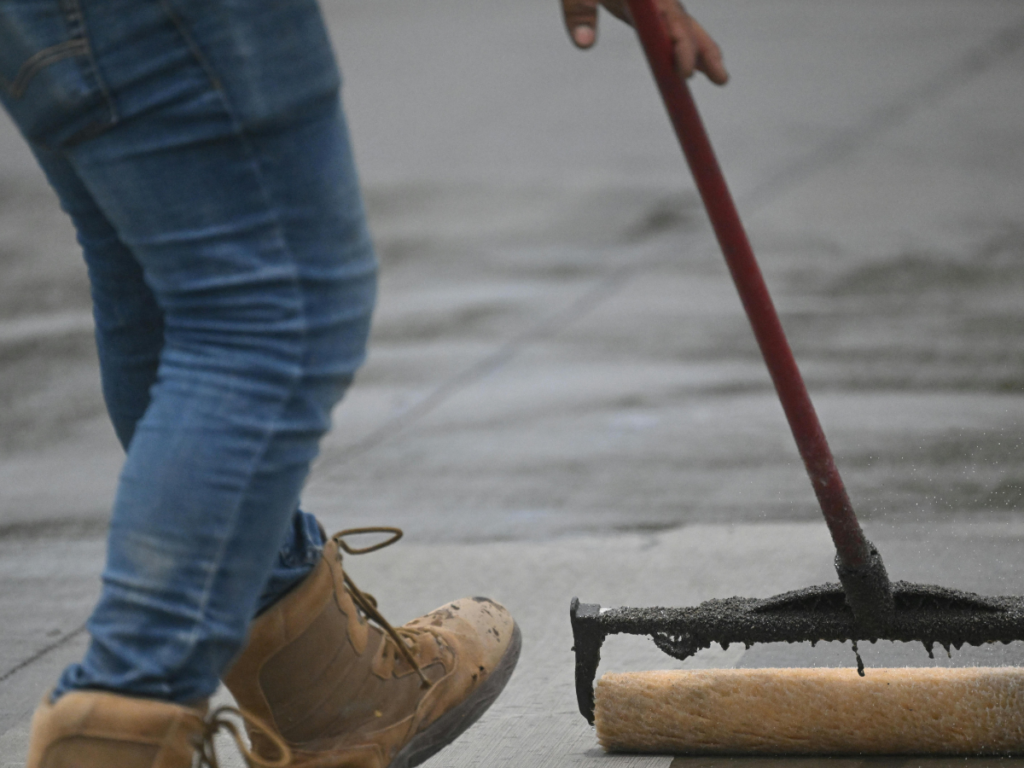
Sealing and resurfacing are important maintenance practices that help protect outdoor hardscapes from weather exposure, moisture damage, and everyday wear.
Whether you’re working with concrete, pavers, or other hardscape materials, a proper sealing process can extend the life of the surface and complement previous crack repair efforts.
Preparing The Surface For Sealing
The success of any sealing or resurfacing project begins with thorough preparation. Dirt, debris, weeds, stains, and remnants of old sealers can prevent new products from bonding properly to the surface.
Start by sweeping and washing the area to remove loose materials. For heavily soiled surfaces, pressure washing may be necessary to eliminate built-up grime and organic growth.
If any cracks are present, they should be addressed before sealing begins. Performing crack repair beforehand helps prevent water from becoming trapped beneath the sealer and allows the surface to maintain its structural integrity.
Once the surface is clean, allow it to dry completely. Applying sealer to damp concrete or pavers can reduce effectiveness and lead to uneven results.
Applying The Sealer Correctly
After the surface is prepared, the next step is applying a quality sealer designed for the specific hardscape material. The product should be distributed evenly to create consistent protection across the entire area.
Depending on the type of sealer, application may be completed using a roller, sprayer, or brush. The goal is to create a uniform coating without leaving puddles or missed sections.
Consistent coverage helps protect the surface from moisture infiltration, UV exposure, stains, and other environmental factors that contribute to deterioration over time.
For older hardscapes showing signs of wear, resurfacing products may be applied before sealing. Resurfacing can improve the appearance of faded or weathered concrete while helping to create a smoother, more uniform finish.
Allowing Proper Curing Time
Once the sealer has been applied, curing becomes a critical part of the process. The surface should remain free from foot traffic, vehicles, and other disturbances until the product has fully cured according to the manufacturer’s recommendations.
Proper curing allows the protective coating to bond effectively with the hardscape material. Rushing this step can reduce durability and may require additional maintenance sooner than expected.
Weather conditions should also be considered, as excessive humidity or unexpected rain can interfere with the curing process.
How Sealing Supports Long-Term Crack Repair
One of the most valuable benefits of sealing is its ability to protect previous repairs. Water is often the primary cause of recurring damage in outdoor hardscapes. When moisture penetrates small openings, it can weaken the base material, contribute to erosion, and cause cracks to expand over time.
By creating a protective barrier, sealers help reduce water intrusion and preserve completed crack repair work. This added protection can minimize future maintenance needs and help homeowners get more value from their repair investment.
Maintaining Appearance And Performance
Beyond protection, sealing also enhances the overall appearance of outdoor spaces. Many sealers bring out the natural color of concrete and pavers while creating a cleaner, more finished look. Regular maintenance helps patios, walkways, driveways, and other hardscape features retain their visual appeal year after year.
When combined with routine inspections and timely crack repair, sealing and resurfacing provide a practical way to extend the lifespan of outdoor surfaces. A proactive maintenance plan not only preserves appearance but also helps prevent minor issues from developing into costly structural repairs in the future.
Which Materials Ensure Long-Lasting Concrete Crack and Paver Joint Repairs?
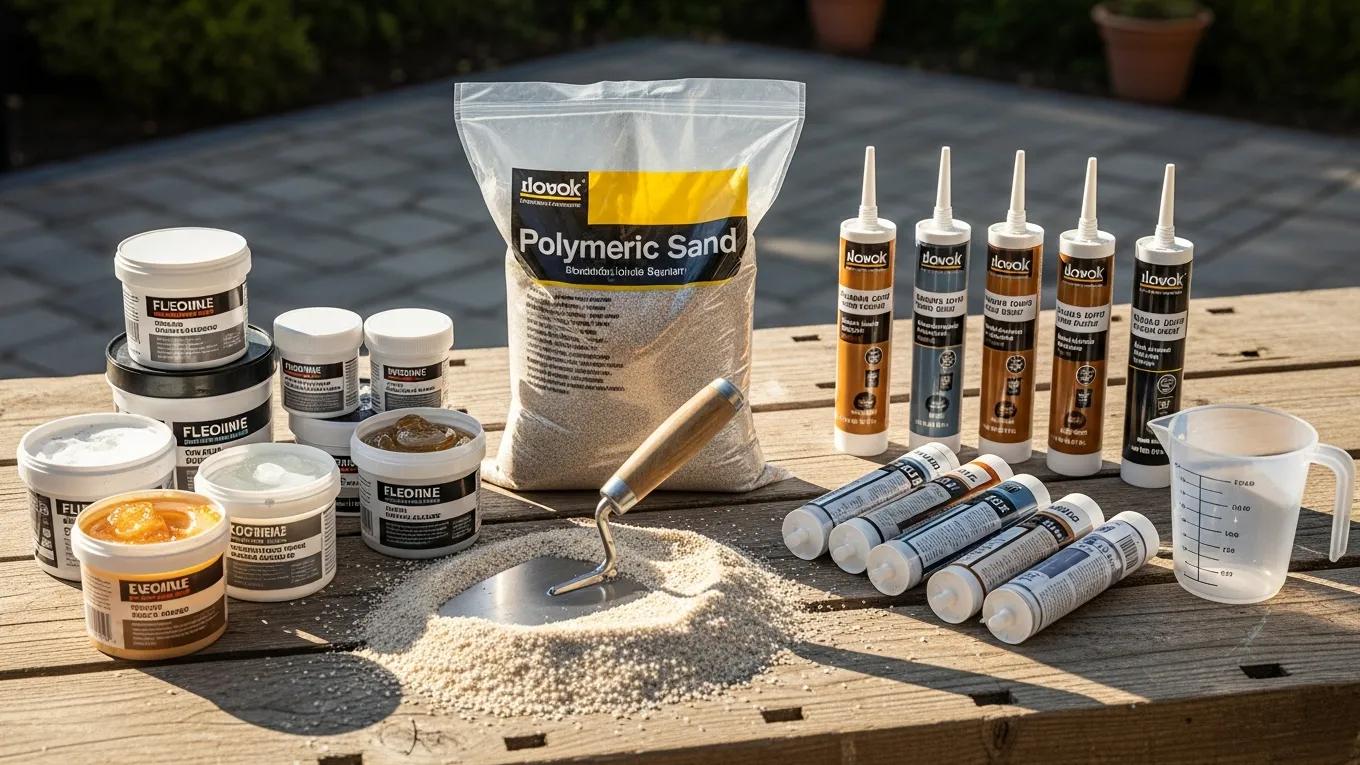
The success of any crack repair project depends heavily on the materials used. While proper preparation and application are important, selecting a repair product that matches the type of damage and the conditions of the surface is often what determines how long the repair will last.
Modern repair materials are designed to address a wide range of issues, from small cosmetic cracks to larger structural gaps exposed to heavy traffic and changing weather conditions.
Advances in construction technology have also introduced high-performance products that provide greater durability, flexibility, and resistance to moisture than traditional repair materials.
Research continues to support the use of advanced repair compounds, particularly polyurethane-based products, which have demonstrated strong adhesion and long-term performance in pavement and concrete repair applications.
Understanding The Different Types Of Crack Fillers
Not all fillers serve the same purpose. The best material depends on the size of the crack, the amount of movement expected, and the type of surface being repaired.
Flexible joint sealants are often used for minor cracks and expansion joints because they can move with the surface as temperatures fluctuate. This flexibility helps reduce the risk of the repair failing due to normal expansion and contraction.
For wider cracks or areas exposed to heavier loads, epoxy fillers are frequently recommended. These products create a strong bond with concrete and provide excellent structural support, making them a popular choice for more demanding crack repair projects.
Polyurethane-based materials offer another effective option. They combine strong adhesion with flexibility, allowing them to perform well in environments where moisture, movement, and weather exposure are ongoing concerns.
What Are The Benefits Of Epoxy And Polyurethane Crack Fillers?
Epoxy and polyurethane fillers have become industry favorites because they address several common causes of repair failure. One major advantage is durability. These materials are engineered to withstand stress, traffic, and environmental exposure without breaking down quickly.
This makes them particularly effective for driveways, patios, walkways, and other hardscape surfaces that experience regular use. Moisture resistance is another important benefit. Water intrusion is one of the leading causes of concrete deterioration.
Polyurethane products, in particular, have been widely used in applications where preventing leaks and reducing permeability is critical. By creating a strong barrier against moisture, these materials help protect repaired surfaces from future damage.
Ease of application also contributes to their popularity. Many modern crack repair products are designed to be applied efficiently while still delivering professional-quality results when used correctly.
Why Polymeric Sand Matters For Paver Joint Repairs
When repairing paver hardscapes, the joints between the pavers are just as important as the pavers themselves. Polymeric sand is one of the most effective materials for maintaining stable and attractive paver installations.
Unlike traditional sand, polymeric sand hardens when activated with water. This helps lock pavers in place while reducing movement that can lead to shifting, uneven surfaces, and recurring joint problems.
The material also helps discourage weed growth and insect activity between pavers, improving both appearance and functionality. As part of a comprehensive crack repair and maintenance strategy, polymeric sand can significantly extend the life of a paver installation.
How Fillers Improve Long-Term Joint Performance
Joint fillers do more than fill empty spaces. They help stabilize the hardscape, manage moisture, and protect against erosion caused by rain, traffic, and seasonal weather changes.
Properly selected fillers reduce the likelihood of joint washout and help maintain the structural integrity of the surrounding surface. This is particularly important in areas exposed to frequent rainfall or temperature fluctuations.
Ultimately, successful crack repair relies on matching the right material to the specific problem. Whether using flexible sealants, epoxy compounds, polyurethane products, or polymeric sand, investing in high-quality materials helps ensure stronger repairs, improved durability, and longer-lasting hardscape performance.
How Can Homeowners Maintain Outdoor Hardscapes to Prevent Future Cracks?
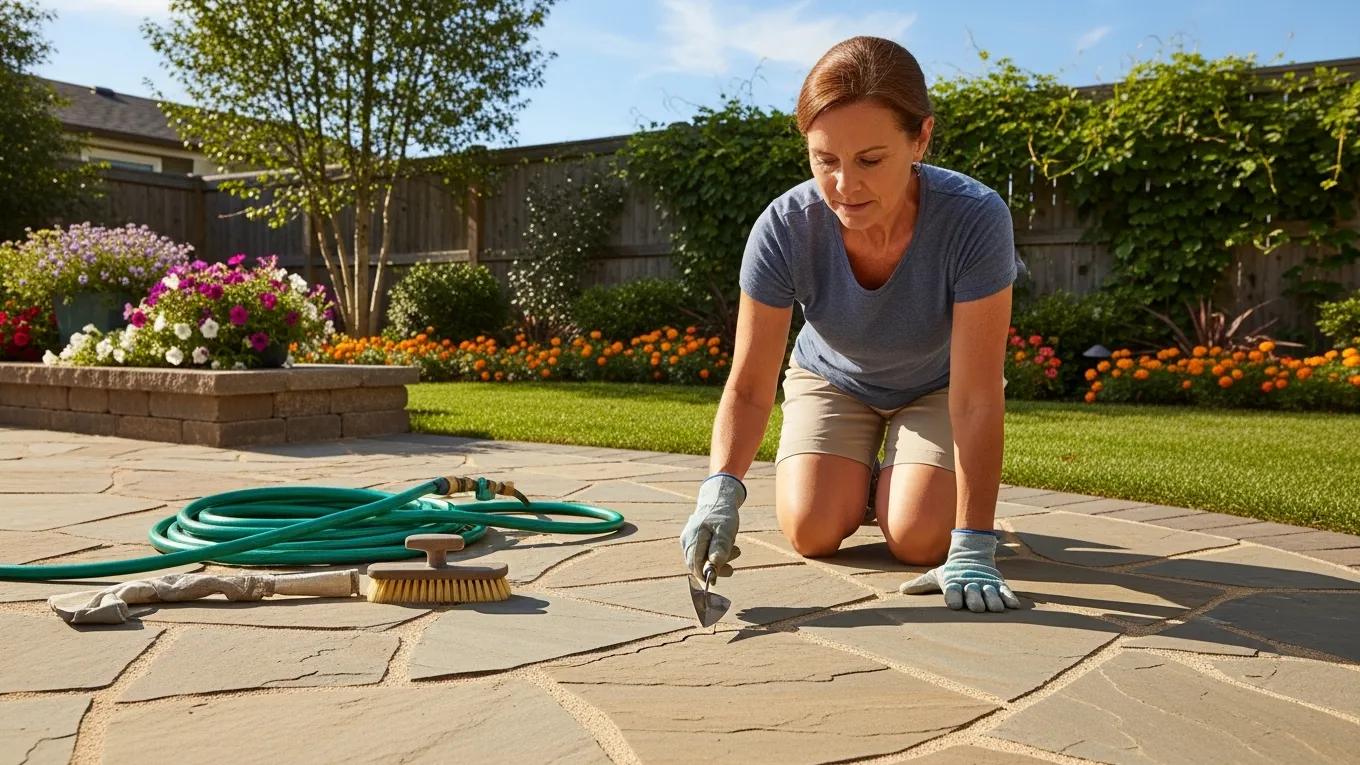
Preventing cracks is often much easier and less expensive than repairing them after they appear. While even well-built hardscapes experience natural wear over time, consistent maintenance can significantly reduce the risk of damage and extend the life of patios, walkways, driveways, and other outdoor surfaces.
One of the most effective ways to protect hardscapes is through regular inspections. Checking surfaces at least twice a year allows homeowners to identify small issues before they become larger problems.
Hairline cracks, loose pavers, drainage concerns, or areas of shifting can often be addressed quickly when caught early. Timely crack repair is equally important. Small cracks may seem harmless at first, but they can allow moisture to penetrate beneath the surface.
Over time, water infiltration can weaken the base material, contribute to erosion, and lead to more extensive structural damage. Addressing issues as soon as they are noticed helps preserve both the appearance and stability of the hardscape.
Seasonal maintenance also plays an important role. Removing leaves, dirt, and debris prevents moisture from accumulating on the surface and reduces the likelihood of staining or deterioration. Applying protective sealants as recommended can further shield hardscapes from weather exposure and water intrusion.
What Routine Maintenance Practices Extend Hardscape Durability?
A proactive maintenance routine helps keep outdoor hardscapes looking their best while reducing the need for major repairs. Regular cleaning is one of the simplest yet most effective practices homeowners can adopt.
Dirt, organic matter, and debris can trap moisture against concrete and paver surfaces. Over time, this moisture may contribute to cracking, discoloration, or surface deterioration. Sweeping regularly and occasionally washing the hardscape helps maintain a cleaner and healthier surface environment.
Weed control is another important consideration, especially for paver installations. Weeds growing between joints can gradually displace joint material and create movement within the hardscape. Keeping joints clear and replenishing joint sand when necessary helps maintain stability and reduces the risk of future damage.
Monitoring drainage conditions is also essential. Poor drainage often contributes to cracking by allowing water to collect around or beneath hardscape surfaces. Ensuring water flows away from patios, walkways, and driveways can help protect the base material and reduce stress on the structure.
Why Sealants Play A Key Role In Crack Prevention
Sealants serve as a protective barrier against many of the factors that contribute to hardscape deterioration. They help limit water penetration, reduce UV damage, and protect surfaces from stains and weather-related wear.
However, sealants do not last forever. Depending on the product used and the amount of exposure the surface receives, resealing may be necessary every few years. Regular reapplication helps maintain protection and supports previous crack repair work by preventing moisture from reaching vulnerable areas.
When combined with routine cleaning and inspections, sealing can significantly improve the longevity of outdoor hardscapes.
When Professional Maintenance Makes Sense
While many maintenance tasks can be handled by homeowners, professional evaluations can provide valuable insight into issues that may not be immediately visible. Experienced contractors can identify early signs of settling, drainage problems, joint failure, or structural concerns before they become costly repairs.
Periodic professional maintenance can also include specialized cleaning, resealing, and preventative crack repair services that help preserve the integrity of the hardscape over time.
Protecting Your Investment For The Long Term
Outdoor hardscapes represent a significant investment in both property value and curb appeal. A consistent maintenance plan that includes inspections, cleaning, sealing, and timely crack repair can help prevent minor problems from escalating into major restoration projects.
By taking a proactive approach, homeowners can extend the lifespan of their hardscapes, maintain their appearance, and reduce long-term maintenance costs while enjoying durable and attractive outdoor spaces for years to come.
When Should Driveway Crack Sealing Be Scheduled for Optimal Results?
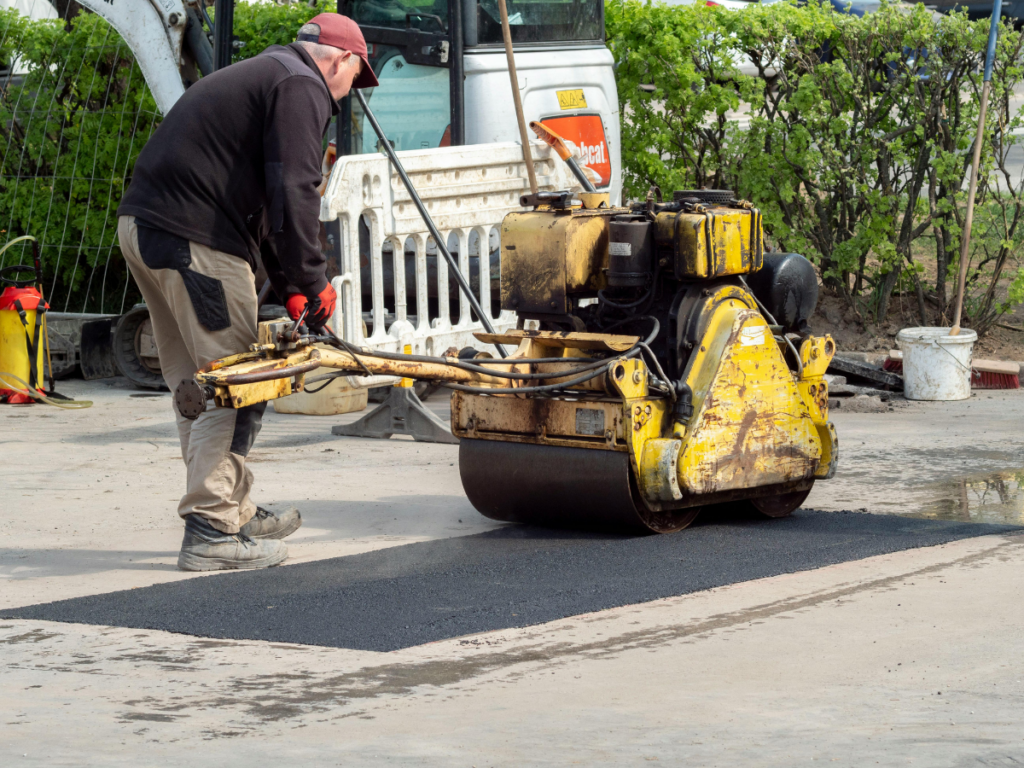
Timing plays a major role in the success of any crack repair project. Even the best sealants and repair materials can underperform if they are applied under the wrong conditions. By choosing the right season and monitoring weather patterns, homeowners can improve the durability and effectiveness of their repairs.
In most cases, mild temperatures and dry conditions provide the ideal environment for crack sealing. When temperatures are too cold, sealants may not cure properly.
Excessive heat can also affect how materials bond to the surface. Spring and fall are often considered the best times for driveway maintenance because they typically offer moderate weather and lower humidity levels.
Regular inspections throughout the year can help homeowners identify the right time to schedule crack repair before minor issues become larger structural concerns.
Why Seasonal Inspections Matter
Weather is one of the leading causes of driveway deterioration. Freeze-thaw cycles, heavy rainfall, prolonged sun exposure, and shifting soil can all contribute to the formation and expansion of cracks.
After winter, it is a good idea to inspect the driveway for new damage caused by freezing temperatures and moisture intrusion. Small cracks that developed during colder months may seem minor, but they can quickly widen if left untreated.
Similarly, checking the driveway after periods of heavy rain can reveal drainage-related problems that may be contributing to surface deterioration. Addressing these issues early allows homeowners to complete crack repair before additional damage occurs.
What Weather Conditions Are Best for Crack Sealing?
Successful crack sealing depends heavily on surface conditions. For the best results, the driveway should be completely dry before any repair materials are applied. Moisture trapped inside a crack can interfere with adhesion and reduce the lifespan of the repair.
Most manufacturers recommend applying sealants during periods of stable weather with no rain expected for at least 24 to 48 hours. Moderate temperatures also allow repair products to cure properly and create a stronger bond with the surrounding material.
Before beginning any crack repair project, it is important to review the product specifications and follow the manufacturer’s recommendations regarding temperature ranges and curing times.
How Proper Timing Improves Long-Term Results
Scheduling maintenance at the right time does more than improve the immediate appearance of a driveway. Properly timed crack sealing helps prevent water infiltration, which is one of the primary causes of pavement deterioration.
When cracks are sealed before they expand, homeowners can often avoid more extensive repairs in the future. Water that enters unsealed cracks can erode the base material beneath the driveway, leading to settlement, larger cracks, and surface failures.
Routine inspections and timely crack repair help preserve structural integrity while extending the lifespan of the driveway.
Creating A Preventative Maintenance Schedule
Rather than waiting for visible damage to become severe, many homeowners benefit from establishing a preventative maintenance routine. Inspecting the driveway in the spring and fall provides an opportunity to identify developing issues and address them before they worsen.
Combining seasonal inspections with professional evaluations when needed can help ensure that repairs are completed at the most effective time. This proactive approach not only improves the performance of crack repair efforts but also helps maintain the appearance, safety, and value of the property over the long term.
Why Choose Atlanta Hardscape Kings for Expert Concrete and Paver Crack Repair Services?
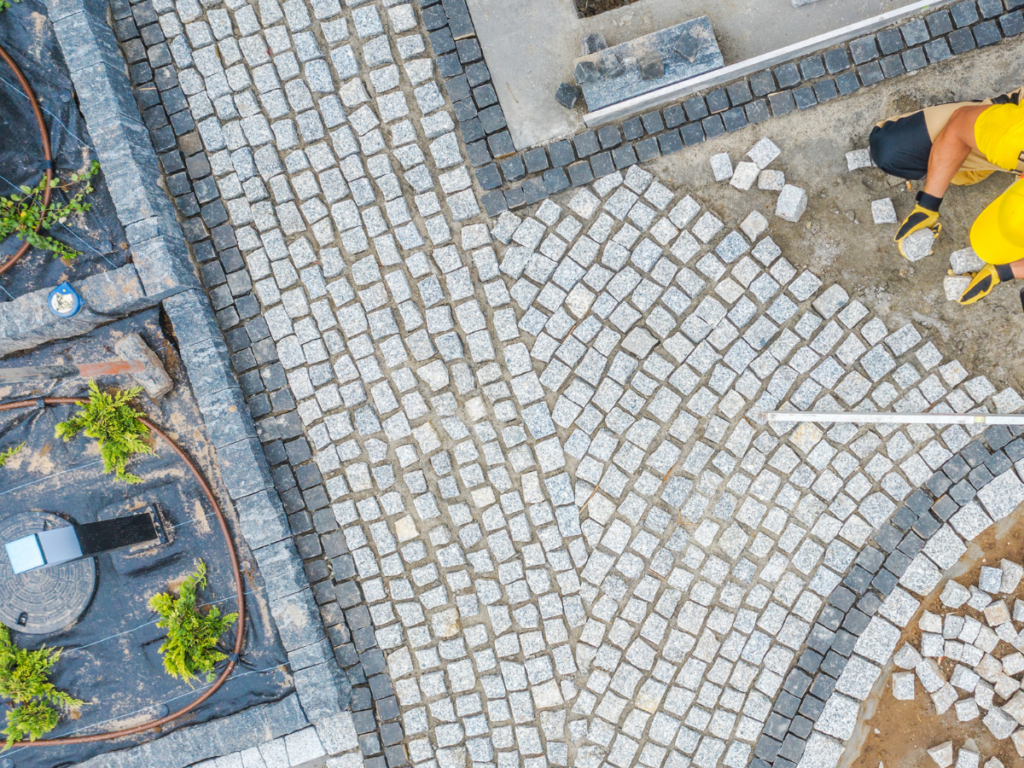
When it comes to restoring damaged outdoor surfaces, experience and attention to detail make a significant difference. Atlanta Hardscape Kings specializes in repairing and maintaining concrete and paver hardscapes throughout the Atlanta area, helping homeowners address issues before they lead to more extensive damage.
Whether a surface has developed minor fractures or requires more involved crack repair work, their team focuses on solutions designed to improve both appearance and long-term performance.
Years of hands-on experience have given them a strong understanding of how local weather conditions, drainage issues, and soil movement affect hardscape surfaces.
This knowledge allows them to identify the root cause of cracking rather than simply treating the visible symptoms. As a result, homeowners receive repairs that are intended to last, not just temporary fixes.
How Does Their Repair Process Prioritize Long-Term Results?
Not all hardscape damage is the same, which is why Atlanta Hardscape Kings takes a customized approach to every project.
Before beginning any crack repair work, the team performs a thorough assessment of the affected area. This evaluation helps determine the severity of the damage, identify contributing factors, and recommend the most effective repair method.
Material selection is a key part of this process. Different types of cracks require different repair products, and using the wrong material can lead to premature failure. By matching repair solutions to the specific conditions of the surface, the team is able to create stronger, more durable repairs.
Beyond repairing existing damage, they also look for underlying issues such as drainage concerns, shifting soil, or joint deterioration that may contribute to future cracking. Addressing these factors helps protect the investment and reduces the likelihood of recurring problems.
What Sets Their Quality Standards Apart?
A successful crack repair project requires more than simply filling a gap in the surface. Proper preparation, application techniques, and finishing work all contribute to the final outcome.
Atlanta Hardscape Kings follows a detailed process that focuses on precision at every stage. Each repair begins with careful cleaning and preparation to ensure optimal adhesion between the repair material and the existing surface.
The repair is then completed using products selected for durability, flexibility, and resistance to weather-related wear. Once the work is complete, the repaired area is evaluated to ensure it blends naturally with the surrounding hardscape whenever possible.
This commitment to quality helps homeowners achieve repairs that not only improve structural integrity but also preserve the overall appearance of patios, driveways, walkways, and other outdoor spaces.
What Do Past Projects Reveal About Their Expertise?
One of the strongest indicators of a contractor’s capabilities is the quality of their completed work. Atlanta Hardscape Kings has successfully handled a wide range of hardscape restoration projects, from small residential crack repair jobs to larger repairs involving extensive concrete and paver surfaces.
Many homeowners report noticeable improvements in both the appearance and functionality of their outdoor spaces after repairs are completed. Cracks that once allowed water intrusion, created tripping hazards, or detracted from curb appeal are restored in a way that helps protect the surface for years to come.
Customer feedback often highlights the team’s professionalism, clear communication, and attention to detail throughout the repair process. These experiences demonstrate the value of working with professionals who understand the complexities of hardscape maintenance and restoration.
A Trusted Choice for Hardscape Restoration
Choosing the right contractor can have a significant impact on the success of any crack repair project. Atlanta Hardscape Kings combines industry knowledge, quality materials, and a personalized approach to deliver repairs that address both immediate concerns and long-term performance.
For homeowners looking to protect and restore their concrete or paver surfaces, partnering with experienced professionals can help ensure lasting results and greater peace of mind.
Conclusion
Addressing concrete cracks and deteriorating paver joints early can help preserve the appearance, safety, and longevity of your outdoor hardscapes.
Proper repairs not only restore the look of patios, walkways, driveways, and retaining walls but also help prevent moisture intrusion, weed growth, and more extensive damage over time.
Whether you need minor repairs or comprehensive hardscape restoration, working with experienced professionals can ensure lasting results.
For expert hardscape maintenance and repair services, choose Atlanta Hardscape Kings. Ready to restore and protect your outdoor surfaces? Call (470) 665-5283 or fill out the website form to get your free estimate today.