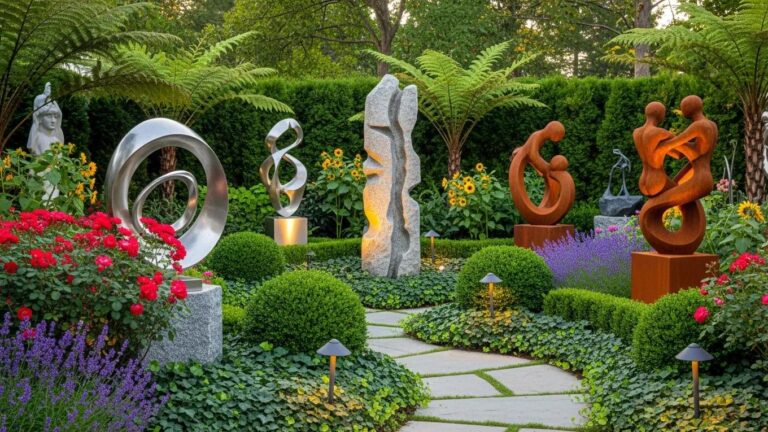
Outdoor art has the power to transform a landscape from attractive to unforgettable. Whether it’s a sculpture, water feature, decorative wall piece, or handcrafted focal point, the right artwork adds personality, creates visual interest, and gives your outdoor space a unique sense of character.
The key is choosing and placing each piece with intention. Outdoor art installation tips focus on balancing aesthetics with practicality.
Factors such as scale, placement, materials, lighting, and the surrounding landscape all influence how well an installation complements its environment. Proper installation also helps protect artwork from weather, movement, and long-term wear.
This guide explores practical ways to incorporate outdoor art into your landscape, helping you create a space that feels cohesive, inviting, and visually striking for years to come.
Outdoor Art Installation Ideas for Patios and Gardens
Choosing Outdoor Art That Complements Your Hardscape
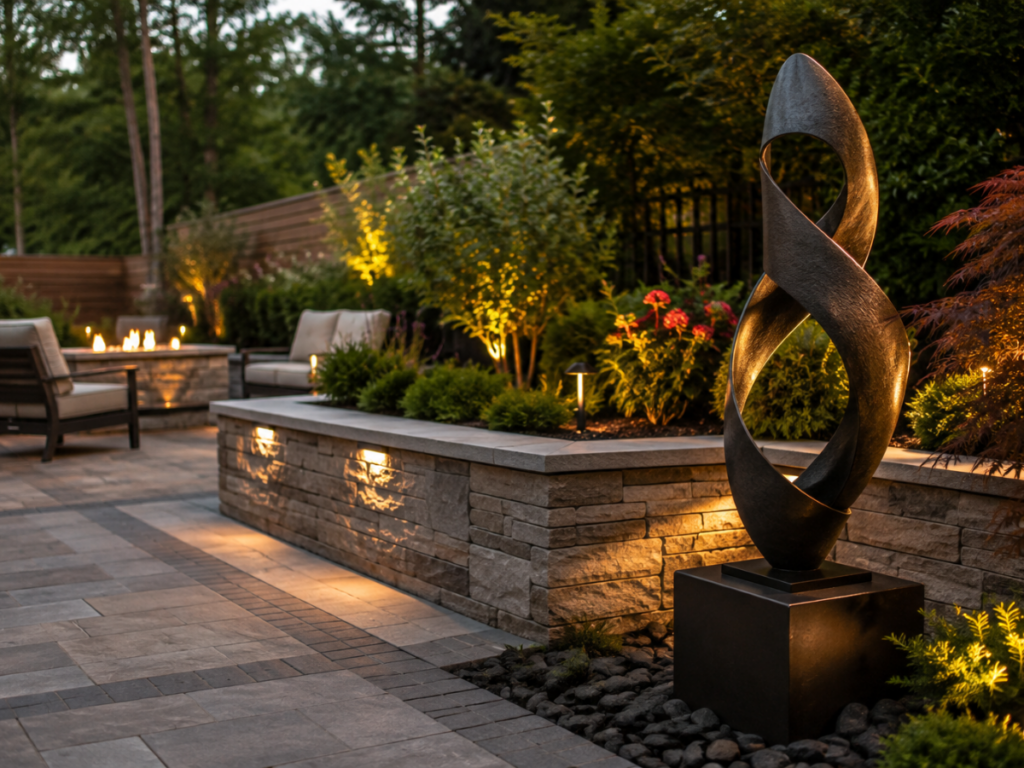
The most successful outdoor art installation feels like it belongs in the landscape rather than being added as an afterthought.
Whether you’re displaying a contemporary sculpture, a handcrafted stone feature, or a decorative metal piece, the goal is to create a focal point that enhances your hardscape while reflecting your personal style.
Before selecting a piece, consider how it will interact with your patio, retaining walls, walkways, or garden beds. The size, material, color, and placement should work together with the surrounding landscape to create a balanced, cohesive design.
It’s also important to choose materials that can withstand your local climate, ensuring your investment remains attractive for years to come.
Choose Sculptures and Garden Art That Match Your Landscape Style
Not every piece of outdoor art suits every setting. The best choice depends on your home’s architecture, the scale of the outdoor space, and the materials already present in your landscape.
For example:
- Modern homes often pair well with clean-lined metal sculptures, geometric artwork, or minimalist water features.
- Traditional landscapes typically complement classic stone statues, decorative urns, or cast concrete pieces.
- Rustic or natural gardens benefit from weathered steel, reclaimed wood, boulders, or handcrafted sculptures that blend with surrounding plants.
Scale is just as important as style. A large sculpture can anchor an expansive patio or open lawn, while smaller decorative pieces are better suited for intimate garden beds, pathways, or courtyard spaces. As a general rule, artwork should enhance the surrounding landscape without overwhelming it or competing with nearby focal points.
When planning an outdoor art installation, view the artwork from multiple angles, including inside your home. A sculpture that looks impressive from the patio may also become a beautiful focal point when viewed through a window or from an outdoor seating area.
Consider How Local Climate Affects Outdoor Art Materials
Outdoor artwork is exposed to sun, rain, wind, temperature changes, and moisture throughout the year, making material selection just as important as appearance.
When choosing outdoor art, consider how different materials perform over time:
| Material | Best For | Maintenance |
|---|---|---|
| Stainless steel | Contemporary landscapes | Low maintenance and corrosion resistant |
| Bronze | Classic and timeless designs | Develops a natural protective patina over time |
| Natural stone | Traditional gardens and retaining walls | Extremely durable with minimal upkeep |
| Powder-coated metal | Modern decorative pieces | Resists rust and fading when properly finished |
| Treated hardwood | Rustic landscapes | Requires periodic sealing or refinishing |
In humid climates, corrosion-resistant metals and natural stone generally perform better than untreated steel or soft woods. Areas with intense sunlight benefit from UV-resistant finishes that help prevent fading and surface deterioration.
If your region experiences freezing temperatures, ensure sculptures and decorative features are designed to withstand freeze-thaw cycles without cracking.
Place Outdoor Art Where It Creates the Greatest Visual Impact
Choosing the right artwork is only part of the process. Placement plays an equally important role in a successful outdoor art installation.
Think about how people move through your landscape and where their attention naturally falls. A dramatic sculpture can serve as the centerpiece of a front entry, while smaller artistic accents work well along garden paths, beside water features, or within planting beds.
Position artwork where it can be appreciated from multiple viewpoints without blocking walkways or competing with other focal points.
Landscape lighting can further enhance outdoor art after sunset. Uplighting, pathway lights, or subtle spotlights highlight texture, create interesting shadows, and extend the visual appeal of sculptures well into the evening.
By selecting artwork that complements your hardscape materials, suits your home’s architectural style, and withstands local weather conditions, you can create an outdoor art installation that feels intentional, enhances your landscape design, and provides lasting beauty for years to come.
Best Practices for Placing Outdoor Art in Your Hardscape
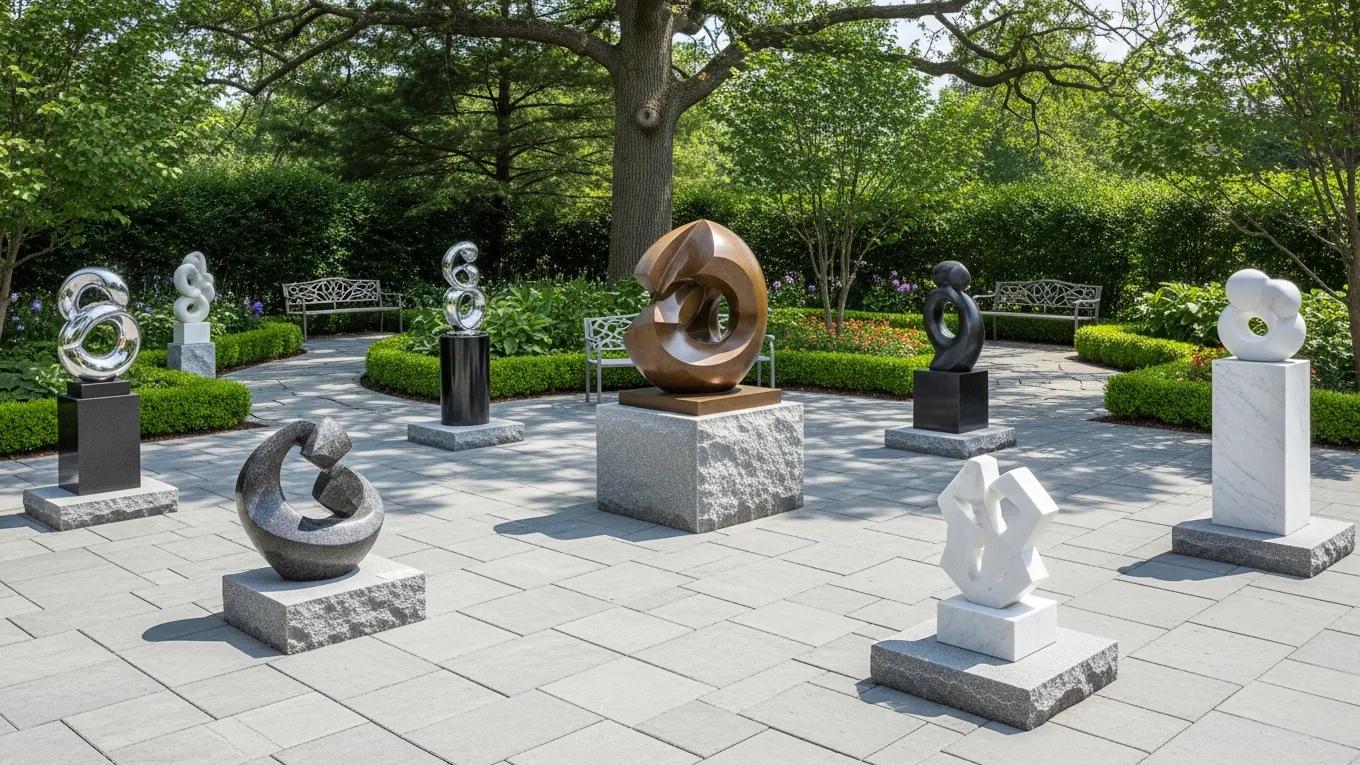
A beautiful sculpture can lose much of its impact if it’s placed in the wrong location. Successful outdoor art installation is about more than selecting the right piece. Placement determines how artwork is viewed, how it interacts with the surrounding landscape, and how well it holds up over time.
The best installations feel intentional. They guide the eye through the landscape, complement nearby hardscape features, and create memorable focal points without overwhelming the space.
Before installing any sculpture or decorative feature, consider visibility, scale, sunlight, foot traffic, and the stability of the surface beneath it.
Position Sculptures for Safety, Stability, and Visual Balance
Every outdoor sculpture should rest on a stable foundation that can support its weight and withstand changing weather conditions. Placing artwork on uneven soil or loose gravel can lead to shifting, tilting, or damage over time, particularly after heavy rain or seasonal ground movement.
For permanent pieces, consider installing sculptures on:
- Concrete pads or footings.
- Stone or masonry pedestals.
- Reinforced patios or paved surfaces.
- Stable retaining walls designed to support decorative features.
Beyond structural stability, think about visual balance. Larger sculptures work best when surrounded by enough open space to appreciate their form, while smaller pieces often have greater impact when nestled within planting beds or framed by low-growing shrubs.
Height also influences how artwork is experienced. Raising a sculpture on a pedestal can improve visibility from multiple viewpoints, while ground-level installations often create a more natural connection with surrounding plants and landscape materials.
Create Natural Focal Points Throughout the Landscape
One of the most effective principles of outdoor art installation is placing artwork where it naturally draws attention without competing with other design elements.
Some of the best locations include:
- At the end of a garden path to encourage movement through the landscape.
- Near patios or outdoor seating areas where the artwork can be enjoyed up close.
- Adjacent to water features, where reflections add visual interest.
- Within large planting beds to provide year-round structure, even when flowers are not blooming.
- At the entrance to the property as a welcoming focal point.
Avoid placing sculptures where they obstruct walkways, interfere with outdoor entertaining areas, or become hidden behind mature landscaping. Before making a permanent installation, temporarily position the artwork and view it from several locations, including inside your home, to ensure it enhances the overall landscape.
Balance Artwork With Plants and Hardscape Features
The most attractive outdoor spaces treat sculptures as part of the overall landscape rather than standalone decorations. Hardscape materials, plantings, lighting, and artwork should all work together to create a cohesive design.
For example:
- Contemporary metal sculptures pair well with clean-lined patios, architectural plantings, and modern retaining walls.
- Natural stone artwork complements boulders, gravel pathways, and native gardens.
- Rustic wood or weathered steel pieces blend beautifully into woodland landscapes and informal garden settings.
Surrounding plants can soften hard edges while helping frame the artwork without obscuring it. Ornamental grasses, evergreen shrubs, and flowering perennials often create an attractive backdrop that changes throughout the seasons, giving the installation new visual interest year-round.
Landscape lighting is another important consideration. Strategically placed uplights or spotlights can highlight texture, create dramatic shadows, and make sculptures a focal point long after sunset.
When thoughtfully positioned, outdoor artwork becomes more than decoration. It adds character, creates visual destinations throughout the landscape, and strengthens the connection between your home’s architecture and its surrounding outdoor spaces.
Careful planning during the outdoor art installation process ensures every piece contributes to a landscape that feels balanced, inviting, and professionally designed.
Choosing Durable Materials and Secure Bases for Outdoor Art Installation
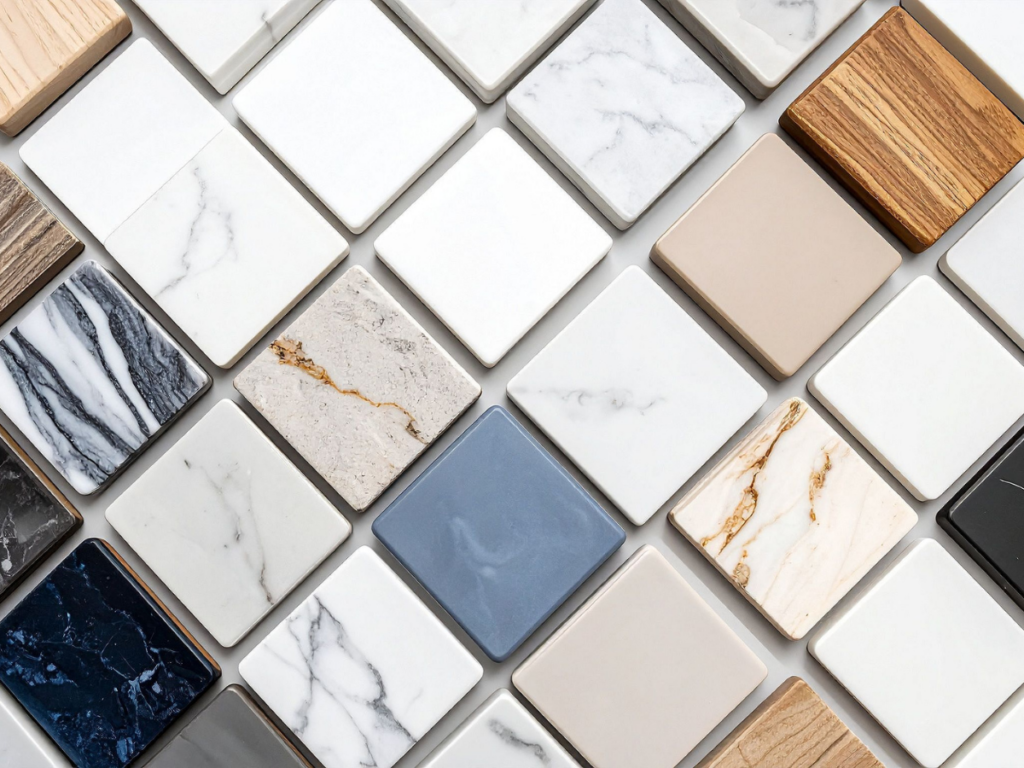
A successful outdoor art installation depends on more than selecting a beautiful sculpture. The materials beneath and around the artwork play an equally important role in ensuring it remains safe, stable, and visually appealing for years to come.
The right base protects artwork from shifting, weather damage, and accidental movement while helping it integrate naturally into the surrounding hardscape.
Whether you’re installing a large statement sculpture or a smaller decorative feature, choosing durable materials and proper anchoring methods is essential for both appearance and long-term performance.
Select a Sculpture Base That Matches the Artwork and Landscape
The ideal base depends on the size, weight, and style of the artwork, as well as the surrounding landscape design. A well-chosen foundation provides structural support without drawing attention away from the sculpture itself.
Common options include:
| Base Material | Best For | Benefits |
|---|---|---|
| Concrete | Large or heavy sculptures | Exceptional stability and long-term durability |
| Natural stone | Traditional and garden landscapes | Blends seamlessly with natural surroundings |
| Masonry or brick | Formal patios and courtyards | Complements existing hardscape materials |
| Steel pedestal | Contemporary artwork | Creates a clean, modern presentation |
| Treated hardwood | Rustic gardens | Adds warmth and natural character when properly maintained |
When selecting a base, consider both function and aesthetics. A contemporary metal sculpture may look best on a sleek concrete or steel pedestal, while a carved stone piece often feels more natural on a matching stone foundation surrounded by landscaping.
It’s also important to size the base appropriately. Oversized pedestals can overwhelm smaller artwork, while bases that are too small may appear unstable or visually unbalanced.
Choose Materials Designed for Long-Term Outdoor Exposure
Outdoor sculptures face constant exposure to sunlight, rain, temperature fluctuations, and moisture. Selecting weather-resistant materials helps reduce maintenance while preserving the appearance of both the artwork and its foundation.
For long-lasting outdoor art installation, look for materials that offer:
- Resistance to moisture and freeze-thaw cycles.
- Protection against corrosion and rust.
- UV-resistant finishes that reduce fading.
- Structural strength capable of supporting the artwork’s weight.
- Low maintenance requirements for long-term durability.
If your landscape experiences heavy rainfall or poor drainage, ensure the base allows water to drain away rather than pooling around the sculpture. Proper drainage helps prevent erosion, staining, and shifting over time.
Secure Outdoor Art Safely on Hardscape Surfaces
Even smaller sculptures can become unstable when exposed to strong winds, accidental impacts, or seasonal ground movement. Proper installation protects both the artwork and the people enjoying the landscape.
The most appropriate anchoring method depends on the sculpture’s size and weight:
- Large sculptures often require concrete footings, anchor bolts, or concealed mounting hardware.
- Medium-sized pieces may be secured with masonry anchors or integrated mounting plates attached to patios or retaining walls.
- Smaller decorative artwork can sometimes be safely installed using weighted bases or manufacturer-approved mounting systems.
Avoid placing sculptures directly on loose gravel, uneven soil, or unstable pavers without additional support. These surfaces may shift over time, increasing the risk of tilting or damage.
If the artwork has significant value or unusual weight, professional installation is often the safest option. Experienced installers can evaluate load requirements, foundation stability, and drainage conditions while ensuring the sculpture is securely anchored without detracting from its appearance.
A thoughtfully planned outdoor art installation combines durable materials, stable foundations, and proper anchoring techniques to create a feature that remains both beautiful and secure.
By selecting weather-resistant bases and matching installation methods to the size and style of the artwork, you can protect your investment while creating a lasting focal point within your hardscape design.
Protecting Outdoor Art From Weather and Preserving Its Beauty
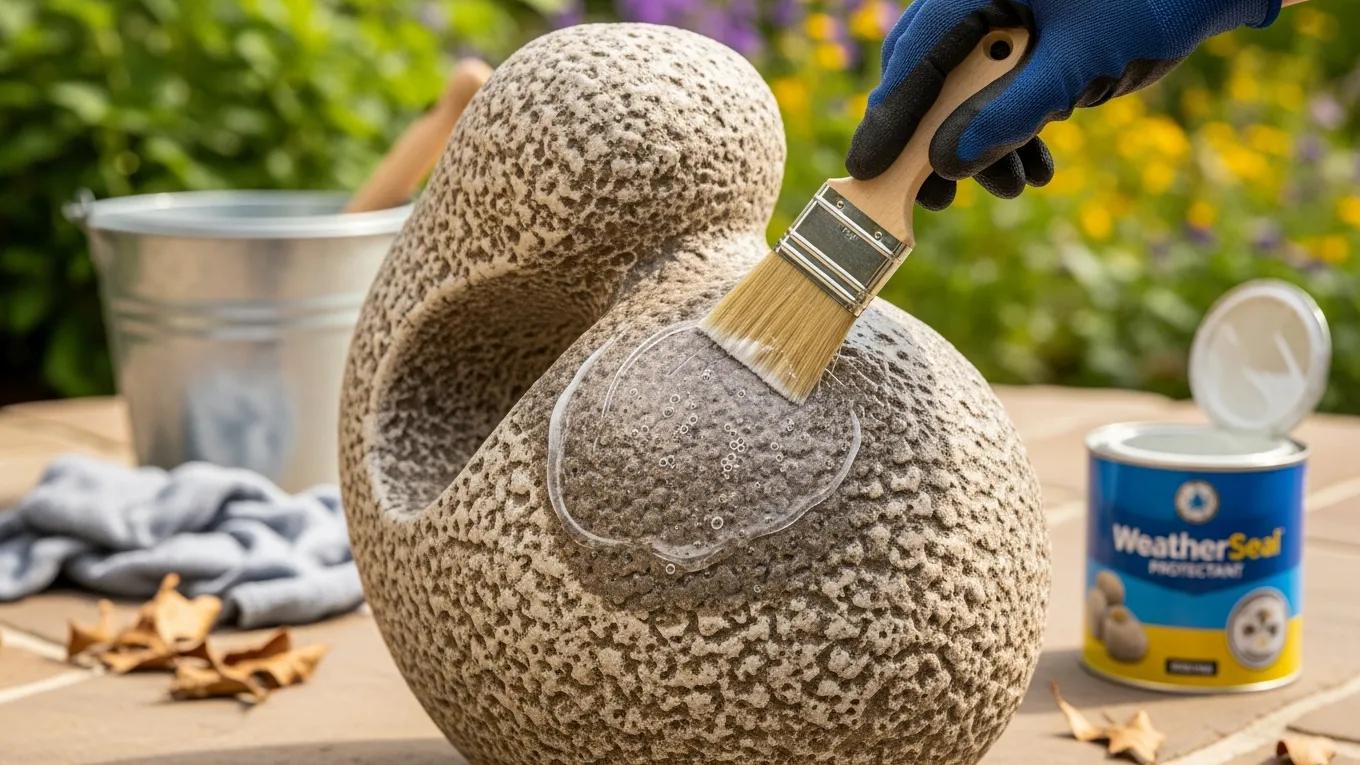
A well-planned outdoor art installation is designed to last, but even the most durable materials require routine care. Sun exposure, rain, wind, humidity, and seasonal temperature changes gradually affect outdoor sculptures and decorative features.
With regular maintenance, you can preserve their appearance, prevent unnecessary repairs, and keep them looking like an intentional part of your landscape for years to come.
Maintenance requirements vary depending on the material, local climate, and where the artwork is installed. Fortunately, a few simple habits can significantly extend the life of your outdoor art.
Protect Outdoor Art With the Right Maintenance Routine
Preventive care is far easier and less expensive than restoring weather-damaged artwork. Inspect sculptures several times throughout the year, especially after severe storms or seasonal weather changes.
A basic maintenance routine should include:
- Removing dirt, pollen, bird droppings, and debris with a soft cloth or gentle brush.
- Inspecting for cracks, rust, loose fasteners, or signs of movement.
- Trimming nearby plants that may trap moisture or scratch the surface.
- Clearing leaves and standing water from around the sculpture’s base.
- Confirming that the foundation remains level and secure.
Cleaning methods should always match the material. Natural stone may require only water and a soft brush, while metal sculptures often benefit from manufacturer-approved cleaners that preserve protective finishes.
Avoid harsh chemicals or abrasive scrubbing tools that could damage coatings or alter the artwork’s appearance.
Use Weather-Resistant Finishes to Extend the Life of Outdoor Art
Protective coatings provide an additional barrier against moisture, UV exposure, corrosion, and fading. The right finish depends on the material, but many outdoor sculptures benefit from periodic resealing or refinishing.
Common protective treatments include:
| Material | Recommended Protection | Typical Maintenance |
|---|---|---|
| Metal | Clear protective wax or weather-resistant coating | Inspect annually for corrosion |
| Natural stone | Penetrating stone sealer | Reapply every few years as recommended |
| Wood | Exterior-grade stain or sealant | Recoat periodically to prevent weathering |
| Painted surfaces | UV-resistant clear coat | Touch up chips before moisture penetrates |
Following the manufacturer’s care recommendations helps preserve both the artwork and any warranties that may apply.
Use Landscape Lighting to Showcase Outdoor Art
Lighting is one of the simplest ways to elevate an outdoor art installation while improving safety and nighttime curb appeal. Well-designed lighting highlights texture, creates depth, and transforms sculptures into focal points after dark.
Consider incorporating:
- Uplighting to emphasize height and dramatic forms.
- Spotlights to highlight intricate details.
- Path lighting that naturally draws visitors toward featured artwork.
- Warm accent lighting that complements surrounding landscaping without overpowering the sculpture.
Position fixtures carefully to avoid glare while creating subtle shadows that add dimension. Energy-efficient LED fixtures are a popular choice because they provide consistent illumination with minimal maintenance and operating costs.
Adapt Maintenance to Your Local Climate
Weather conditions should also influence your maintenance schedule. In humid climates, inspect metal artwork more frequently for signs of corrosion.
In areas with freezing winters, check stone bases and concrete foundations for cracks caused by freeze-thaw cycles. Coastal environments may require more frequent cleaning because salt exposure can accelerate wear on certain materials.
A thoughtful outdoor art installation doesn’t end once the sculpture is in place. Regular inspections, protective finishes, and carefully planned lighting help preserve both the artwork and the surrounding hardscape.
With consistent care, your outdoor art can remain a striking focal point that enhances your landscape through every season while protecting the investment you’ve made in your outdoor living space.
Conclusion
Thoughtfully placed outdoor art can add personality, visual interest, and a unique focal point to any landscape.
Whether you’re incorporating sculptures, decorative stone features, or custom installations, the right placement and hardscape design can help your artwork blend seamlessly with the surrounding environment while enhancing the beauty and functionality of your outdoor space.
Working with experienced professionals ensures every element is installed with both aesthetics and durability in mind. For expert hardscape design and installation services, choose Atlanta Hardscape Kings.
If you’re ready to elevate your landscape with custom hardscape features and outdoor art, call (470) 665-5283 to speak with the team at Atlanta Hardscape Kings or fill out the website form to get your free estimate today.