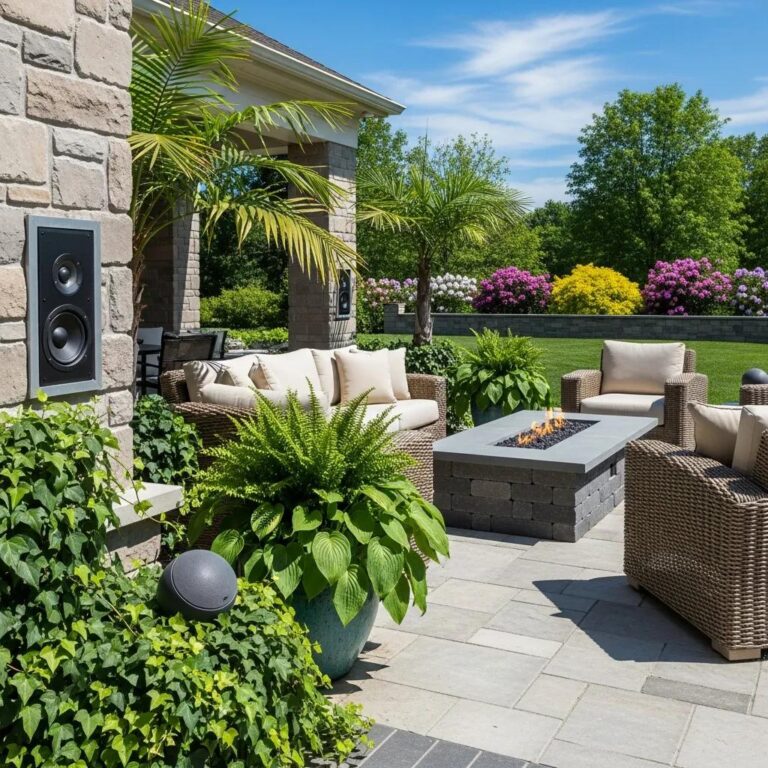
Outdoor surfaces are built to handle exposure, but over time, weather, moisture, and daily use can start to break them down. Pavers, concrete, and stone can fade, stain, or weaken if they’re left unprotected. Taking steps to preserve these surfaces early can prevent costly repairs later.
Understanding why sealing hardscapes helps surfaces last longer comes down to protection. A proper seal creates a barrier against water, dirt, and other elements that can cause damage. It also helps maintain color, reduce wear, and keep surfaces easier to clean.
With the right sealing approach, your hardscapes can stay durable, stable, and visually appealing through changing conditions and regular use.
Sealing Hardscapes for Long-Term Outdoor Protection
What Are The Key Benefits Of Sealing Stone Patios And Pavers?
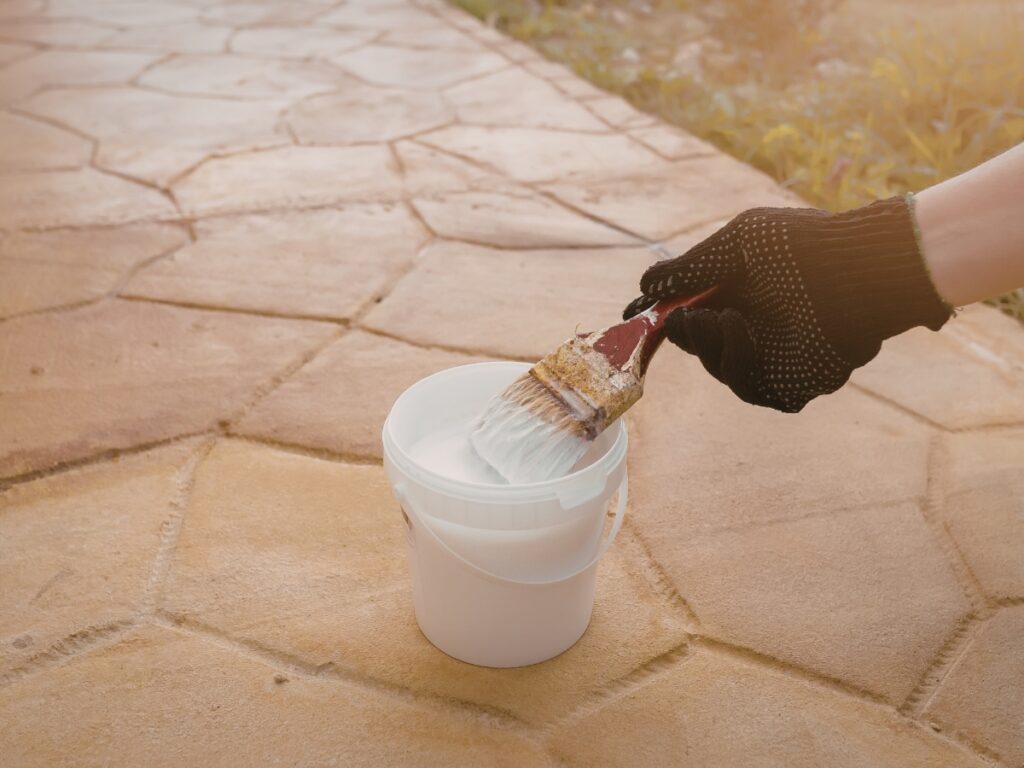
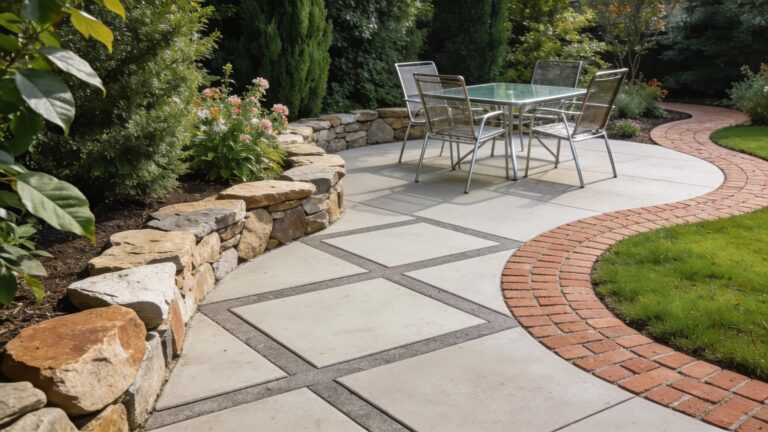
Stone patios and pavers are built to last, but they are still exposed to constant wear from weather, foot traffic, and everyday use.
Sealing hardscapes helps protect these surfaces by adding a layer that supports both durability and appearance. While the improvement is often subtle at first, the long-term impact can be significant.
Instead of waiting for visible damage, sealing works as a preventative step. It helps preserve the structure of the material while keeping surfaces easier to maintain over time.
How Sealing Protects Against Moisture And Structural Damage
One of the most important benefits of sealing hardscapes is moisture control. Stone and pavers are naturally porous, which means water can seep in if the surface is left unprotected. Over time, this can lead to cracking, shifting, or general weakening of the material.
In climates where temperatures fluctuate, this becomes even more important. Water that enters the surface can expand when it cools, placing stress on the structure. Sealing helps reduce how much moisture is absorbed, which lowers the risk of these issues developing.
Beyond protecting the surface itself, sealing also supports the stability of joints between pavers. When less water enters these spaces, there is less chance of erosion or movement, helping the entire hardscape hold its shape.
Why Sealed Surfaces Are Easier To Maintain
Another advantage of sealing hardscapes is how it simplifies ongoing maintenance. Without a sealant, dirt, oil, and other substances can settle into the surface and become difficult to remove. Over time, this buildup can change the look of the material and require more intensive cleaning.
With a sealed surface, most spills stay closer to the top layer. This makes routine cleaning more effective and helps prevent long-term staining. Whether it is food, grease, or general outdoor debris, surfaces tend to stay cleaner with less effort.
This ease of maintenance also contributes to a more consistent appearance. Instead of dealing with uneven discoloration or deep stains, homeowners can keep their patios and walkways looking well cared for with regular upkeep.
Protection Against Sun Exposure And Weathering
Sunlight and weather conditions can gradually change the appearance of stone and pavers. Prolonged exposure to UV rays can cause fading, while rain and environmental pollutants can wear down the surface over time.
Sealing hardscapes helps create a barrier that reduces these effects. While it does not completely stop natural aging, it slows the process and helps materials retain their original color longer. This is especially noticeable in areas that receive direct sunlight throughout the day.
Weather-related wear is also less likely to affect sealed surfaces. Dirt and debris are less able to settle into the material, and water tends to move across the surface rather than soaking in. This combination helps maintain both the look and performance of the hardscape.
Long-Term Value Of Sealing Hardscapes
The long-term value of sealing hardscapes comes from prevention. By reducing moisture intrusion, limiting staining, and protecting against environmental exposure, sealing helps extend the life of patios, walkways, and other outdoor surfaces.
This does not just preserve appearance. It also reduces the need for repairs or early replacement. When surfaces remain stable and intact, maintenance becomes more predictable and less costly over time.
For homeowners, the result is a space that continues to look and function as intended. Sealing hardscapes is not just about immediate improvement, but about maintaining quality and consistency year after year.
Which Types Of Paver Sealers Are Best Suited For Outdoor Stone Surfaces?
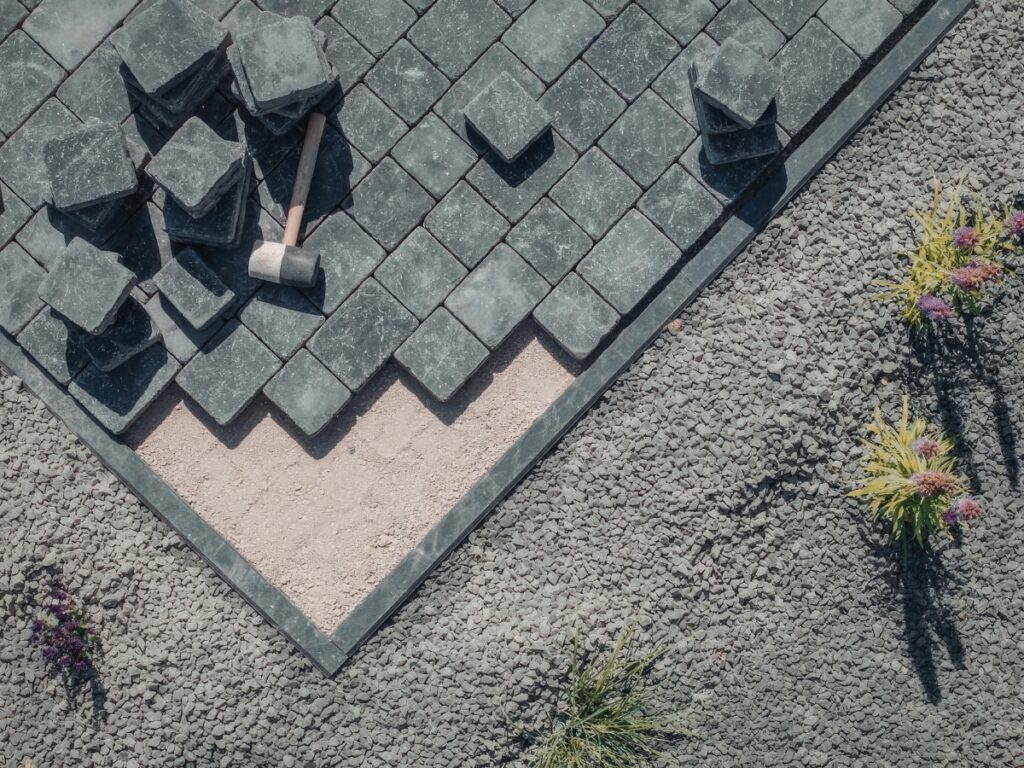
Choosing the right product is a key part of sealing hardscapes effectively. Not all sealers perform the same way, and the best option depends on the type of stone, the look you want, and the conditions your outdoor space faces.
Penetrating sealers are often used when maintaining a natural appearance is the priority. These products soak into the surface rather than sitting on top, helping to reduce moisture absorption without changing the texture or color too much.
They work especially well on porous materials like natural stone, where internal protection matters most. Film-forming sealers take a different approach by creating a protective layer across the surface.
This layer adds noticeable stain resistance and can enhance color, often giving pavers a slightly richer or glossy finish. While they offer strong protection, they do require more upkeep over time, especially in high-traffic areas where wear becomes more visible.
Silane or siloxane hybrid sealers fall somewhere in between. They combine deeper penetration with a light surface barrier, offering solid moisture protection while preserving a more natural look. For many homeowners, this balance makes them a practical choice when sealing hardscapes in varied outdoor conditions.
What Are The Differences Between Penetrating And Film-Forming Sealers?
Understanding how these sealers behave once applied helps narrow down the right fit. Penetrating sealers are absorbed into the material, which means they protect from within.
They tend to dry relatively quickly and leave little to no visible finish. This makes them ideal for homeowners who prefer a subtle, low-maintenance result that blends seamlessly with the existing surface.
Film-forming sealers, on the other hand, sit on top of the stone or paver. Because of this, they create a more noticeable finish, often ranging from satin to glossy. They also provide stronger UV protection, which can help prevent fading in areas with consistent sun exposure.
However, since the protection is on the surface, it may wear down unevenly over time and require reapplication to maintain a consistent look. Hybrid options offer flexibility by combining these benefits.
They typically provide better moisture resistance than standard penetrating sealers while still avoiding the heavy surface buildup of traditional film-forming products. This makes them a useful middle-ground solution for many outdoor applications.
How To Choose The Right Sealer For Local Climate Conditions
Climate plays a major role in how well sealing hardscapes performs over time. In areas with high humidity, moisture resistance should be a top priority. A sealer that limits water absorption can help reduce the risk of mold, mildew, and surface deterioration.
Temperature changes also matter. Outdoor surfaces expand and contract with shifting weather, so the sealer needs to move with the material rather than crack or peel. Products designed for durability in fluctuating conditions tend to hold up better over the long term.
Material compatibility is another factor that should not be overlooked. Different types of stone and pavers absorb sealers differently, so choosing a product designed for your specific surface will lead to better results.
When sealing hardscapes, matching the sealer to both the material and the environment helps ensure the protection lasts as intended. By taking these factors into account, homeowners can make more informed decisions and get the most out of their investment.
What Is The Step-By-Step Process For Proper Hardscape Sealing?
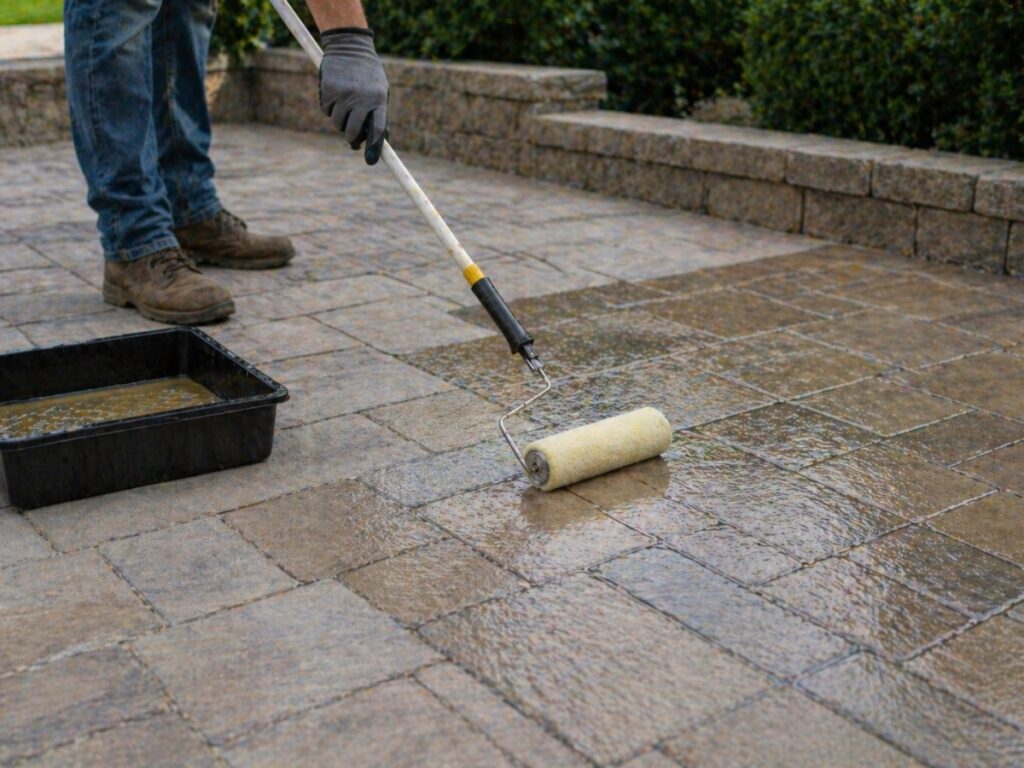
Sealing hardscapes is most effective when approached with a clear, methodical process. Skipping steps or rushing the job often leads to uneven results or reduced protection over time.
A well-executed application not only improves appearance but also helps extend the life of your outdoor surfaces. The process typically begins with preparation, followed by careful application, and finishes with ongoing hardscaping maintenance.
Each stage plays a role in how well the sealer performs, so it is important to treat them as connected steps rather than separate tasks. When done correctly, sealing hardscapes creates a consistent barrier that protects against moisture, stains, and general wear.
How Should Stone Surfaces Be Prepared Before Sealing?
Preparation sets the foundation for everything that follows. Before applying any sealer, the surface needs to be completely clean and in good condition. Dirt, debris, and remnants of old sealant can prevent proper adhesion, which leads to patchy coverage or early failure.
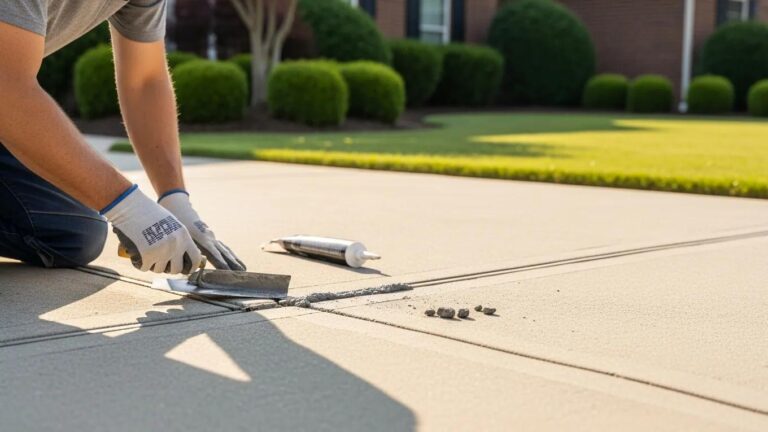
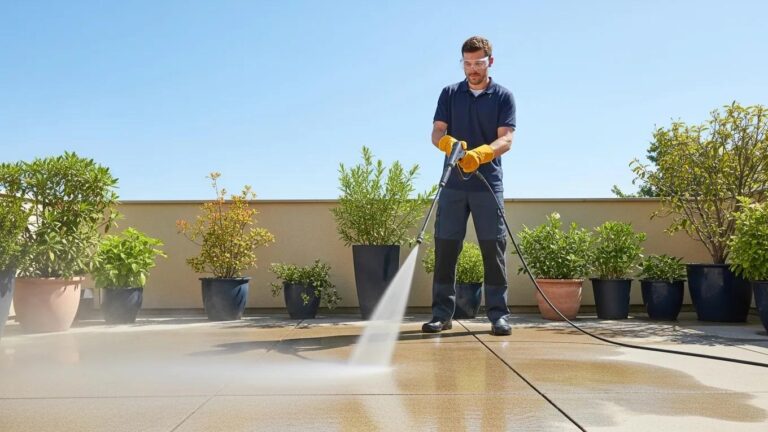
A thorough cleaning is usually the first step. This often involves pressure washing or using a suitable cleaning solution to lift stains and buildup from the surface. Once cleaned, the area should be inspected closely. Small cracks, loose joints, or damaged sections should be repaired at this stage to avoid sealing over existing issues.
Drying is just as important as cleaning. Any trapped moisture can interfere with how the sealer bonds to the surface. Allowing the stone or pavers to dry fully ensures that sealing hardscapes delivers the intended level of protection and durability.
What Are The Recommended Application Techniques For Paver Sealers?
Once the surface is properly prepared, the focus shifts to application. The goal here is even coverage without excess buildup. Using the right tools makes a noticeable difference. Rollers are often preferred for smaller areas, while sprayers can help cover larger surfaces more efficiently.
Applying the sealer in thin, consistent layers tends to produce the best results. Heavy application can lead to pooling or streaking, which not only affects the appearance but can also impact how the sealer cures. Working in sections can help maintain control and ensure that each area is treated evenly.
Timing also plays a role. Following the manufacturer’s recommendations for drying and recoat windows helps the product perform as intended. Some surfaces may require a second coat for added protection, especially in high-traffic areas or spaces exposed to frequent weather changes.
How Does Maintenance Protect Sealed Hardscapes Over Time?
Sealing hardscapes is not a one-time task. Regular upkeep is what keeps the surface looking clean and functioning properly. Over time, exposure to foot traffic, weather, and environmental debris can wear down the protective layer.
Routine cleaning helps preserve the finish and prevents buildup that can break down the sealant. Light washing and occasional spot cleaning are usually enough to maintain the surface between resealing cycles.
Paying attention to areas that see more use, such as walkways or patios, can help you catch early signs of wear. Reapplication is another part of long-term care.
Depending on the type of sealer and the conditions it is exposed to, most surfaces benefit from resealing every few years. Staying ahead of this schedule ensures that sealing hardscapes continues to provide consistent protection and keeps your outdoor spaces looking their best.
How Can Homeowners Maintain Sealed Hardscapes For Long-Lasting Protection?
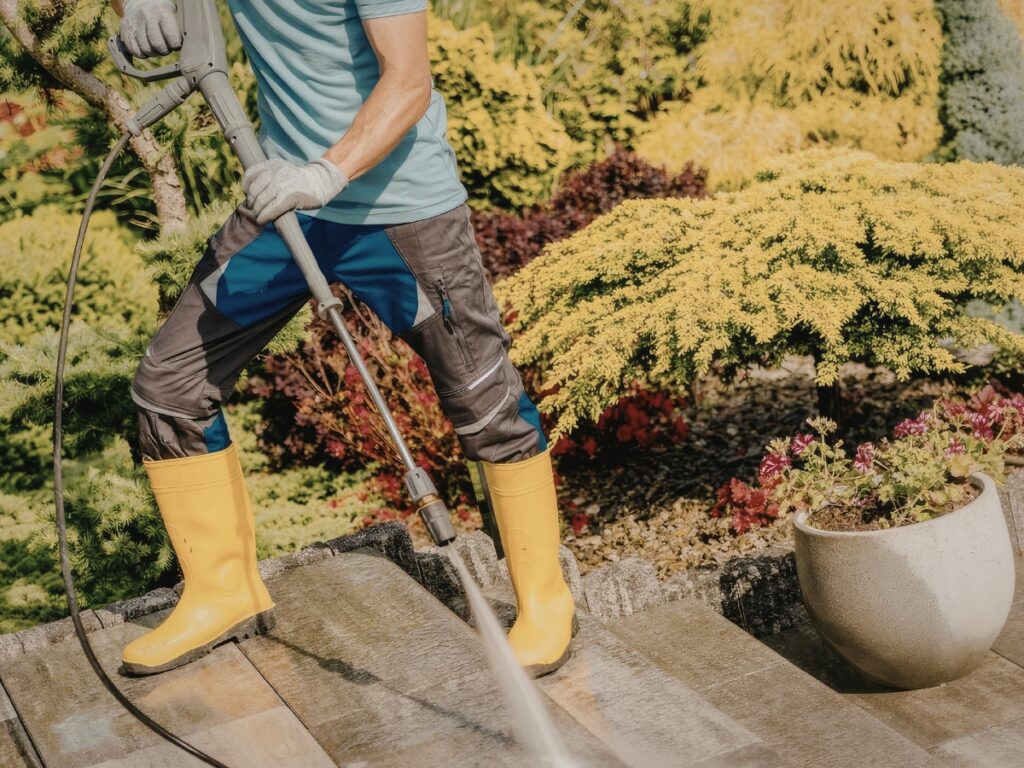
Sealing hardscapes is only part of the equation. Ongoing care is what keeps patios, walkways, and pavers looking good and performing well over time. Without maintenance, even a high-quality sealant will gradually wear down, especially in outdoor environments exposed to weather and regular use.
A consistent approach to cleaning, inspecting, and planning for resealing can make a noticeable difference. When homeowners stay ahead of minor issues, they can avoid more costly repairs and extend the life of their hardscape surfaces.
What Are Essential Hardscape Maintenance Tips After Sealing?
After sealing hardscapes, routine care should become part of your regular outdoor maintenance. Cleaning is one of the simplest but most effective ways to protect the surface. Light washing with a gentle cleaner and a soft brush helps remove dirt before it settles into the material or breaks down the sealant.
It also helps to pay attention to subtle changes in the surface. Areas that start to look dull, uneven, or slightly worn may be early signs that the sealant is thinning. Checking for small cracks or sections where the coating appears to be fading allows you to address problems before they spread.
Another important factor is avoiding harsh chemicals or abrasive tools. These can strip away the protective layer faster than normal wear. Keeping the cleaning process simple and consistent supports the long-term benefits of sealing hardscapes without causing unnecessary damage.
How Often Should Pavers Be Resealed To Maximize Effectiveness?
Resealing is what keeps the protective barrier intact, but the right timing depends on how the space is used and the conditions it faces.
In high-traffic areas like driveways or frequently used patios, the sealant tends to wear down more quickly. These surfaces may need attention every one to two years to maintain consistent protection.
In lower-traffic areas, the timeline can extend a bit longer. Walkways or decorative features that see less use often hold up well for several years before resealing is needed.
The type of sealer also plays a role. Some products are designed for longer durability, while others require more frequent reapplication to maintain their finish.
Environmental exposure is another key factor. Strong sun, heavy rainfall, and temperature shifts all affect how long a sealant lasts. Surfaces that are regularly exposed to these elements may need resealing sooner than those in more sheltered areas.
How Can You Tell When It Is Time To Reseal?
Rather than relying only on a fixed schedule, it helps to watch for visual and performance cues. If water no longer beads on the surface and instead begins to soak in, it is a sign that the protective layer is wearing off.
Similarly, fading color or increased staining can indicate that the sealant is no longer doing its job effectively. By combining regular observation with a general resealing plan, homeowners can stay proactive.
This approach ensures that sealing hardscapes continues to provide reliable protection while keeping outdoor spaces looking clean and well-maintained year after year.
How Does Atlanta Hardscape Kings Ensure Quality And Reliable Sealing Services?
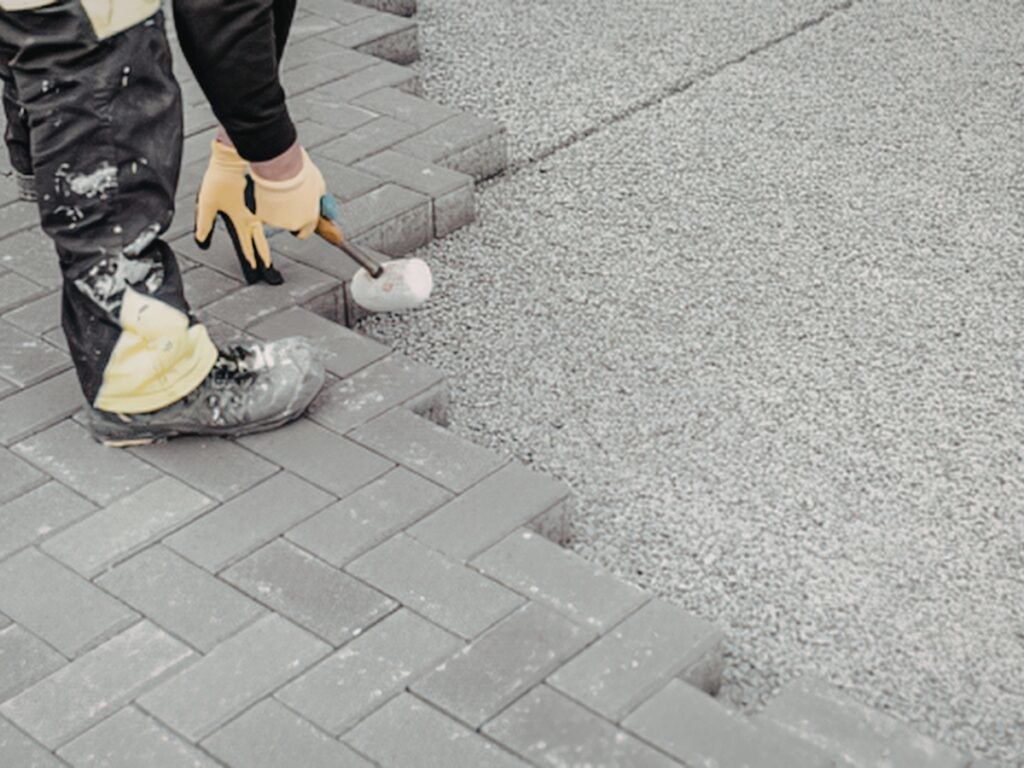
When it comes to sealing hardscapes, consistency and attention to detail make all the difference. Atlanta Hardscape Kings approaches each project with a focus on long-term performance rather than quick results.
Their process begins with selecting the right sealer for the specific surface and environment, which helps ensure the finish holds up over time. Before any product is applied, the team takes time to evaluate the condition of the hardscape.
This step allows them to identify underlying issues such as surface wear, joint damage, or moisture concerns that could affect how well the sealer performs. Addressing these factors upfront leads to a more reliable outcome and helps prevent problems after the job is complete.
Homeowners also benefit from added peace of mind through service guarantees. By offering warranty options, Atlanta Hardscape Kings reinforces their commitment to quality while giving clients confidence in the durability of their investment.
What Local Expertise Does Atlanta Hardscape Kings Bring To Hardscape Sealing?
Experience with local conditions plays a major role in successful sealing hardscapes. Atlanta’s climate presents a mix of humidity, heat, and seasonal shifts that can impact how surfaces age and how sealers perform.
Atlanta Hardscape Kings brings a working knowledge of these conditions, allowing them to adjust their approach based on what each project requires. Their familiarity with regional materials is equally important.
Different types of stone and pavers respond differently to sealers, and using the wrong product can lead to uneven results or reduced protection. By understanding how local materials behave, the team can recommend solutions that enhance both durability and appearance.
Each project is treated as unique rather than following a one-size-fits-all method. This allows for more precise application and better long-term performance, especially in outdoor spaces that face varying levels of exposure and use.
Can Project Examples Demonstrate The Benefits Of Professional Sealing?
Real-world results often show the value of professional work more clearly than any description. Many homeowners who invest in professional sealing hardscapes notice immediate improvements in both appearance and performance.
Surfaces tend to look more vibrant, with enhanced color and a cleaner finish that lasts longer between maintenance cycles. Beyond aesthetics, the functional benefits become more noticeable over time.
Properly sealed patios and walkways are easier to clean and less likely to absorb stains. They also tend to resist wear from foot traffic and weather exposure, which helps reduce the need for repairs.
In many cases, the difference is most obvious when comparing before-and-after conditions. Surfaces that once looked faded or worn can appear refreshed and more uniform after sealing.
These results highlight how a careful, professional approach can extend the life of outdoor features while improving how they look and feel.
Why Professional Sealing Makes A Long-Term Difference
Choosing professional services for sealing hardscapes is not just about immediate results. It is about setting up the surface for better performance over time. From proper preparation to accurate product selection, each step contributes to how well the sealant holds up in real conditions.
By combining local expertise with a structured process, Atlanta Hardscape Kings helps homeowners protect their outdoor spaces in a way that is both practical and lasting.
Conclusion
Sealing your hardscapes is one of the most effective ways to protect your investment, shielding patios, walkways, and retaining walls from moisture damage, UV rays, stains, and freeze-thaw cycles that cause cracking and fading.
A quality sealant not only extends the life of your surfaces but also enhances their natural color and makes routine cleaning significantly easier. For professional sealing and expert hardscape care that ensures lasting beauty and durability, trust Atlanta Hardscape Kings.
Ready to protect and preserve your outdoor living spaces? Call (470) 606-7895 or visit our website to request your free estimate today. Let our team help you keep your hardscapes looking their best for years to come.