Green patches on patios, walkways, and driveways might seem harmless at first, but algae and moss can quickly turn outdoor surfaces into slippery hazards.
What starts as a cosmetic issue can become a safety concern, especially in damp or shaded areas where growth spreads easily. Knowing the right algae moss removal tips for safer outdoor spaces helps you protect both appearance and traction.
These growths thrive in moisture and can break down surfaces over time if left untreated. Proper removal not only restores a clean look but also reduces the risk of slips and long-term damage.
With the right cleaning methods and preventative steps, you can keep your outdoor areas safer, more durable, and easier to maintain year-round.
How Algae Moss Removal Protects Patios and Walkways
What Causes Algae And Moss Growth On Outdoor Surfaces?
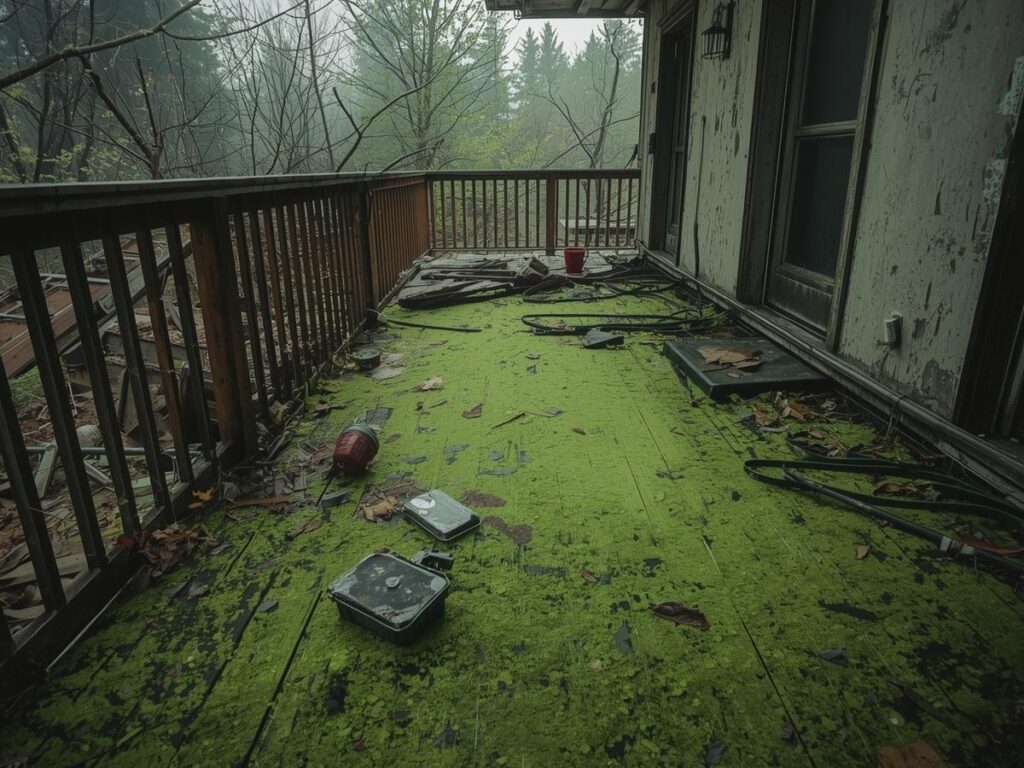
Algae and moss tend to appear in places where moisture lingers, and surfaces do not fully dry out. While they may seem like a minor cosmetic issue at first, they can quickly spread across patios, walkways, and other hardscapes if the conditions are right.
Understanding what drives their growth is the first step toward effective algae moss removal and long-term prevention.
How Algae And Moss Develop On Patios And Hardscapes
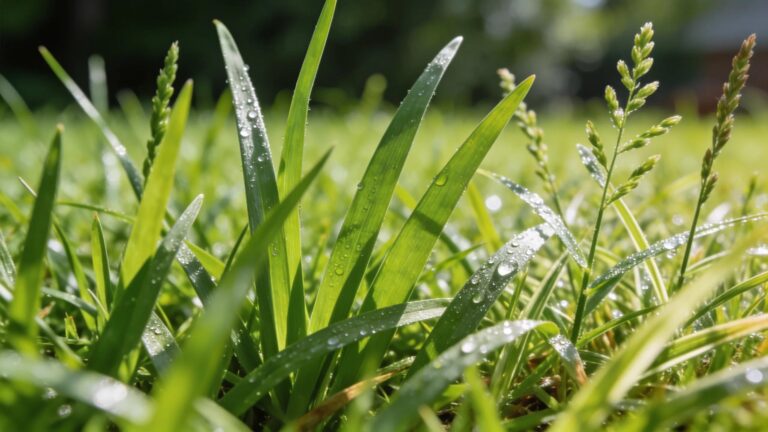
Algae and moss grow in similar environments, but they behave a bit differently once established. Algae are simple organisms that rely on sunlight and moisture to grow, often forming thin layers that can look green, dark, or even slightly reddish depending on the type.
They spread quickly and tend to create a slick film on surfaces, which can become a safety concern over time. Moss develops more like a low-growing plant. It prefers shaded, damp areas where it can anchor itself into small crevices.
Once it takes hold, it forms a soft, dense layer that traps moisture against the surface. This makes it easier for moss to continue spreading and can even create conditions for other unwanted growth.
Both algae and moss thrive when water is consistently present, which is why areas that rarely dry out are the most vulnerable. Recognizing how each one behaves can help guide a more targeted approach to algae moss removal rather than relying on a one-size-fits-all solution.
Why Moisture And Shade Play A Major Role
The most consistent factor behind algae and moss growth is excess moisture. Surfaces that stay wet for extended periods, whether from rain, irrigation, or poor drainage, create the ideal environment for growth. When this moisture combines with limited sunlight, the problem often becomes more noticeable.
Shaded areas, such as those under trees or along the side of a home, tend to dry much more slowly than areas exposed to direct sunlight. Without enough light and airflow, water remains on the surface longer, giving algae and moss more time to develop and spread.
Humidity also contributes to the issue, especially in climates where damp conditions are common. Even if a surface is not directly soaked, consistent moisture in the air can support growth over time. Addressing these conditions is just as important as the cleaning process itself when it comes to algae moss removal.
How Surface Type Affects Growth Patterns
Not all surfaces are equally prone to algae and moss buildup. Materials with a rough or porous texture tend to hold onto moisture more easily, which creates small pockets where growth can begin. Concrete, stone, and certain types of pavers are common examples, especially if they have not been sealed.
Smooth surfaces, while less absorbent, are not completely immune. If water pools or sits on top for too long, algae can still form a thin layer that spreads outward. Over time, even a slight buildup can make the surface look discolored and feel slippery.
This is why routine care matters. Regular cleaning, along with steps to improve drainage and airflow, can reduce the likelihood of buildup. When these factors are addressed early, algae moss removal becomes less of a recurring task and more of a manageable part of maintaining outdoor spaces.
Preventing Conditions That Lead To Regrowth
While removing algae and moss is important, preventing their return often comes down to managing the environment. Small adjustments, such as trimming back overhanging plants or improving how water drains away from surfaces, can make a noticeable difference.
Allowing more sunlight to reach problem areas helps surfaces dry faster, which limits the conditions these organisms rely on. In some cases, sealing certain materials can also reduce moisture absorption and make future algae moss removal easier.
By focusing on the underlying causes rather than just the visible growth, it becomes easier to maintain clean, safe outdoor surfaces over time.
Which Methods Work Best For Algae Moss Removal?
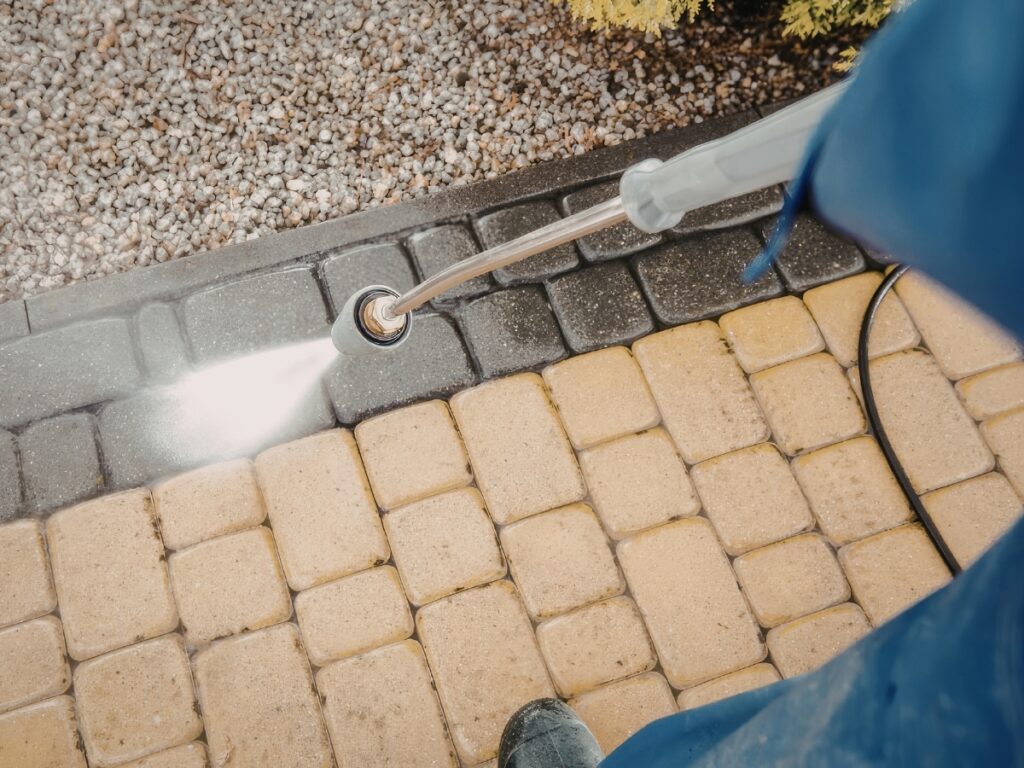
Removing algae and moss is not just about clearing what is visible. The method you choose can affect how long the surface stays clean and whether the problem returns quickly.
Some approaches focus on speed, while others are better for long-term results. Understanding how each method works can help you decide what makes sense for your specific surface and conditions.
When Pressure Washing Makes The Most Sense
Pressure washing is often the first method people consider because it delivers immediate, visible results. A strong stream of water can lift algae and moss from patios, driveways, and walkways, restoring the original appearance in a relatively short amount of time.
That said, the effectiveness of pressure washing depends on how it is used. Too much pressure can damage certain materials, especially softer stone or older concrete. On the other hand, using too little pressure may leave behind spores that allow growth to return sooner than expected.
A more thoughtful approach involves adjusting the pressure based on the surface and working in sections to ensure even coverage.
It is also helpful to follow up with a rinse that clears away any remaining residue. When done correctly, pressure washing can be a reliable part of algae moss removal, especially for surfaces that have not been cleaned in a while.
Why Cleaning Solutions Add Staying Power
While pressure washing removes surface buildup, it does not always address what is happening beneath it. This is where cleaning solutions can make a difference.
Products designed for algae moss removal are formulated to break down organic growth at a deeper level, helping to reduce the chances of regrowth.
Eco-friendly options are becoming more common, and they offer a practical balance between effectiveness and environmental impact. These solutions are typically biodegradable and less likely to harm surrounding plants or soil when used as directed. They can be applied before or after rinsing, depending on the condition of the surface.
Allowing the solution to sit for the recommended time is an important step. This gives it enough contact with the growth to loosen it fully, making removal easier and more thorough.
Combining Methods For Better Results
In many cases, the most effective approach is not choosing one method over another, but combining them. Applying a cleaning solution first can weaken algae and moss, making it easier for pressure washing to remove everything without excessive force.
This layered approach is especially useful for areas where buildup has been present for a long time. It also helps address both the visible growth and the underlying conditions that allow it to return.
For homeowners dealing with recurring issues, combining methods often leads to more consistent results over time. It turns algae moss removal into a more complete process rather than a temporary fix.
Choosing The Right Method For Your Surface
Different materials respond differently to cleaning methods, so it is important to match your approach to the surface you are working on. Concrete and stone can usually handle more aggressive cleaning, while wood or delicate finishes may require a gentler method.
Environmental factors should also be considered. Shaded areas with high moisture levels may need more than a one-time cleaning, while sunnier spots might stay clear longer with minimal effort.
By taking both the surface and the surrounding conditions into account, you can choose a method that not only removes algae and moss effectively but also helps keep your outdoor spaces looking clean and well-maintained.
How Can You Prevent Algae And Moss From Returning?
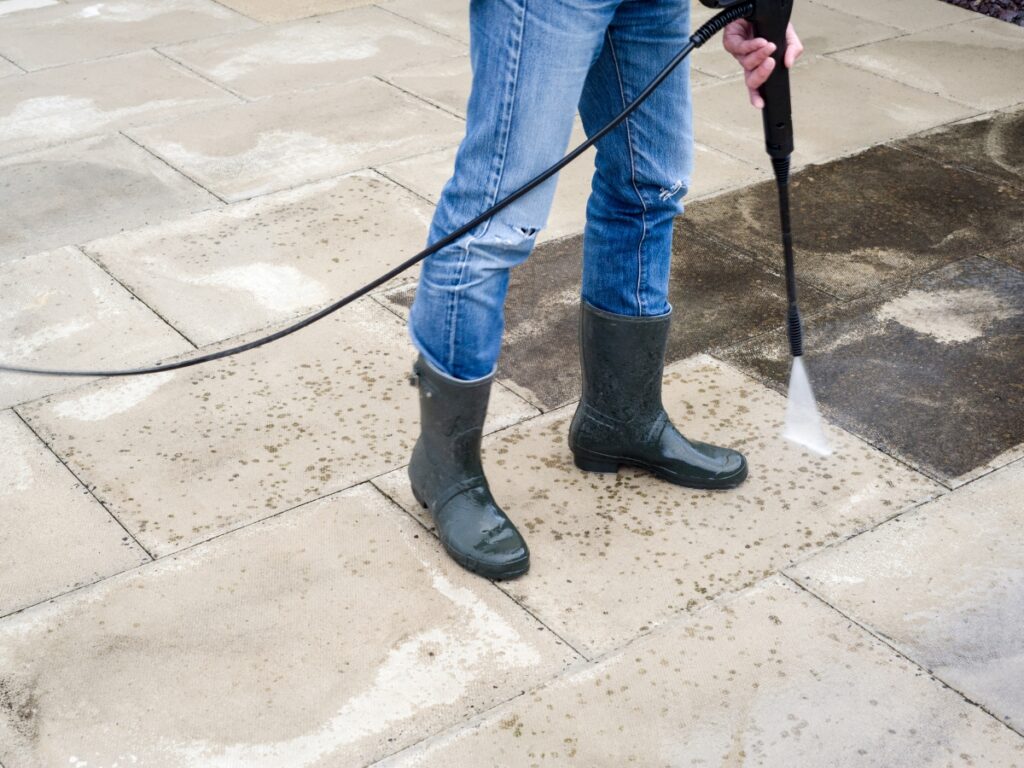
Once surfaces are clean, the next step is making sure the problem does not come back. Prevention focuses less on removing buildup and more on managing the conditions that allow it to grow in the first place.
By making a few consistent adjustments, algae moss removal becomes something you need less often rather than something you have to repeat every season.
Building A Simple Maintenance Routine
Ongoing maintenance does not need to be complicated, but it does need to be consistent. Surfaces that are left untouched for long periods tend to collect moisture, debris, and organic matter, all of which support algae and moss growth.
Light cleaning on a regular basis helps interrupt that cycle. Sweeping away leaves and dirt prevents moisture from getting trapped, while occasional rinsing keeps surfaces from developing a film over time. In areas where buildup tends to return, a gentle scrub can remove early signs of growth before they spread.
The goal is not to deep-clean every time, but to stay ahead of visible buildup. When small issues are addressed early, algae moss removal becomes quicker and far less intensive.
Managing Moisture Before It Becomes A Problem
Moisture control is one of the most effective ways to prevent algae and moss from forming again. Even after a thorough cleaning, damp conditions can quickly lead to regrowth if they are not addressed.
Improving drainage around patios and walkways can make a noticeable difference. Water should flow away from surfaces rather than collect in low spots. If pooling occurs after rain or watering, adjusting the slope or clearing nearby drains can help reduce standing water.
Airflow also plays a role. Trimming back nearby plants or trees allows more sunlight to reach the surface and helps it dry faster. When surfaces dry more quickly, they become less inviting for algae and moss to take hold.
Using Preventative Treatments Wisely
In addition to physical maintenance, certain treatments can help discourage future growth. Eco-friendly cleaning solutions are often used not just for algae moss removal, but also as a preventative measure. These products can create conditions that make it harder for algae and moss to reestablish themselves.
Applying a treatment after cleaning, especially in areas that tend to stay damp, can extend the results. It is important to follow product instructions carefully to ensure effectiveness without affecting nearby plants or materials.
Sealing certain surfaces can also help. A proper sealant reduces how much moisture is absorbed into porous materials like concrete or stone. This makes it more difficult for algae and moss to anchor themselves and simplifies future cleaning.
Planning For Seasonal Changes
Outdoor surfaces are exposed to changing conditions throughout the year, which means prevention should adapt as well. Wet seasons often bring an increased risk of algae and moss, while drier periods may require less attention.
Preparing ahead of time can help reduce buildup during high-risk months. This might include clearing debris more frequently, checking drainage systems, or applying a protective treatment before conditions worsen. Regular inspections also help identify problem areas early, before they spread.
By adjusting your approach based on the season, you can maintain more consistent results and reduce the need for repeated algae moss removal.
Creating A Long-Term Prevention Strategy
Preventing algae and moss is not about a single solution, but about combining small efforts that work together over time. Regular upkeep, better moisture control, and occasional treatments all contribute to keeping surfaces clean and safe.
When these habits become part of routine maintenance, outdoor areas stay in better condition with less effort overall. Instead of reacting to buildup after it appears, you are managing the environment in a way that makes growth less likely from the start.
Why Consider Professional Help For Algae Moss Removal?
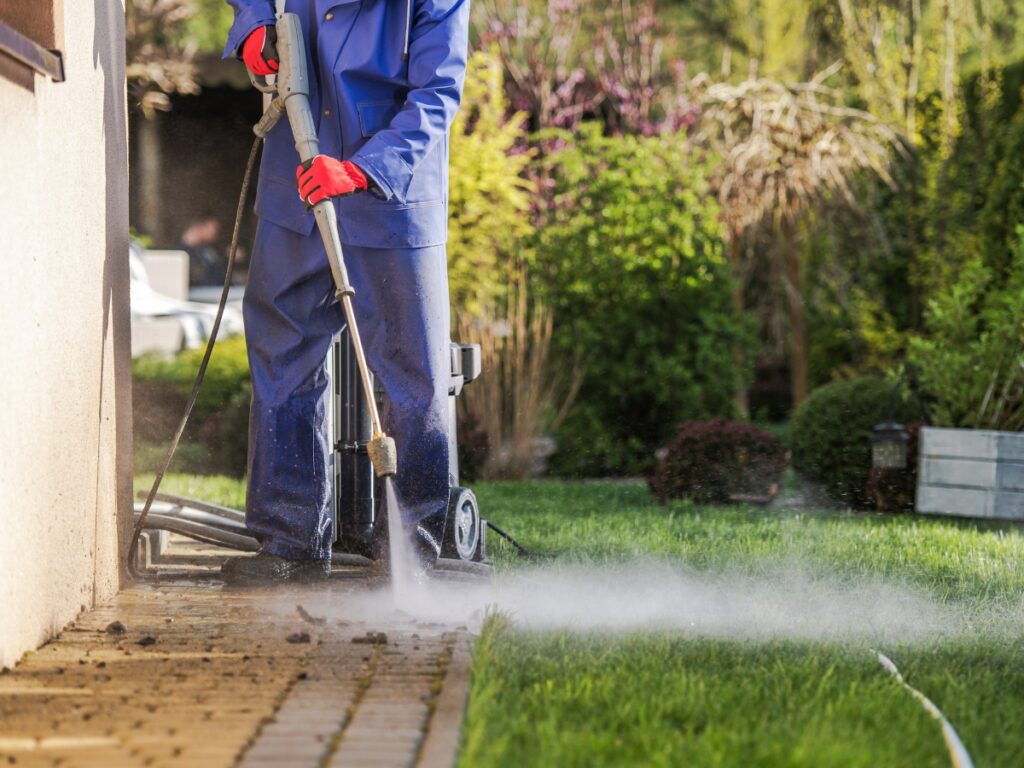
For homeowners dealing with widespread buildup or recurring growth, professional services can offer a more efficient and lasting solution.
While basic cleaning methods can handle light surface issues, heavier accumulation often requires a more precise approach. This is where experienced teams can make a noticeable difference in both results and long-term maintenance.
Choosing professional support for algae moss removal is less about convenience and more about addressing the root of the problem. With the right tools and techniques, professionals can remove growth thoroughly while also reducing the chances of it returning too quickly.
How Local Experience Improves Results
Outdoor surfaces are affected by local conditions such as humidity, rainfall, and shade patterns. In areas like Atlanta, these factors can create an environment where algae and moss develop more easily. Professionals who work regularly in the region tend to understand how these conditions impact different surfaces over time.
Atlanta Hardscape Kings, for example, focuses on cleaning and restoring patios, walkways, and other hardscapes with these local challenges in mind. Their familiarity with common problem areas allows them to adjust their approach based on the surface material and the surrounding environment.
Instead of applying the same method to every project, they can tailor their process to suit the situation. This often leads to more consistent results, especially in spaces where algae moss removal has been an ongoing issue.
What Professional Equipment And Techniques Add
One of the key advantages of hiring a professional service is access to specialized equipment. While standard pressure washers can be effective, professional-grade tools offer more control and precision. This helps ensure that surfaces are cleaned thoroughly without causing unnecessary wear.
In addition to equipment, professionals often use a combination of cleaning methods rather than relying on a single technique. This might include applying targeted treatments before or after washing to break down organic growth at a deeper level.
This approach not only improves the immediate appearance of the surface but also supports longer-lasting results. When algae moss removal is handled with both surface cleaning and deeper treatment in mind, it becomes less likely that buildup will return quickly.
Real-World Results From Professional Cleaning
One of the clearest ways to see the value of professional cleaning is through before-and-after results. Surfaces that once appeared stained or uneven can often be restored to a cleaner, more uniform look after proper treatment.
Homeowners who have dealt with recurring growth often notice that professional cleaning lasts longer than basic methods. This is usually because the process addresses both visible buildup and the underlying conditions that support it.
Feedback from past projects also highlights improvements beyond appearance. Clean surfaces are generally safer to walk on, especially in areas where algae has created a slippery layer.
When It Makes Sense To Bring In Experts
Not every situation requires professional help, but there are times when it becomes the more practical option. Larger areas, persistent growth, or surfaces that are sensitive to damage can all benefit from a more experienced approach.
If previous attempts at algae moss removal have only provided short-term results, it may be a sign that a deeper treatment is needed. Professionals can assess the condition of the surface and recommend a method that balances effectiveness with long-term care.
By choosing the right support when it is needed, homeowners can protect their outdoor spaces while reducing the effort required to maintain them over time.
What Are The Environmental And Property Benefits Of Algae Moss Removal?
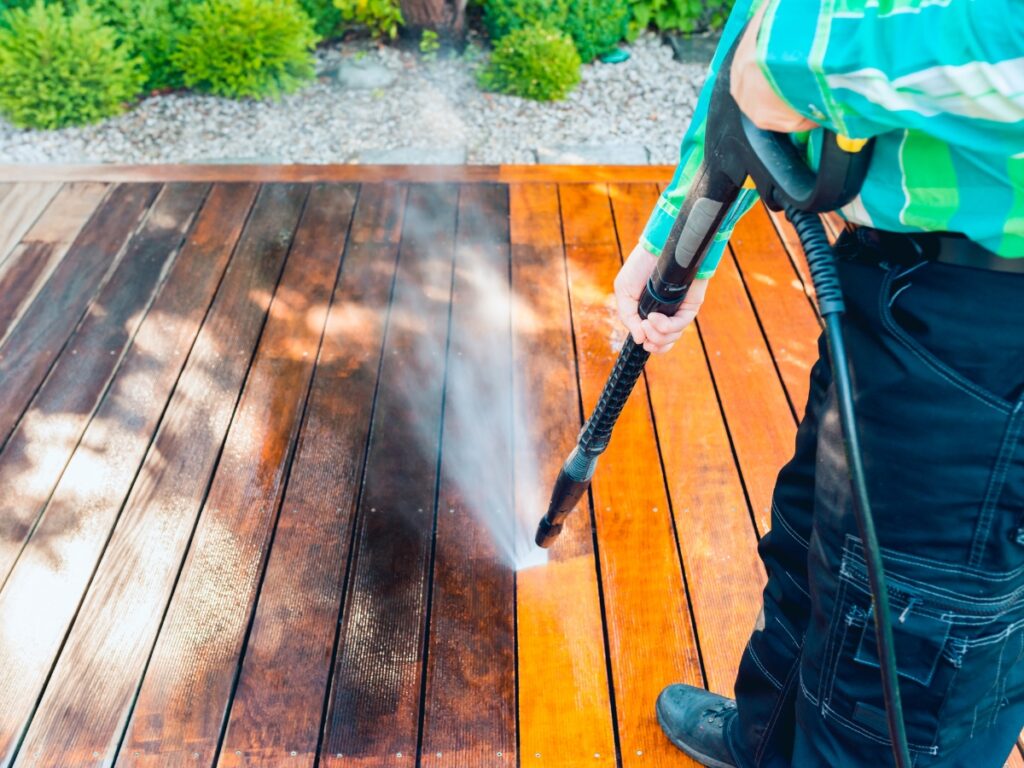
Keeping outdoor surfaces clear of buildup does more than improve how they look. Over time, algae and moss can affect the condition of materials and the surrounding environment.
Regular algae moss removal helps protect both, making outdoor spaces easier to maintain and more enjoyable to use.
How Removal Supports Long-Term Surface Durability
Algae and moss tend to hold moisture against surfaces, which can gradually weaken materials like concrete, stone, and pavers. When this moisture is trapped for long periods, it can lead to discoloration, minor surface breakdown, or even shifting in certain areas.
By staying consistent with algae moss removal, you reduce the amount of moisture that lingers on these surfaces. This helps preserve their original condition and can extend their lifespan.
It also makes routine upkeep simpler, since clean surfaces are less likely to develop stubborn buildup that requires more intensive treatment later.
In addition to protecting the material itself, clean surfaces tend to look more defined and well-maintained. This can make outdoor areas feel more usable and intentional, rather than neglected or difficult to navigate.
Why Clean Hardscape Improves Overall Property Appeal
Outdoor areas play a larger role in how a property is perceived than many homeowners expect. Walkways, patios, and driveways are often some of the first things people notice.
When these surfaces are covered in algae or moss, they can appear worn or poorly maintained, even if the rest of the property is in good condition.
Consistent algae moss removal helps maintain a cleaner, more uniform appearance. This can improve curb appeal without requiring major changes or upgrades. For homeowners thinking about long-term value, this kind of maintenance supports a property that feels cared for and ready to use.
Clean surfaces also tend to photograph better, which can be useful in situations where presentation matters, such as listings or rentals. While the impact may seem subtle, it contributes to a more positive overall impression.
How Sustainable Cleaning Methods Make A Difference
The way algae and moss are removed can influence more than just the surface itself. Traditional cleaning approaches sometimes rely on strong chemicals that can run off into nearby soil or drainage systems. Over time, this can affect plants and local ecosystems.
Using biodegradable cleaning solutions offers a more balanced approach. These products are designed to break down organic growth while limiting long-term environmental impact.
When paired with mindful water use, they allow homeowners to maintain clean surfaces without introducing unnecessary strain on the surrounding area.
Choosing these methods does not mean sacrificing effectiveness. In many cases, they work well as part of a broader algae moss removal strategy that focuses on both cleaning and prevention.
Supporting A More Balanced Outdoor Environment
Beyond cleaning, the surrounding landscape can either contribute to or help prevent algae and moss growth. Areas with poor airflow or heavy shade tend to stay damp longer, which creates favorable conditions for buildup.
Simple adjustments, such as trimming back overgrown plants or improving how water drains away from hard surfaces, can make a noticeable difference. Some homeowners also incorporate native plants that are better suited to the local climate, which can help maintain more stable conditions over time.
These changes work alongside algae moss removal rather than replacing it. Together, they create an environment where surfaces stay cleaner for longer and require less frequent intervention.
Maintaining Value Through Consistent Care
Algae and moss are common issues, but they do not have to become ongoing problems. With a combination of regular cleaning, thoughtful product choices, and attention to surrounding conditions, outdoor surfaces can remain in good shape with less effort.
In the long run, algae moss removal is about more than appearance. It helps protect materials, supports safer use of outdoor spaces, and encourages a more sustainable approach to maintenance.
How Often Should You Schedule Algae Moss Removal?
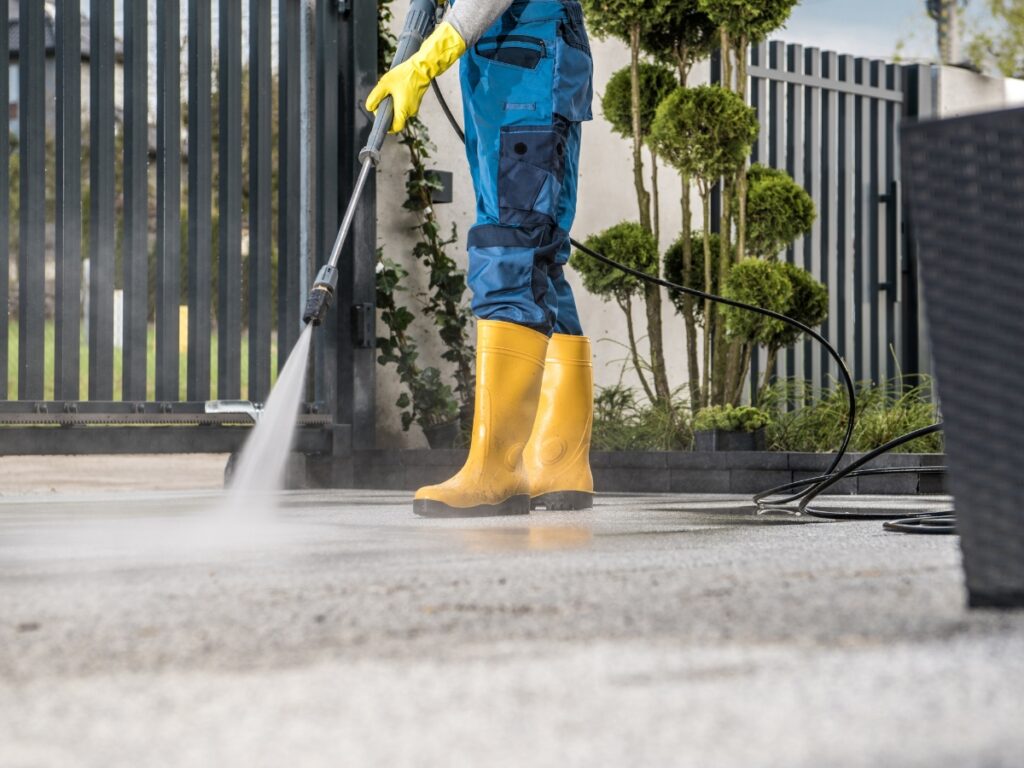
Figuring out how often to clean outdoor surfaces is not always straightforward. The right schedule depends on how quickly algae and moss return, which can vary based on moisture levels, shade, and the type of material you are working with. Instead of following a fixed timeline, it is usually more effective to build a routine around your specific conditions.
Regular observation plays a key role here. Some surfaces may stay clean for long stretches, while others show early signs of buildup within a few weeks. Adjusting your algae moss removal schedule based on what you actually see helps prevent both over-cleaning and neglect.
How Surface Type Influences Cleaning Frequency
Different materials respond to moisture in different ways, which directly affects how often they need attention. Porous surfaces like concrete, brick, and natural stone tend to absorb water more easily. This creates an environment where algae and moss can develop faster, especially if the area is shaded or has limited airflow.
Smoother surfaces, such as sealed concrete or certain types of tile, are less likely to hold moisture. While they are not immune to buildup, they often require less frequent cleaning. Even so, if water regularly pools on these surfaces, algae can still form and spread.
Because of these differences, it helps to think of algae moss removal as surface-specific rather than applying the same schedule across your entire outdoor space. Areas that stay damp longer will almost always need more consistent attention.
The Role Of Climate And Seasonal Changes
Climate has a strong influence on how quickly algae and moss develop. In humid or rainy environments, moisture tends to linger, which creates ideal conditions for growth. In these settings, homeowners may find that light cleaning every few months helps keep surfaces under control.
In drier climates, the pace of growth is usually slower. Surfaces may only need a deeper cleaning once or twice a year, with occasional low maintenance in between. Seasonal changes also matter. Periods of heavy rain or cooler weather can increase the likelihood of buildup, even in areas that typically stay dry.
Rather than relying on a strict calendar, it is more practical to adjust your algae moss removal routine as conditions change throughout the year.
Early Signs That Surfaces Need Attention
Waiting until algae and moss are fully visible can make cleaning more difficult than it needs to be. In many cases, there are subtle signs that appear before the problem becomes obvious.
A surface may start to look slightly darker or uneven in color, especially in areas that receive less sunlight. You might also notice that certain spots stay damp longer than others, even after the rest of the area has dried. Over time, these conditions can lead to a thin, slippery layer forming on top.
Catching these early indicators allows you to address the issue before it spreads. At this stage, algae moss removal is typically quicker and requires less effort than dealing with a fully established buildup.
When Professional Cleaning Becomes Necessary
While routine maintenance can handle most situations, there are times when professional help makes more sense. If algae and moss return quickly after cleaning, it may indicate deeper moisture issues that need a more thorough approach.
Larger areas or surfaces with visible wear can also benefit from professional treatment. In these cases, specialized equipment and techniques can provide a more complete result while minimizing the risk of damage.
By recognizing when a problem goes beyond basic upkeep, you can avoid repeating the same short-term fixes and instead focus on a more lasting solution.
Creating A Schedule That Works Long Term
There is no single timeline that fits every property. The most effective approach is one that evolves based on how your surfaces respond over time. Paying attention to moisture, material type, and seasonal changes allows you to fine-tune your routine.
When algae moss removal is handled proactively rather than reactively, outdoor surfaces stay cleaner with less effort. Over time, this leads to a more manageable maintenance routine and fewer surprises when conditions change.
Conclusion
Keeping your outdoor spaces free from algae and moss isn’t just about appearance—it’s a critical safety measure that prevents slippery surfaces on patios, walkways, and driveways, especially during Atlanta’s damp seasons.
Regular cleaning using eco-friendly solutions, proper drainage, and routine maintenance can significantly reduce regrowth and extend the life of your hardscape.
For persistent issues or when you’re ready to upgrade to new, low-maintenance surfaces designed to resist organic growth, trust the hardscaping experts at Atlanta Hardscape Kings.
Ready to create safer, more beautiful outdoor spaces? Call (470) 606-7895 or visit our website to request your free estimate today. Let our team help you design and maintain hardscapes that are both stunning and safe for your family and guests, season after season.