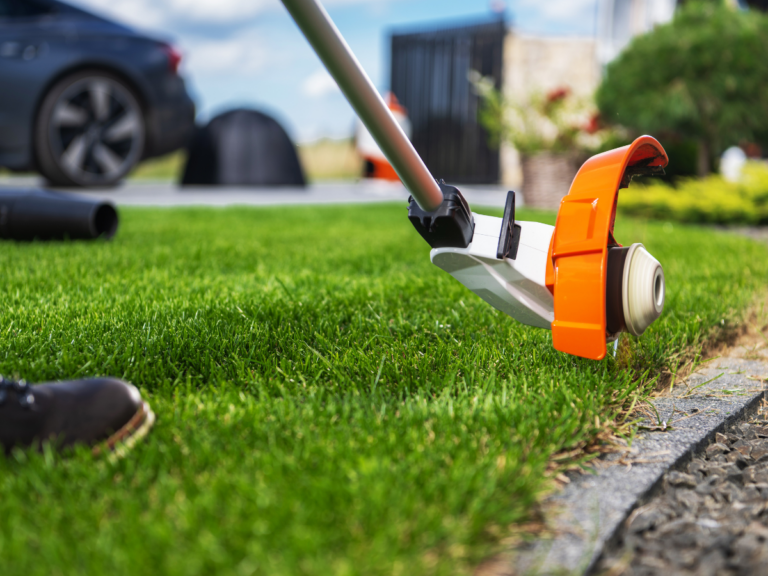
Patios, driveways, and walkways collect more than just dirt over time. Mold, algae, oil stains, and built-up grime can make hardscape surfaces look worn and become slippery or difficult to maintain.
Pressure washing is one of the most effective ways to restore these areas, but using too much force or the wrong technique can damage the surface instead of cleaning it.
Safe pressure washing techniques for hardscapes focus on removing buildup while protecting pavers, concrete, stone, and joint materials from unnecessary wear. Water pressure, nozzle selection, cleaning solutions, and surface type all play an important role in achieving the best results.
With the right methods, you can clean patios and driveways more effectively while preserving the appearance and durability of your outdoor surfaces.
The principles of high-pressure water cleaning extend across numerous sectors, highlighting the universal importance of safety, proper equipment, and precise application techniques.
Pressure Washing Tips for Cleaner Patios and Walkways
What Are The Key Safety Measures For Pressure Washing Hardscape Surfaces?
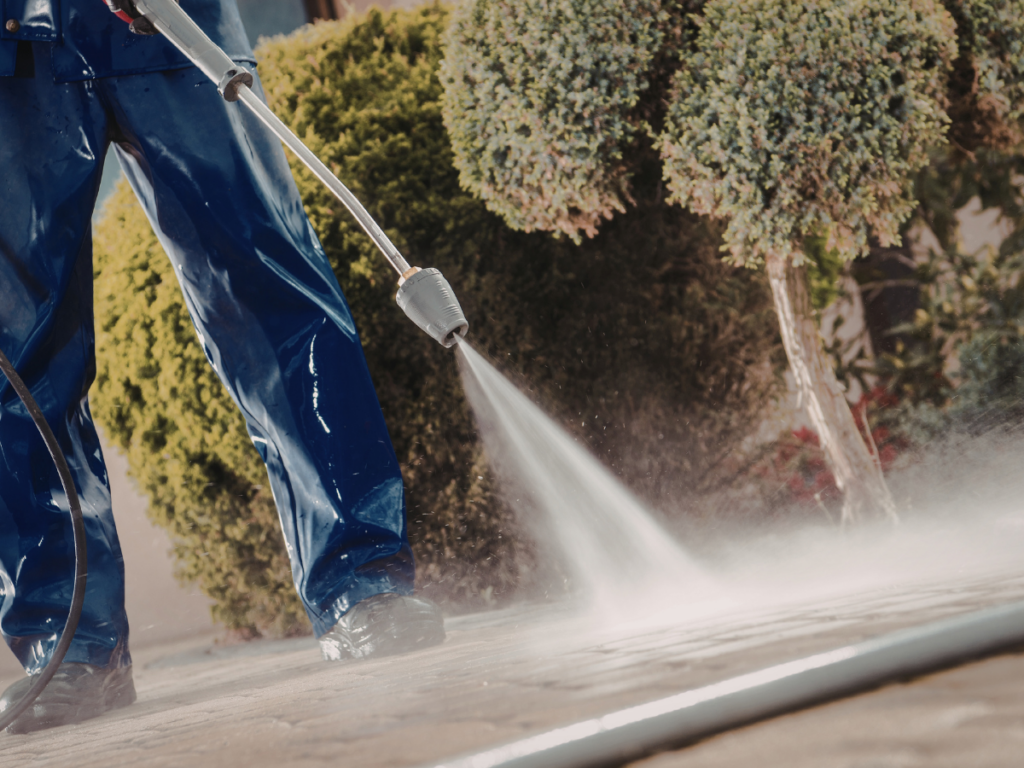
Pressure washing can dramatically improve the appearance of patios, walkways, driveways, retaining walls, and other outdoor surfaces.
However, the equipment used is powerful enough to cause injuries or damage if handled incorrectly. Taking the proper precautions before starting any pressure washing project helps protect both the property and the people nearby.
A careful approach also improves cleaning results. When safety is prioritized, homeowners are more likely to avoid uneven cleaning, damaged materials, or accidental surface erosion during the process.
Wear Proper Protective Equipment
One of the most important safety steps during pressure washing is wearing the right protective gear. High-pressure water can force debris, dirt, or small stones into the air at high speeds, especially when cleaning textured surfaces like concrete or pavers.
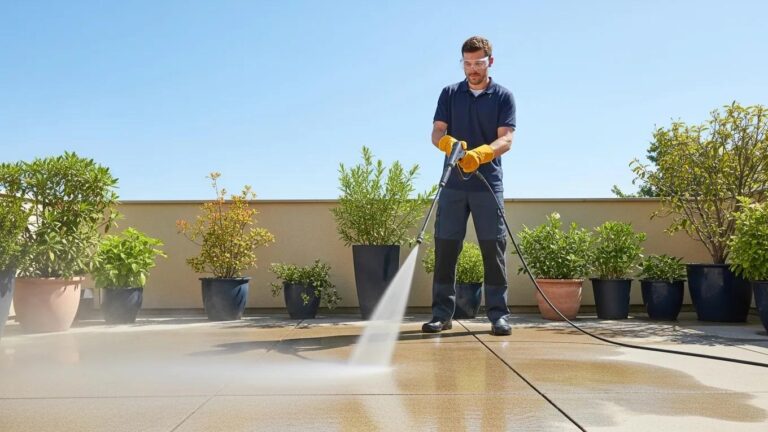
Protective eyewear helps shield the eyes from flying debris, while gloves improve grip and help protect hands from chemicals or rough surfaces. Closed-toe shoes with good traction are also important because wet hardscape surfaces can become slippery quickly.
Long sleeves and durable clothing can provide additional protection during larger pressure washing projects, particularly when cleaning surfaces with heavy buildup or mold growth.
Clear The Area Before Cleaning
Before beginning any pressure washing work, it is important to remove obstacles and keep the surrounding area clear. Outdoor furniture, potted plants, decorations, and loose objects should be moved away from the cleaning zone to prevent accidental damage.
People and pets should also stay clear of the work area while the equipment is operating. Even brief contact with high-pressure spray can cause injuries, especially at close range.
This preparation step is often overlooked, but it helps create a safer and more efficient cleaning process. A clear workspace also makes it easier to move consistently across the surface without interruptions.
Inspect Hardscape Surfaces Before Pressure Washing
Not every outdoor surface responds the same way to pressure washing. Before cleaning begins, inspect the hardscape carefully for cracks, loose joints, chipped stone, or weakened mortar.
Damaged areas may worsen under high pressure, especially if water forces its way into existing cracks. Older concrete, deteriorating pavers, and weathered stone surfaces may require lower pressure settings or gentler cleaning methods.
Testing a small, less visible section first is one of the safest ways to determine how the material reacts before cleaning the entire area. This step can help prevent accidental etching, discoloration, or surface damage.
Use The Correct Pressure Settings
Different hardscape materials require different cleaning approaches. Concrete can usually handle higher pressure levels, while softer materials like natural stone, brick, or decorative pavers may need lower settings to avoid damage.
Using excessive pressure is one of the most common mistakes during pressure washing. Strong spray settings can strip sealants, erode surfaces, remove joint sand, or leave visible streaks across the material.
Keeping the nozzle at a consistent distance from the surface also improves cleaning results and reduces the risk of uneven marks. Slow, controlled movements typically work better than concentrating pressure in one area for too long.
Be Careful With Cleaning Solutions
Some pressure washing projects involve detergents or chemical cleaners to remove algae, mold, grease, or stains. While these products can improve results, they should always be used according to manufacturer instructions.
Certain cleaning solutions may damage nearby plants, discolor surfaces, or create slippery conditions if not rinsed properly. It is also important to avoid mixing chemicals unless specifically directed by the product guidelines.
Rinsing surrounding landscaping with water before and after pressure washing can help protect grass, shrubs, and flowers from accidental exposure to cleaning products.
Why Safe Pressure Washing Matters
Safe pressure washing practices protect more than just the surface being cleaned. They also help prevent injuries, extend the lifespan of outdoor materials, and improve the overall effectiveness of the cleaning process.
When homeowners take the time to prepare properly, inspect surfaces carefully, and use the correct techniques, pressure washing becomes a far more controlled and successful project.
A thoughtful approach reduces unnecessary damage while helping hardscape surfaces look cleaner, brighter, and better maintained over time.
How to Choose the Right Pressure Setting for Patios and Driveways
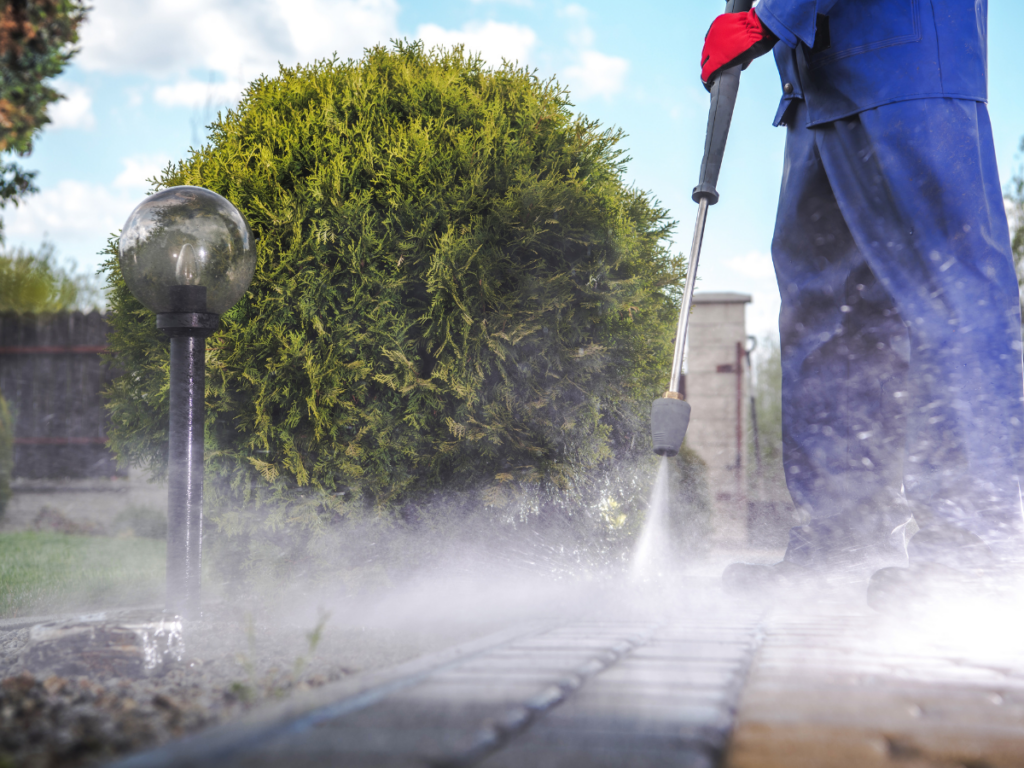
Using the correct pressure setting is one of the most important parts of successful pressure washing. Too little pressure may leave dirt, algae, and stains behind, while too much force can damage the surface, strip protective sealants, or leave visible marks.
Because patios and driveways are made from different materials, there is no single pressure setting that works for every situation. The safest and most effective approach is to match the pressure level to the type of surface being cleaned.
Why Pressure Settings Matter
Different hardscape materials respond differently to pressure washing. Concrete driveways are typically more durable and can handle stronger water pressure, while softer materials like natural stone or older brick may require a gentler approach.
Using excessive pressure can create permanent surface damage. In some cases, it may remove joint sand between pavers, chip corners, or leave uneven streaks across the material. Choosing the proper settings helps preserve the appearance and lifespan of the surface while still delivering a deep clean.
Good pressure washing is not only about power. Technique, nozzle selection, and distance from the surface all play major roles in achieving consistent results.
Consider The Material Before Pressure Washing
Before adjusting the machine settings, identify the material you are cleaning. Concrete is generally one of the most durable hardscape surfaces and can often handle pressure levels between 2,500 and 3,000 PSI without problems.
Brick pavers usually require a more moderate setting, often around 2,000 to 2,500 PSI. This range is typically strong enough to remove dirt and mildew without damaging mortar joints or surface finishes.
Natural stone surfaces need additional caution during pressure washing because certain types of stone can etch or wear down under high pressure. Lower settings between 1,500 and 2,000 PSI are often safer for these materials.
Older patios and weathered surfaces may also need reduced pressure, even if the material itself is normally durable. Age, cracks, and previous damage can weaken hardscape areas over time.
Test A Small Area First
One of the safest pressure washing practices is testing a small, less visible section before cleaning the entire patio or driveway. This allows you to evaluate how the surface reacts to the pressure level and spray pattern.
Testing helps identify potential issues such as discoloration, surface etching, loose mortar, or excessive removal of joint sand before they affect larger areas.
It also gives you a chance to fine-tune the pressure setting if the initial results are too aggressive or not strong enough. This step may take a few extra minutes, but it can prevent costly damage and improve the overall consistency of the cleaning process.
Choose The Right Nozzle For Better Control
Pressure settings alone do not determine cleaning intensity. The nozzle attached to the pressure washer also affects the spray pattern and force of the water.
Wider spray angles distribute water more gently across the surface, making them safer for delicate materials or routine cleaning. Narrower spray patterns concentrate pressure into a smaller area, which increases cleaning power but also raises the risk of damage.
For most residential pressure washing projects, maintaining a balanced spray pattern helps clean surfaces evenly while reducing the chance of visible streaking or surface wear.
Maintain Proper Distance While Cleaning
The distance between the nozzle and the surface can significantly affect cleaning results. Holding the spray too close may create lines, gouges, or uneven cleaning marks, especially on softer materials.
A consistent sweeping motion combined with proper distance usually produces the best results. Moving too slowly over one area can concentrate pressure excessively, while moving too quickly may leave dirt behind.
Successful pressure washing relies on steady, controlled movements rather than simply increasing pressure to maximum levels.
Finding The Right Balance
The best pressure washing results come from balancing cleaning power with surface protection. Patios and driveways often collect years of dirt, algae, mildew, and stains, but removing buildup safely requires the right combination of pressure, technique, and patience.
By understanding how different materials respond to pressure washing and adjusting settings accordingly, homeowners can clean hardscape surfaces effectively while avoiding unnecessary damage.
Which Protective Equipment Ensures Safe Cleaning Practices
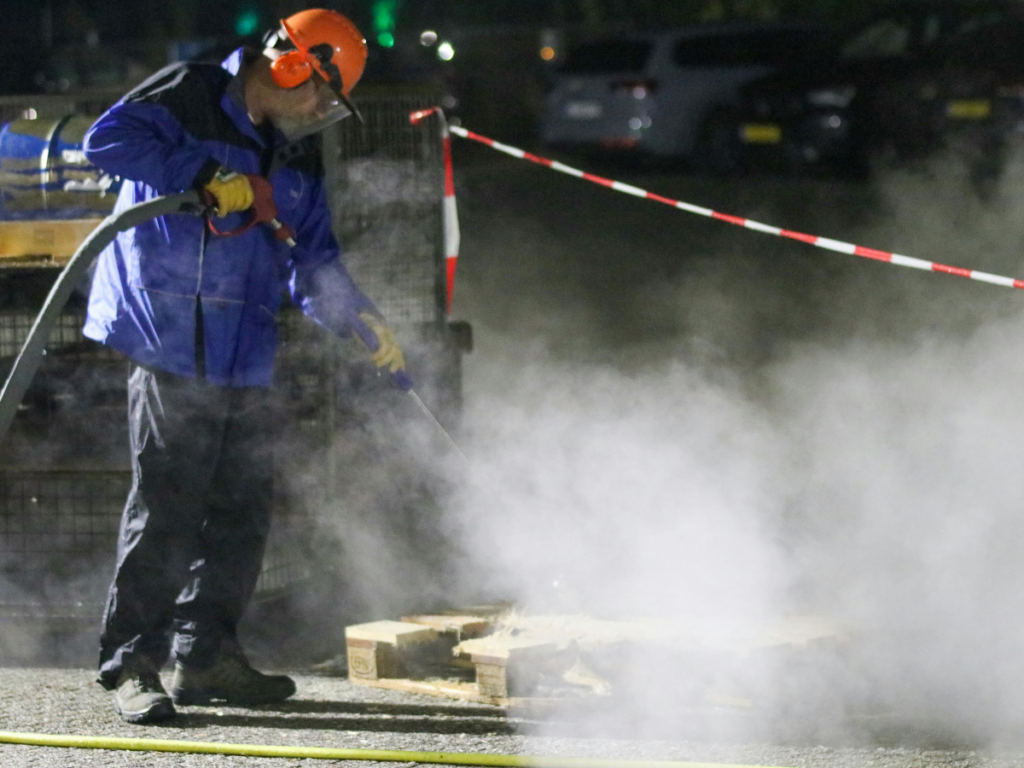
Using proper protective equipment is one of the most important parts of safe pressure washing. The force generated by pressure washers is strong enough to send dirt, debris, and water spray in multiple directions, which can create safety risks if the right precautions are not taken.
Whether you are cleaning a driveway, patio, retaining wall, or walkway, wearing the appropriate gear helps reduce the risk of injury and makes the pressure washing process more controlled and comfortable.
Why Protective Equipment Matters During Pressure Washing
Pressure washing may seem straightforward, but the combination of high-pressure water, slippery surfaces, cleaning chemicals, and airborne debris can create hazardous conditions quickly.
Even small stones, loose gravel, or chipped concrete particles can become dangerous when struck by pressurized water. Protective equipment helps shield the body from these risks while allowing homeowners to clean more confidently and effectively.
Good preparation also improves focus and reduces distractions during the cleaning process. When operators feel protected, they are more likely to maintain proper handling techniques and avoid rushing through the job.
Gloves Help Protect Hands And Improve Grip
Gloves are one of the most basic yet important pieces of safety equipment for pressure washing. Water, cleaning chemicals, and rough surfaces can irritate the skin during longer cleaning sessions, especially when handling hoses, nozzles, and detergents repeatedly.
Durable work gloves also improve grip when surfaces become wet. Pressure washer hoses can shift suddenly during operation, and maintaining control over the equipment is essential for both safety and cleaning accuracy.
Some gloves are specifically designed for wet working conditions, offering better traction and additional protection while handling pressure washing tools and accessories.
Goggles Protect Eyes From Flying Debris
Eye protection is critical during pressure washing because debris can travel at high speeds when struck by concentrated water pressure. Small rocks, dirt, paint chips, and other particles may become airborne without warning.
Safety goggles or sealed protective eyewear help shield the eyes from direct impact and water spray. This is especially important when cleaning textured surfaces such as concrete, brick, or stone, where debris is more likely to scatter.
Clear visibility is also important for maintaining safe operation. Protecting the eyes helps prevent sudden reactions or interruptions that could lead to uneven cleaning or accidental surface damage.
Protective Clothing Reduces Skin Exposure
Long sleeves, durable pants, and closed-toe shoes help reduce direct exposure to water spray, chemicals, and surface debris during pressure washing.
While lightweight clothing may seem more comfortable outdoors, exposed skin is more vulnerable to irritation and accidental contact with high-pressure spray.
Footwear with slip-resistant soles is particularly important because patios, driveways, and walkways often become slippery during cleaning. Stable footing improves balance and helps reduce the risk of falls while maneuvering equipment across wet surfaces.
Protective clothing also becomes more important when using detergents or specialized cleaning solutions to remove mold, mildew, grease, or algae buildup.
Additional Safety Equipment To Consider
Depending on the size of the project and the environment, additional protective equipment may also be helpful. Hearing protection can reduce exposure to engine noise from gas-powered pressure washers during longer jobs.
In areas with heavy mold, mildew, or dust buildup, some homeowners choose to wear face masks or respirators to avoid inhaling airborne particles loosened during pressure washing.
While not every project requires extensive gear, evaluating the work area beforehand helps determine what level of protection is appropriate.
Safe Pressure Washing Starts With Preparation
Pressure washing is most effective when safety and technique work together. Protective equipment does more than prevent injuries. It also helps homeowners maintain better control of the equipment and work more comfortably throughout the cleaning process.
Taking a few extra minutes to wear gloves, eye protection, proper footwear, and protective clothing can make a significant difference during pressure washing projects.
With the right preparation, patios, driveways, and other hardscape surfaces can be cleaned thoroughly while minimizing unnecessary risks.
How To Select The Best Equipment For Professional Hardscape Surface Cleaning
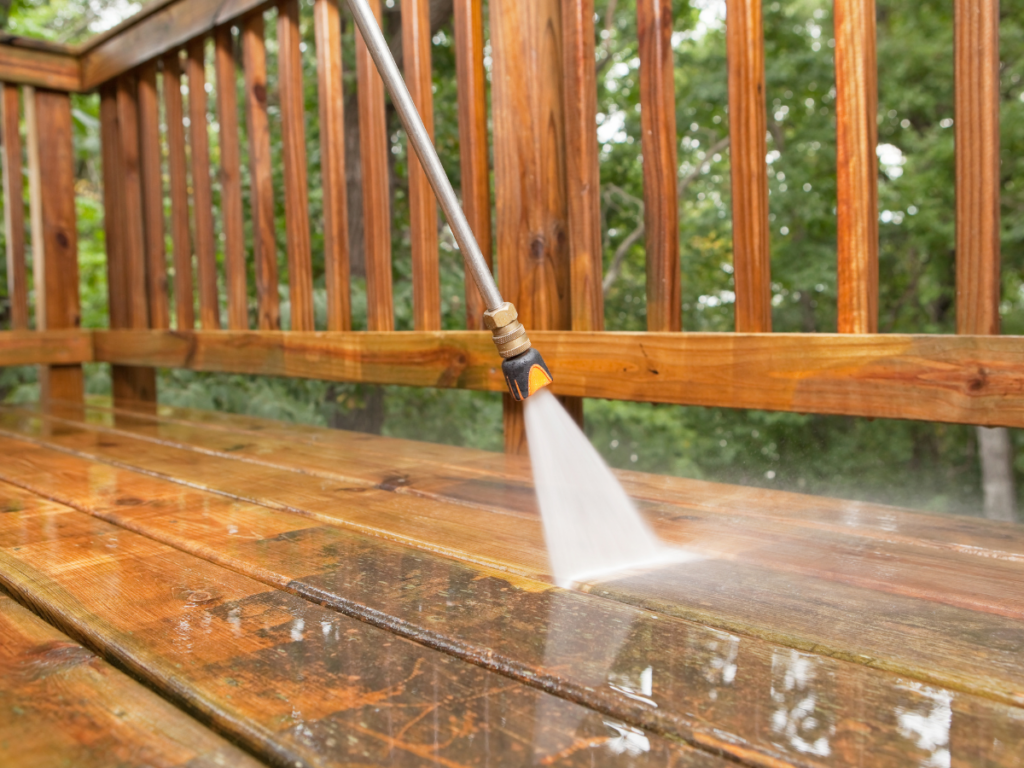
Choosing the right equipment plays a major role in the success of any pressure washing project. Different hardscape materials respond differently to water pressure, cleaning solutions, and spray patterns, so using the proper tools helps improve cleaning results while reducing the risk of surface damage.
Patios, driveways, retaining walls, pavers, and stone walkways all have unique cleaning needs. The best pressure washing setup depends on the surface material, the level of buildup, and the type of stains being removed.
Why Equipment Selection Matters In Pressure Washing
Not all pressure washers are designed for the same type of work. Smaller residential machines may work well for light seasonal cleaning, while larger surfaces with deep stains often require more powerful equipment.
Using the wrong machine can create several problems. Low-powered equipment may struggle to remove grime effectively, leading to uneven cleaning and wasted time.
On the other hand, machines with excessive pressure can damage concrete, strip protective sealants, or erode softer materials like brick and natural stone.
Selecting the right pressure washing equipment helps balance cleaning power with surface protection, which is especially important for decorative or aging hardscape features.
Electric Vs. Gas Pressure Washers
One of the first decisions homeowners usually make is whether to use an electric or gas-powered pressure washer. Both options have advantages depending on the size and complexity of the project.
Electric pressure washers are commonly used for lighter cleaning tasks. They are quieter, easier to maintain, and typically simpler to operate. These machines often work well for smaller patios, outdoor furniture, vinyl surfaces, and light dirt buildup.
Gas-powered models provide significantly more cleaning power and are better suited for larger or more demanding pressure washing projects.
Concrete driveways, brick surfaces, and heavily stained hardscape areas often benefit from the higher PSI levels gas machines can deliver. Because gas models are more powerful, they also require greater control and experience to avoid accidental surface damage.
The Importance Of Adjustable PSI Settings
Pressure output is measured in PSI, or pounds per square inch, and adjustable settings are one of the most useful features in a pressure washer.
Different surfaces require different pressure levels. Concrete can generally tolerate higher PSI ranges, while softer materials like sandstone or older brick may need lower settings to prevent chipping or erosion.
A pressure washing machine with adjustable PSI allows users to adapt the cleaning intensity based on the material being cleaned, rather than relying on a fixed pressure output for every surface.
This flexibility becomes especially useful when cleaning mixed hardscape areas that include stone borders, concrete walkways, pavers, and decorative features within the same space.
Choosing The Right Equipment For Specific Surfaces
Different types of pressure washers are better suited for different cleaning situations.
Electric models are often ideal for lighter residential cleaning and surfaces that require a gentler approach. These machines commonly operate in the 1,300 to 2,000 PSI range and are suitable for wood, vinyl, light patio cleaning, and routine maintenance.
Gas pressure washers are typically used for heavier-duty pressure washing projects. With PSI ranges between 2,500 and 4,000, they are more effective for removing deep stains, algae, mildew, and grime from concrete, brick, and stone surfaces.
Hot water pressure washers are another option for specialized cleaning situations. These systems are particularly effective for removing grease, oil stains, and stubborn buildup because heated water helps break down contaminants more efficiently than cold water alone.
Why Nozzles And Accessories Matter
The pressure washer itself is only part of the equation. Nozzle selection, hoses, surface cleaners, and extension attachments all influence cleaning performance. Wider spray nozzles distribute water more gently and are safer for delicate materials, while narrow nozzles concentrate pressure for tougher stains.
Surface cleaner attachments can also improve consistency during large driveway or patio cleaning projects by reducing streaking and uneven spray patterns.Successful pressure washing often comes down to combining the right machine with the right accessories for the specific surface being cleaned.
Investing In Reliable Equipment
Reliable equipment can make pressure washing safer, faster, and more effective. Well-known brands such as Karcher and Simpson are often recognized for durability and consistent performance across a variety of residential and professional cleaning tasks.
Choosing quality equipment also improves long-term reliability and helps reduce maintenance issues over time. Whether handling basic seasonal cleaning or larger hardscape restoration projects, selecting the proper pressure washing setup helps deliver better results while protecting outdoor surfaces from unnecessary wear.
How Do Eco-Friendly Cleaning Agents Enhance Safety and Effectiveness?
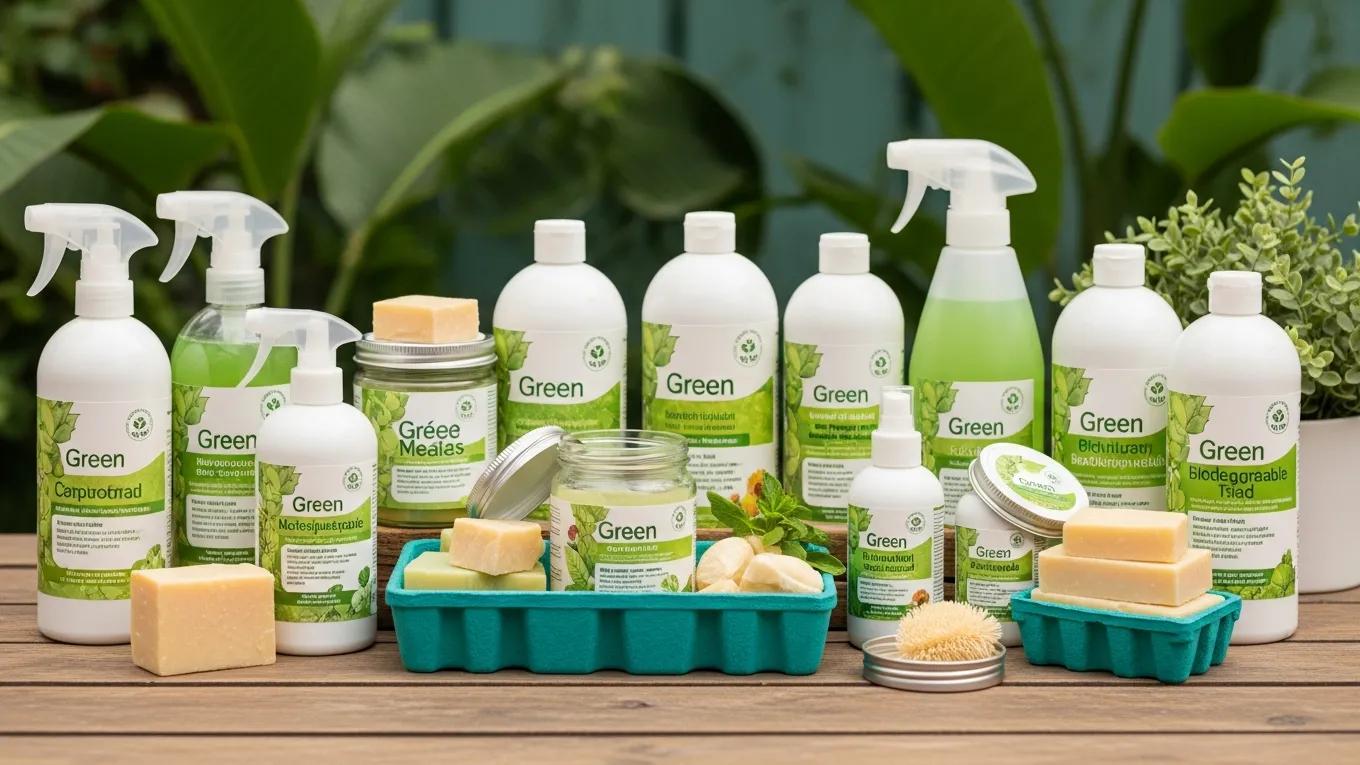
Using environmentally friendly products during pressure washing has become increasingly important for homeowners who want effective cleaning results without exposing their property, landscaping, or surrounding environment to unnecessary chemicals.
Traditional cleaners can sometimes contain harsh ingredients that leave behind strong residues or damage nearby plants and outdoor surfaces. Eco-friendly cleaning solutions offer a safer alternative while still delivering strong cleaning performance for patios, driveways, retaining walls, and other hardscape areas.
When paired with proper pressure washing techniques, these cleaners can help remove dirt, algae, mildew, grease, and stains while minimizing environmental impact.
Why Eco-Friendly Cleaning Products Matter
Pressure washing often involves more than water alone. In many cases, cleaning solutions are used to loosen buildup and improve stain removal. Because runoff can spread into landscaping, storm drains, and nearby soil, the type of cleaner used matters more than many homeowners realize.
Eco-friendly products are designed to break down naturally after use. This reduces the risk of introducing harmful chemicals into the environment while still allowing surfaces to be cleaned effectively.
For homeowners with gardens, lawns, pets, or outdoor living areas, choosing safer cleaning products can help protect the spaces surrounding the cleaning project.
The Benefits Of Biodegradable Cleaning Solutions
One of the biggest advantages of eco-friendly pressure washing products is biodegradability. Biodegradable cleaners naturally decompose over time instead of lingering in soil or water systems.
This makes them a safer option for residential cleaning projects where runoff may reach flower beds, grass, or nearby drainage areas.
Many modern biodegradable products are specifically formulated for hardscape cleaning and are capable of removing mold, mildew, algae, and organic buildup without relying on overly aggressive chemicals.
In addition to environmental benefits, biodegradable products often produce fewer harsh fumes and odors, creating a more comfortable cleaning experience overall.
Safer For Plants, Grass, And Pets
One common concern during pressure washing is protecting the surrounding landscaping. Strong chemical cleaners can discolor plants, damage grass, or leave residues that may be harmful to pets.
Eco-friendly cleaning agents reduce these risks because they are typically formulated with less toxic ingredients. While homeowners should still rinse nearby plants and follow product instructions carefully, environmentally conscious cleaners are generally gentler on outdoor environments.
This is especially important when cleaning patios, pool decks, walkways, and driveways located near gardens or heavily landscaped areas. Using safer products allows homeowners to maintain clean surfaces without worrying as much about accidental damage to surrounding vegetation.
Effective On Common Outdoor Stains
Some homeowners assume eco-friendly products are less effective than traditional cleaners, but many modern formulas are designed specifically to handle tough outdoor buildup.
Pressure washing solutions made with biodegradable ingredients can still break down dirt, mildew, algae, grease, and surface stains effectively when used correctly.
In many cases, the cleaning process relies on a combination of water pressure, dwell time, and proper application techniques rather than harsh chemical strength alone.
For example, algae and mildew on concrete patios often respond well to oxygen-based or plant-safe cleaners when paired with the correct pressure washing settings. Oil stains on driveways may still require specialty products, but environmentally conscious options are increasingly available for these situations as well.
Supporting Long-Term Surface Care
Eco-friendly cleaning practices can also help preserve certain hardscape materials over time. Some harsh chemical cleaners may gradually weaken sealants, discolor stone, or contribute to premature surface wear.
Using gentler pressure washing solutions helps reduce unnecessary stress on decorative concrete, natural stone, pavers, and brick surfaces. This approach can be especially beneficial for older hardscapes or premium materials that require more careful maintenance.
When combined with proper pressure settings and regular upkeep, eco-friendly cleaning products support both surface longevity and overall curb appeal.
Creating A Safer Pressure Washing Routine
A safer cleaning process benefits more than just the environment. Homeowners, pets, children, and outdoor living spaces all benefit from reduced chemical exposure during routine maintenance.
Choosing environmentally responsible products for pressure washing allows homeowners to clean outdoor surfaces effectively while taking a more balanced approach to property care.
With modern biodegradable formulas now offering strong cleaning performance, eco-friendly solutions have become a practical option for both residential maintenance and larger hardscape cleaning projects.
What Is The Step-By-Step Process For Safe Pressure Washing Of Patios And Driveways?
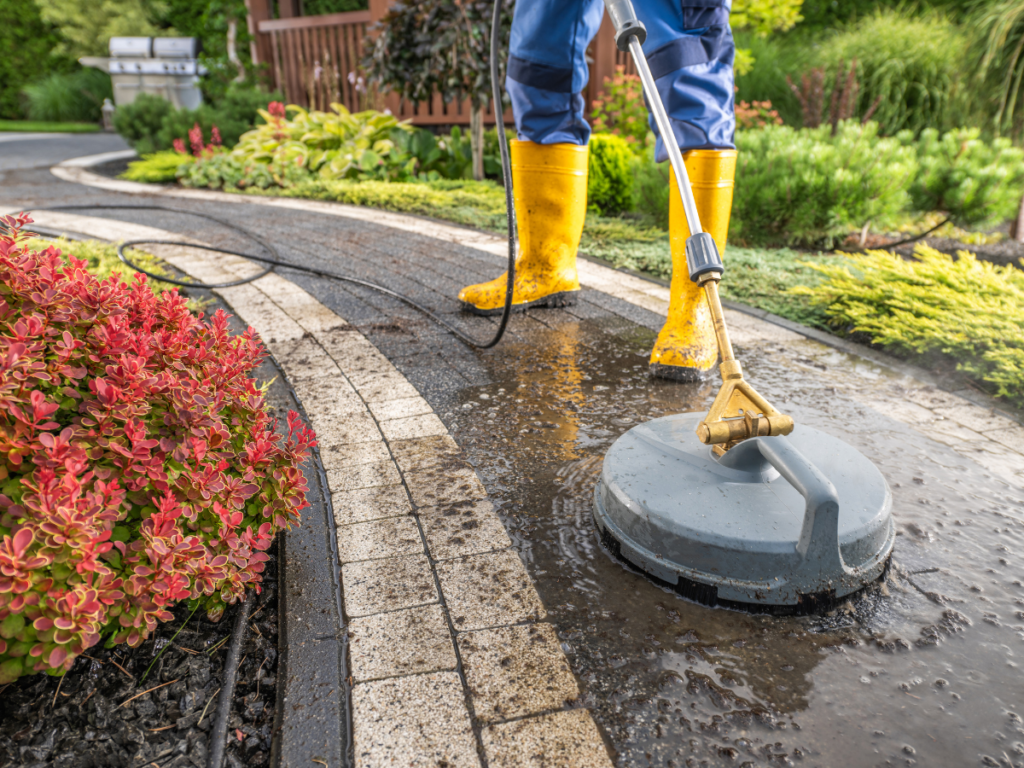
A careful approach to pressure washing helps protect hardscape surfaces while delivering a deeper, more even clean.
Patios, driveways, walkways, and paver surfaces can collect dirt, algae, mildew, oil stains, and debris over time, but using the wrong techniques may damage the material instead of improving it.
Following a step-by-step process allows homeowners to complete pressure washing safely while reducing the risk of surface etching, loose joints, or uneven cleaning results.
Preparing The Area Before Pressure Washing
Preparation is one of the most important parts of any pressure washing project. Before turning on the equipment, clear the entire area of outdoor furniture, planters, grills, rugs, and decorative items that could get damaged or block access to the surface.
Once the area is clear, thoroughly sweep the patio or driveway to remove loose dirt, leaves, sand, and debris. This prevents buildup from interfering with the cleaning process and helps the pressure washer work more effectively.
It is also important to inspect the hardscape surface before cleaning begins. Look for cracked pavers, loose stones, damaged grout lines, or weakened concrete. High-pressure water can worsen existing damage if these areas are not identified ahead of time.
Checking Cleaning Products And Equipment
Not all surfaces require the same cleaning approach. Before pressure washing, confirm that any cleaning solution being used is compatible with the material being cleaned. Some natural stone surfaces, for example, can react poorly to harsh chemicals or excessive pressure.
Using the correct pressure washer settings is equally important. Concrete typically tolerates higher pressure, while brick, pavers, and natural stone often require a gentler approach.
Many homeowners choose pressure washers with adjustable PSI settings because they provide more flexibility for different surfaces.
Before cleaning the entire area, test both the pressure setting and cleaning solution on a small, less visible section. This helps confirm that the surface can handle the pressure without discoloration, streaking, or damage.
Using Proper Pressure Washing Techniques
A consistent cleaning pattern helps produce more even results during pressure washing. In most cases, it is best to begin at the highest point of the surface and work downward so water and debris naturally flow away from cleaned areas.
Keep the spray wand moving steadily instead of concentrating pressure in one spot for too long. Holding the nozzle too close to the surface or pausing repeatedly in the same area can create visible marks or surface wear.
Using overlapping strokes also improves consistency. Slightly overlap each pass to prevent streaks and missed sections, especially on large driveways or patios with visible buildup.
For stubborn stains, it is usually safer to make multiple lighter passes instead of relying on maximum pressure immediately. This reduces the likelihood of surface damage while still improving cleaning performance.
Techniques That Help Prevent Surface Damage
Safe pressure washing depends on balancing cleaning power with surface protection. One of the most common mistakes homeowners make is using excessive pressure for delicate materials.
Natural stone, decorative concrete, and older pavers may require lower PSI settings and wider spray angles to avoid chipping or etching. Choosing the correct nozzle also plays a major role in protecting surfaces during cleaning.
Maintaining a consistent distance between the spray tip and the surface helps distribute pressure evenly. Standing too close increases the force dramatically and may leave permanent marks.
After using any detergent or cleaning solution, rinse the area thoroughly to prevent residue buildup. Leftover cleaning products can sometimes discolor surfaces or attract dirt more quickly after the job is complete.
Completing A Post-Cleaning Inspection
Once the pressure washing is finished, allow the surface to dry and inspect the area carefully. Look for missed spots, uneven cleaning patterns, or areas where stains may need additional treatment.
This final inspection is also a good opportunity to identify any surface repairs that may have become more visible after cleaning. Cracks, loose joints, or worn sealant often stand out more clearly once dirt and buildup have been removed.
When done properly, pressure washing can significantly improve the appearance of patios and driveways while extending the life of hardscape surfaces. A careful, methodical approach helps homeowners achieve cleaner results while protecting the materials underneath.
How To Maintain Hardscape Longevity After Pressure Washing
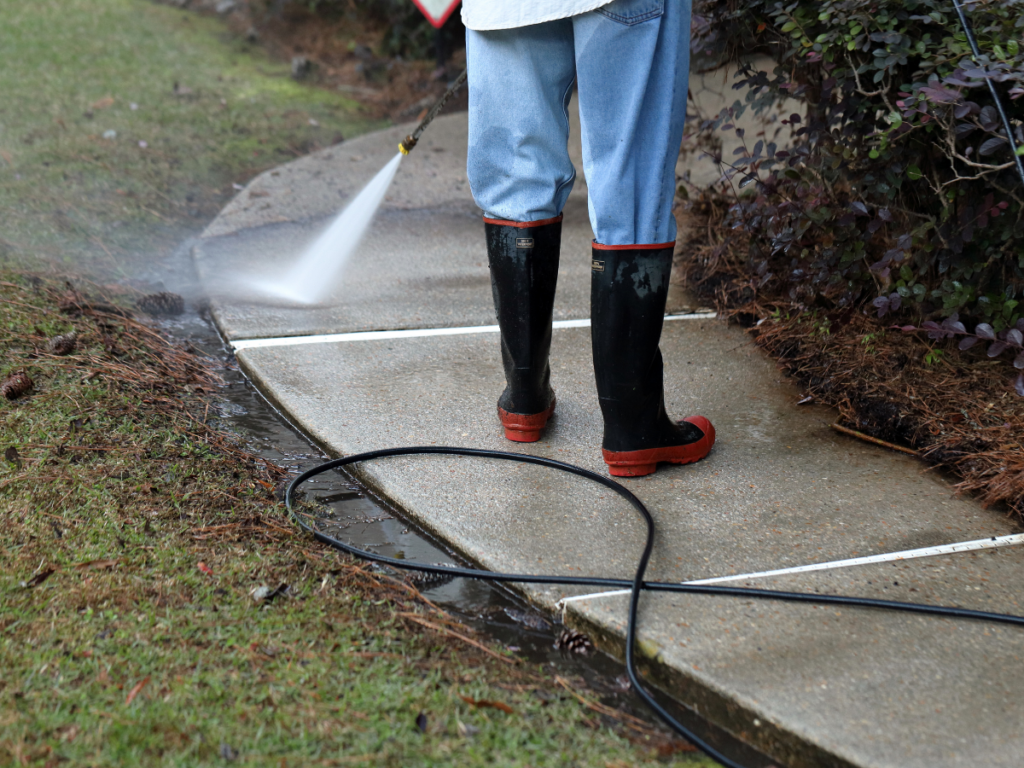
Pressure washing can dramatically improve the appearance of patios, driveways, walkways, and other outdoor surfaces, but long-term results depend on proper maintenance afterward. Without ongoing care, dirt, algae, stains, and moisture buildup can quickly return and shorten the lifespan of hardscape materials.
A good maintenance routine helps preserve the clean appearance created by pressure washing while protecting surfaces from premature wear, cracking, and discoloration over time.
Why Post-Cleaning Maintenance Matters
After a thorough pressure washing, hardscape surfaces are free from much of the dirt, mold, mildew, and debris that gradually break down materials. However, outdoor surfaces are constantly exposed to weather, foot traffic, moisture, and organic buildup.
Without regular upkeep, contaminants can begin accumulating again within weeks, especially in shaded or high-traffic areas. Moisture trapped beneath debris may also contribute to staining, slippery surfaces, and gradual deterioration.
Maintaining hardscapes after pressure washing helps extend the life of the material while reducing the need for more aggressive cleaning or costly repairs later on.
Establishing A Regular Cleaning Routine
One of the simplest ways to protect patios and driveways is by keeping them consistently clean between deep cleaning sessions. Regular sweeping removes leaves, dirt, sand, and organic debris before they settle into joints, cracks, or porous surfaces.
Weekly or biweekly cleaning is often enough for most residential hardscapes. Areas with heavy tree coverage, high foot traffic, or frequent rainfall may require more attention to prevent buildup from becoming embedded in the surface.
Light rinsing with a garden hose can also help remove surface dust and pollen between larger pressure washing sessions.
The Importance Of Sealing Hardscape Surfaces
Applying a protective sealant after pressure washing can significantly improve the durability of certain hardscape materials. Sealants create a protective barrier that helps resist water penetration, stains, UV exposure, and organic growth.
Concrete driveways, pavers, and natural stone surfaces often benefit from sealing because these materials can absorb moisture over time. A properly sealed surface is generally easier to clean and less likely to develop deep staining.
The timing of sealant application matters as well. Surfaces should be fully dry after pressure washing before any protective coating is applied. Depending on weather conditions, this may take a day or longer.
Monitoring For Cracks And Surface Damage
Routine inspections are another important part of hardscape maintenance. Small cracks, loose pavers, shifting joints, or worn areas may not seem serious initially, but they can worsen over time if ignored.
Pressure washing often makes existing damage easier to spot because dirt and buildup no longer hide problem areas. Addressing repairs early can help prevent water intrusion and larger structural issues later.
Driveways and patios that experience freeze-thaw cycles or heavy vehicle traffic may require more frequent inspections to maintain long-term stability.
How Often Professional Pressure Washing Is Needed
The ideal frequency for professional pressure washing depends on the environment and how the surface is used. In many cases, patios and driveways benefit from a thorough cleaning once a year to remove deep buildup and restore appearance.
Homes located near trees, high humidity, or areas with heavy rainfall may require more frequent pressure washing because mildew and organic stains tend to develop faster under these conditions.
High-traffic driveways may also accumulate oil stains, tire marks, and dirt more quickly than less frequently used surfaces. Regular maintenance helps prevent these stains from becoming permanent.
Long-Term Benefits Of Consistent Hardscape Care
Ongoing maintenance after pressure washing does more than improve appearance. It also helps preserve the structural integrity of outdoor surfaces and protects the investment homeowners have made in their landscaping and hardscape design.
Clean, well-maintained patios and driveways are less likely to develop slippery buildup, deep staining, or premature deterioration. Consistent care also reduces the need for aggressive cleaning methods that can sometimes wear down delicate materials over time.
For homeowners who prefer professional assistance, companies like Atlanta Hardscape Kings provide pressure washing and hardscape maintenance services designed to help outdoor surfaces stay clean, protected, and visually appealing throughout the year.
Conclusion
Proper pressure washing techniques can help restore the appearance of patios, driveways, walkways, and other hardscape surfaces without causing unnecessary damage.
Using the right water pressure, cleaning solutions, and surface-specific methods is essential for removing dirt, stains, algae, and buildup while preserving the integrity of your hardscaping materials.
Whether your outdoor surfaces need routine maintenance or a deeper professional cleaning, working with experienced specialists can help keep your property looking its best year-round.
For reliable hardscape maintenance, choose Atlanta Hardscape Kings. Ready to refresh your outdoor surfaces? Call (470) 665-5283 or fill out the website form to get your free estimate today.