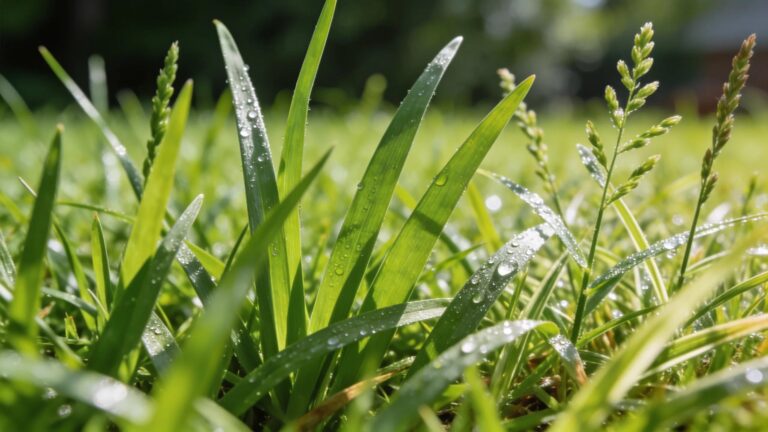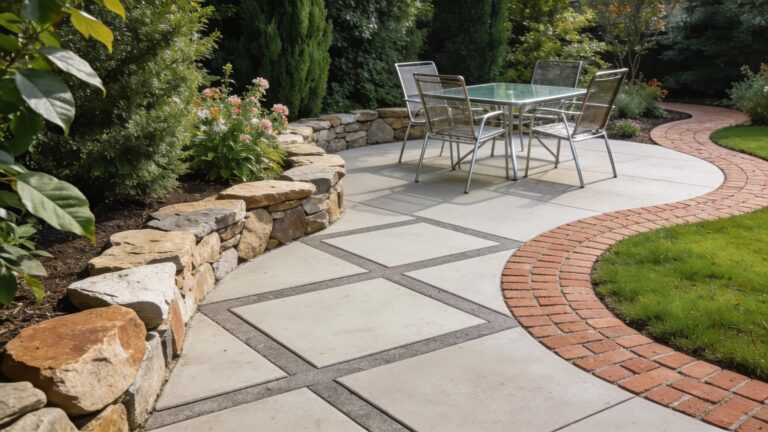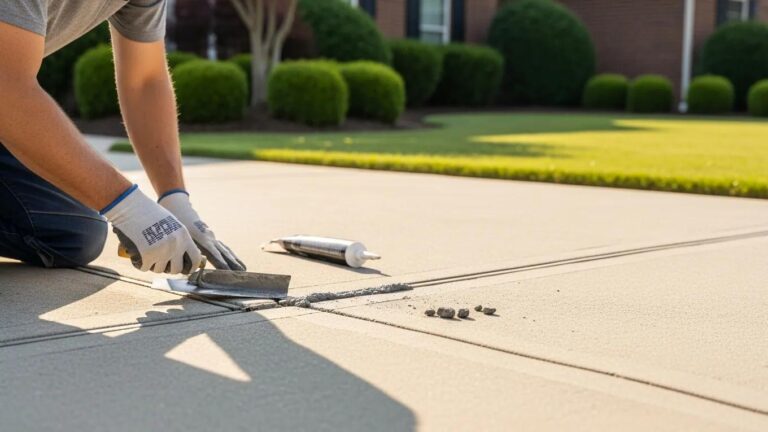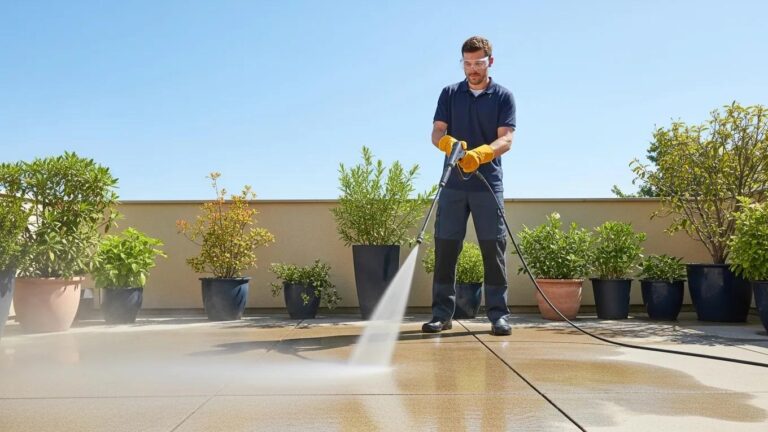
Weeds pushing through patio joints and paver cracks can quickly make an otherwise clean outdoor space look neglected. Beyond appearance, uncontrolled growth can trap moisture, shift pavers, and gradually weaken the stability of your hardscape.
Keeping these areas clear requires more than occasional pulling or temporary treatments. Effective weed control for pavers and patios focuses on long-term prevention as well as removal.
Professional solutions often include joint stabilization, targeted treatments, proper drainage, and maintenance strategies designed to stop weeds from returning as quickly. Addressing the root cause helps protect both the appearance and structure of the surface.
With the right approach, patios, walkways, and paver areas can stay cleaner, more stable, and easier to maintain throughout the year.
Weed Control Tips for Cleaner Pavers and Patios
Professional Weed Control Solutions For Pavers And Patios
Keeping weeds out of patios, walkways, and paver surfaces can be more challenging than many homeowners expect. Even well-installed hardscapes eventually develop small gaps where dirt, moisture, and organic debris collect.
Once weed seeds settle into those spaces, growth can spread quickly and affect both the appearance and stability of the surface.
Professional weed control solutions are designed to address the root causes of recurring weed problems instead of only removing visible growth temporarily.
A properly maintained hardscape not only looks cleaner but also lasts longer because weeds can gradually shift pavers, weaken joint materials, and trap excess moisture.
Unlike quick DIY fixes that may only provide short-term results, professional services focus on long-term prevention strategies that support the structural integrity of patios, driveways, and walkways.
How Permeable Pavers Help Reduce Weed Growth
One of the more effective modern approaches to weed control involves the installation of permeable pavers. These systems are designed to allow water to drain through the surface rather than pooling between joints or around the base of the pavers.
Excess moisture is one of the main conditions that encourages weed growth. When water drains properly, the environment becomes less favorable for invasive plants to establish roots. Better drainage also helps reduce erosion and minimizes standing water that can weaken the surrounding hardscape over time.
Permeable pavers offer an additional advantage by improving overall surface durability. Because water moves more efficiently through the system, there is often less pressure buildup beneath the pavers during heavy rainfall.
This can help maintain a more stable patio or walkway while supporting long-term weed control efforts.
What Role Does Polymeric Sand Play In Weed Control?
Polymeric sand is another widely used professional solution for preventing weeds between pavers. Unlike traditional joint sand, polymeric sand contains additives that harden when activated with water. Once cured, the material forms a firmer barrier between pavers that helps block weed seeds from settling into the joints.
This hardened surface also helps reduce insect activity and discourages erosion caused by rainfall or routine cleaning. In many cases, polymeric sand becomes one of the most important components of an effective weed control strategy because it strengthens the spaces most vulnerable to unwanted growth.
While polymeric sand is highly effective, proper installation is essential. If the material is not applied evenly or activated correctly, gaps can still develop over time. Professional installation helps ensure the joints are filled thoroughly and cured properly for maximum durability.
Why Ongoing Maintenance Is Important For Weed Prevention
Even high-quality hardscapes require regular maintenance to remain weed-resistant. Dirt, leaves, and organic debris naturally accumulate between pavers, especially in shaded or damp areas. Over time, this buildup creates an environment where weeds can return if surfaces are not cleaned and inspected routinely.
Professional weed control services often include periodic maintenance to identify early signs of growth before weeds spread across larger sections of the patio or walkway. This preventative approach is usually more cost-effective than waiting until weeds become deeply rooted and difficult to remove.
Maintenance may also involve refreshing joint sand, checking drainage performance, and cleaning surface buildup that contributes to moisture retention. These small adjustments can make a significant difference in preserving the appearance and functionality of outdoor spaces.
How Professional Weed Control Protects Property Value
Well-maintained patios and paver systems contribute significantly to curb appeal and overall property presentation. Weeds growing through joints or cracks can quickly make even a high-end outdoor space appear neglected.
Professional weed control helps preserve the clean, finished look homeowners expect from their hardscapes while also protecting the investment made in the installation itself. Regular care reduces the likelihood of shifting pavers, drainage problems, and structural deterioration caused by invasive root systems.
For homeowners looking for long-term results, combining preventative materials like polymeric sand with routine professional maintenance often provides the most reliable solution.
Companies such as Atlanta Hardscape Kings may incorporate these methods as part of broader hardscape maintenance and patio preservation services designed to keep outdoor living areas functional and visually appealing year-round.
Techniques For Lasting Hardscape Maintenance
Long-term weed control in patios, walkways, and paver surfaces depends heavily on consistent maintenance. Even professionally installed hardscapes can eventually develop small gaps where dirt, moisture, and organic material collect.
Once that buildup occurs, weeds can quickly begin to grow between the joints and spread across the surface. Routine care helps stop these problems before they become more difficult and expensive to address. Instead of reacting to heavy weed growth after it appears, proactive hardscape maintenance focuses on prevention.
This approach not only improves appearance but also helps preserve the structural integrity of the pavers over time. For homeowners investing in outdoor living spaces, combining proper upkeep with reliable weed control methods is one of the best ways to protect the value and appearance of the property.
How Routine Cleaning Helps Prevent Weed Growth
One of the simplest yet most effective weed control techniques is regular surface cleaning. Leaves, dirt, grass clippings, and other debris often settle into the joints between pavers. Over time, this material breaks down and creates a perfect environment for weeds to take root.
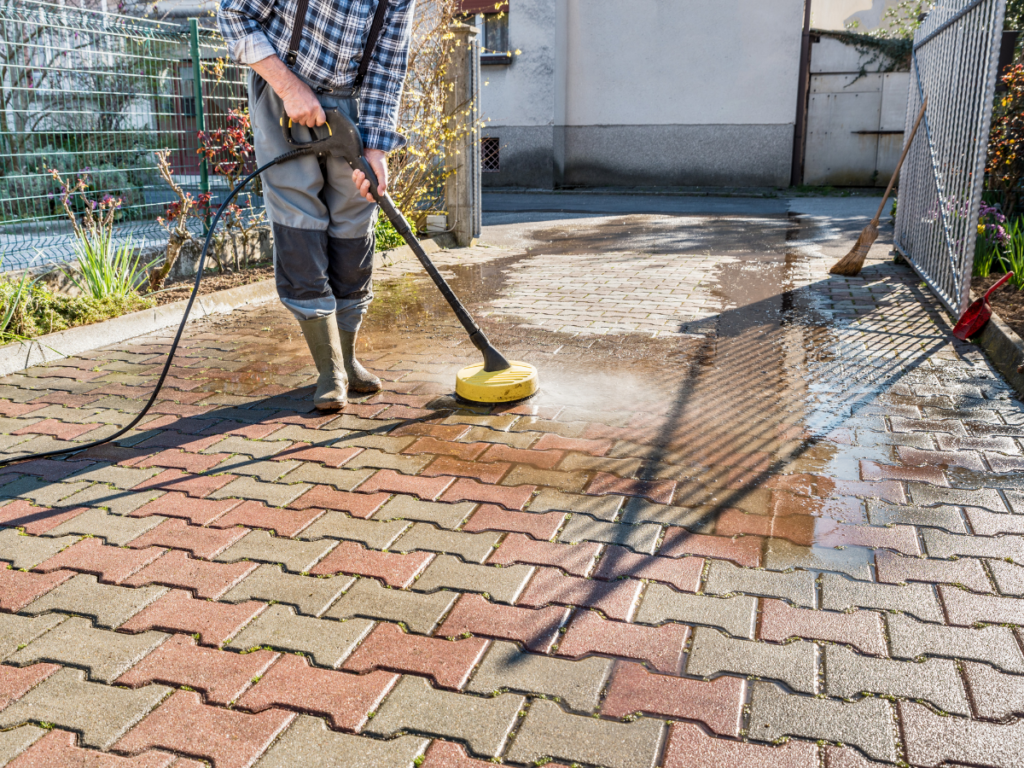
Sweeping patios and walkways frequently helps eliminate the organic matter that weed seeds rely on to grow. Occasional pressure washing can also remove buildup that standard sweeping may miss, especially in shaded or damp areas where moss and algae tend to develop.
Routine cleaning does more than improve curb appeal. It also reduces moisture retention on the surface, which is another major contributor to weed growth. Keeping hardscapes clean and dry creates conditions that are far less favorable for invasive plants.
Why Joint Maintenance Is Essential
The joints between pavers are often the most vulnerable part of any hardscape system. As weather conditions change and foot traffic increases, joint materials can slowly wear down or shift out of place. Once those spaces open up, weed seeds can settle into the gaps and begin growing beneath the surface.
Inspecting joints regularly allows homeowners to catch small issues before they become widespread problems. Replenishing joint sand when needed helps maintain stability while reducing opportunities for weeds to develop.
Many professionals recommend polymeric sand for added protection because it hardens after installation and creates a stronger barrier between pavers.
Proper joint maintenance also helps reduce water intrusion, erosion, and shifting that may eventually damage the overall hardscape. When weed control efforts repeatedly fail, weakened or deteriorating joints are often one of the primary causes.
How Sealing Supports Long-Term Hardscape Protection
Applying a quality sealant is another effective way to improve weed control and extend the lifespan of paver surfaces. Sealants create a protective barrier that helps reduce moisture absorption while making it more difficult for weeds to establish themselves between joints.
In addition to limiting weed growth, sealing can help preserve the color and finish of the hardscape. Many patios and walkways are constantly exposed to sunlight, rain, and changing temperatures, all of which contribute to gradual wear.
A properly applied sealant helps protect the surface from staining, fading, and moisture-related damage. Sealing also simplifies ongoing maintenance because debris and dirt are easier to remove from protected surfaces.
For homeowners looking for a lower-maintenance outdoor space, this added layer of protection can make a noticeable difference over time.
The Value Of Professional Hardscape Maintenance
While basic cleaning and inspections can be handled by homeowners, professional maintenance services often provide more thorough long-term protection. Experienced hardscape professionals can identify drainage issues, damaged joints, surface movement, and early weed growth before those problems escalate.
Professional weed control services may also include deep cleaning, re-sanding joints, resealing surfaces, and repairing sections affected by moisture or root intrusion. These preventative measures help maintain both the appearance and durability of patios, driveways, and walkways.
Companies such as Atlanta Hardscape Kings may offer specialized hardscape maintenance services designed to reduce weed growth while protecting outdoor surfaces from long-term wear.
Combining routine upkeep with professional support gives homeowners a more reliable strategy for preserving clean, attractive hardscapes year-round.
Best Practices For Preventing Weed Growth In Hardscapes
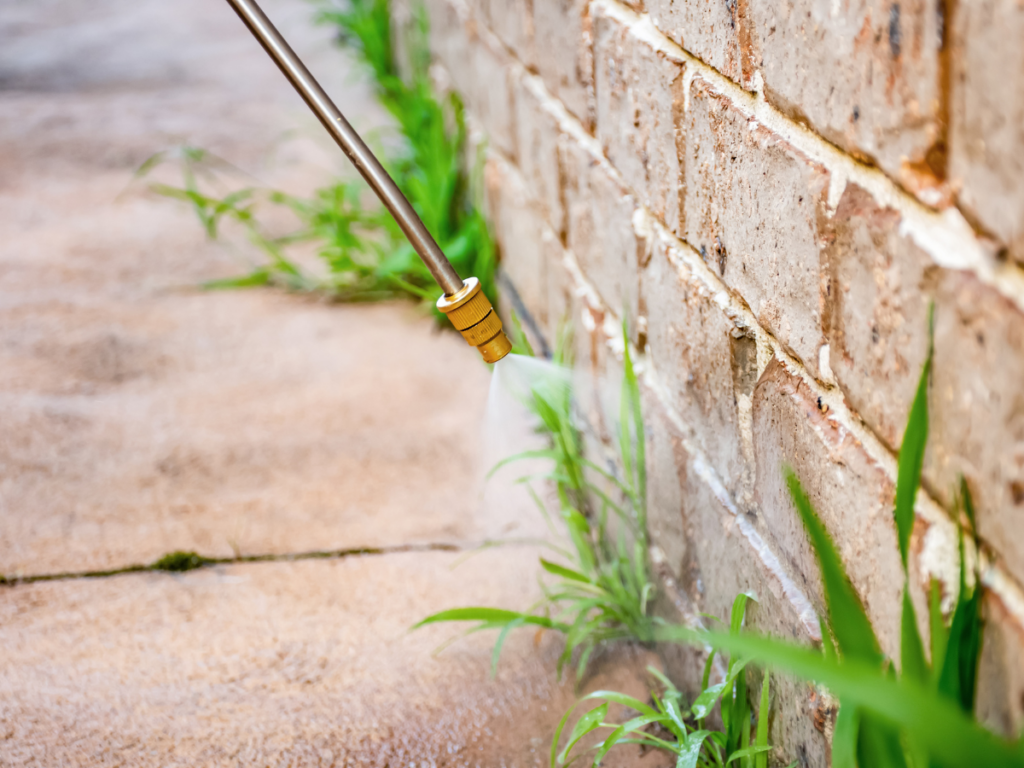
When it comes to maintaining patios, walkways, and paver surfaces, prevention is often far more effective than repeatedly removing weeds after they appear.
Once weeds establish roots between pavers, they can spread quickly and create ongoing maintenance issues. A proactive weed control plan helps homeowners reduce future growth while protecting the appearance and durability of their outdoor spaces.
Preventative maintenance also minimizes the need for harsh chemical treatments or frequent repairs. By focusing on installation quality, routine inspections, and protective materials, homeowners can create conditions that make it much harder for weeds to take hold in the first place.
Long-term weed control is usually most successful when multiple prevention methods work together rather than relying on a single solution.
How Proper Installation Helps Prevent Weed Growth
The foundation of effective weed control begins during the installation process. Poorly installed pavers often develop uneven joints, drainage issues, and shifting surfaces that create ideal conditions for weeds.
A properly prepared base helps prevent movement and reduces the amount of open space where dirt and organic material can collect. Contractors typically use compacted gravel and sand layers to create a stable surface that supports drainage and limits future settling.
Joint spacing also plays an important role. When pavers are installed evenly with the correct joint materials, there are fewer opportunities for weed seeds to settle and germinate. In many cases, installation quality determines how much ongoing maintenance will be required later.
Homeowners investing in new hardscapes should view proper installation as one of the most important forms of long-term weed control.
Why Regular Inspections Matter
Even well-built patios and walkways benefit from periodic inspections. Over time, weather changes, foot traffic, and moisture exposure can gradually affect hardscape surfaces. Small issues that go unnoticed often turn into larger weed problems later.
Routine inspections allow homeowners to identify early warning signs such as loose joint sand, standing water, cracked pavers, or small patches of weed growth. Addressing these problems quickly helps prevent weeds from spreading beneath the surface and damaging the surrounding hardscape.
Inspections are especially important after heavy rain, seasonal temperature shifts, or periods of increased outdoor use. Catching minor issues early usually reduces repair costs and helps maintain a cleaner, more polished appearance throughout the year.
Consistent monitoring is one of the simplest yet most overlooked weed control practices for paver maintenance.
How Landscape Fabric Supports Weed Prevention
Landscape fabric is another useful tool for improving weed control beneath patios and paver systems. Installed below the surface layers, this material acts as a barrier that blocks weeds from growing upward while still allowing water to drain properly.
When installed correctly, landscape fabric helps reduce the amount of soil movement beneath the pavers and limits the spread of invasive root systems. This added layer of protection can be especially beneficial in areas where aggressive weeds are common or where moisture levels remain consistently high.
However, landscape fabric works best when combined with proper drainage and quality installation techniques. It is not intended to replace regular maintenance but rather to strengthen an overall prevention strategy.
For many homeowners, incorporating landscape fabric during installation provides an extra level of long-term weed control without affecting the appearance of the finished hardscape.
Combining Prevention Techniques For Long-Term Results
No single solution completely eliminates weeds forever, but combining multiple prevention methods can significantly reduce recurring growth. Proper installation, regular inspections, drainage management, and protective barriers all contribute to a more durable and lower-maintenance hardscape.
Homeowners who stay proactive typically experience fewer weed issues and preserve the appearance of their patios and walkways for much longer. Regular sweeping, joint maintenance, and occasional resealing can further strengthen these efforts and reduce future maintenance demands.
Professional hardscape companies such as Atlanta Hardscape Kings may also provide ongoing maintenance services that support long-term weed control and help homeowners protect their outdoor investments over time.
Common Causes Of Weeds In Paver Joints And Patios
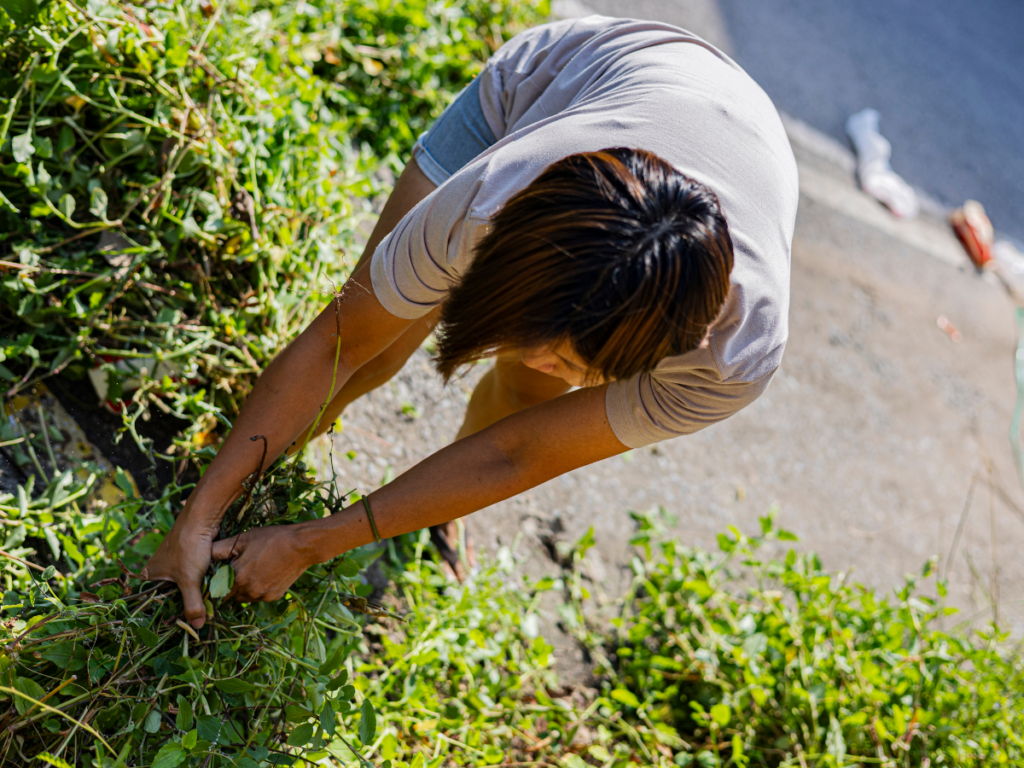
Weeds have a way of finding even the smallest openings in patios, walkways, and driveways. Over time, dirt, dust, leaves, and organic debris settle into the joints between pavers, creating an environment where weed seeds can easily take root. Once moisture and sunlight are added, growth can happen surprisingly fast.
Understanding the causes behind these issues is an important part of long-term weed control. Rather than treating weeds only after they appear, homeowners can reduce recurring problems by addressing the conditions that allow weeds to grow in the first place.
Paver joints are especially vulnerable because they naturally collect debris and moisture over time. Without regular maintenance, these spaces become ideal growing areas for invasive plants.
Which Weed Species Commonly Affect Atlanta Hardscapes?
In warmer climates like Atlanta, several aggressive weed species regularly invade patios and paver systems. These weeds spread quickly and can become difficult to manage if left untreated.
Crabgrass is one of the most common problems in hardscape areas. This fast-growing annual weed thrives during warm weather and spreads rapidly through open joints and cracks. Because it grows low to the ground and expands outward, crabgrass can quickly take over neglected surfaces.
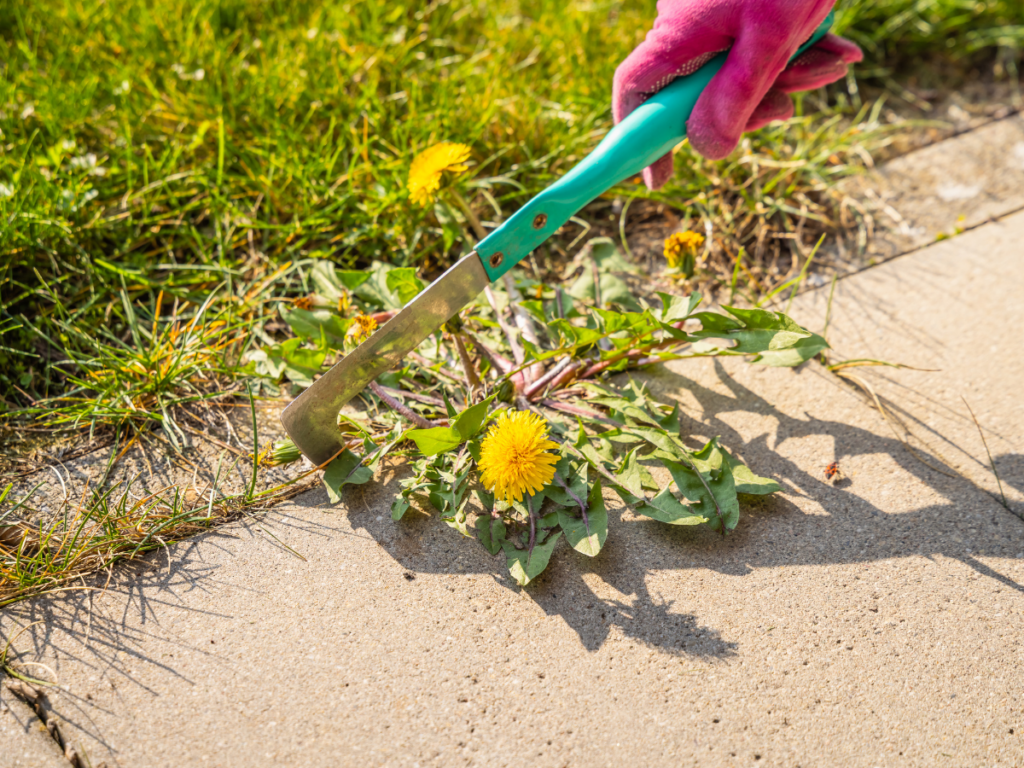
Dandelions are another persistent issue. Their deep taproots allow them to survive even when the visible portion of the plant is removed. If the root system remains beneath the surface, the weed often grows back repeatedly.
Clover also commonly appears in patios and paver joints, especially in areas where moisture levels remain high. While some homeowners view clover as harmless ground cover, it can spread aggressively into surrounding hardscape spaces if not controlled early.
Identifying these weeds early makes weed control much more manageable and helps prevent widespread growth across outdoor surfaces.
How Moisture Contributes To Weed Growth
Moisture is one of the biggest contributors to weed development in paver systems. Areas that hold water for extended periods create ideal conditions for seeds to germinate and establish roots.
Poor drainage, compacted debris, clogged joints, and shaded sections of a patio can all increase moisture retention. Once water becomes trapped between pavers, weeds often appear more frequently and spread more aggressively.
This is one reason why proper hardscape installation and drainage design play such an important role in long-term weed control. Surfaces that drain efficiently tend to experience fewer recurring weed problems because excess moisture does not remain trapped beneath the pavers.
Homeowners who notice repeated weed growth in the same locations may actually be dealing with underlying drainage issues rather than simple maintenance concerns.
The Impact Of Sunlight And Soil Conditions
Sunlight exposure also has a direct impact on weed growth. Many invasive weeds thrive in areas that receive long hours of direct sunlight throughout the day. Open patios, pool decks, and driveways are especially susceptible because the warm surface temperatures help accelerate seed germination.
At the same time, soil conditions beneath and around pavers can influence how aggressively weeds spread. Nutrient-rich organic material that accumulates between joints essentially acts as a small planting bed for invasive growth.
Even a thin layer of decomposed leaves or dirt can provide enough nutrients for weeds to establish themselves. This is why regular sweeping and joint cleaning are essential parts of effective weed control.
Reducing organic buildup limits the resources weeds need to survive and helps keep hardscape surfaces cleaner and more stable over time.
Preventing Future Weed Problems In Hardscapes
Successful weed control starts with understanding why weeds appear in the first place. Moisture buildup, sunlight exposure, deteriorating joint materials, and accumulated debris all contribute to recurring growth between pavers.
Preventative maintenance can significantly reduce these issues. Routine inspections, proper drainage, joint stabilization, and regular surface cleaning all work together to create a less favorable environment for weeds.
Professional hardscape maintenance companies such as Atlanta Hardscape Kings may also help homeowners identify the underlying causes of recurring weed problems while providing long-term solutions that protect patios, walkways, and outdoor living spaces.
How Does Polymeric Sand Installation Prevent Weed Growth in Paver Joints?

Polymeric sand has become one of the most effective materials for long-term weed control in patios, walkways, and paver driveways.
Unlike standard joint sand, polymeric sand is specifically designed to harden after water activation, creating a stronger barrier between pavers that helps block weed growth and stabilize the entire surface.
Weeds often begin growing when dirt, moisture, and organic debris collect in open joints. Traditional sand can gradually shift or wash away, leaving enough space for weed seeds to settle and germinate. Polymeric sand addresses this issue by forming a more durable bond that reduces those vulnerable gaps.
Because of its ability to strengthen paver joints while limiting weed development, polymeric sand is frequently recommended for homeowners looking to reduce ongoing hardscape maintenance.
How Does Polymeric Sand Prevent Weed Growth?
The effectiveness of polymeric sand comes from the way it reacts after installation. Once the sand is swept into the joints and activated with water, special binding agents cause the material to harden. This hardened surface creates a compact seal that makes it far more difficult for weeds to grow between pavers.
The solidified joints help reduce the movement of weed seeds into the gaps while also limiting the moisture and soil accumulation that weeds need to survive. In addition to supporting weed control, the hardened sand helps keep pavers more stable by reducing shifting and erosion over time.
This added stability is especially important in outdoor areas exposed to heavy rain, foot traffic, or changing temperatures. Without proper joint support, pavers may gradually separate, creating larger openings where weeds can spread more aggressively.
What Are The Benefits Of Using Polymeric Sand?
One of the biggest advantages of polymeric sand is its ability to combine weed control with structural support. While many homeowners focus primarily on preventing weeds, the material also helps preserve the integrity of the hardscape itself.
Polymeric sand offers strong erosion resistance, which helps prevent joint material from washing away during storms or routine cleaning. This is particularly useful in areas with frequent rainfall where traditional sand may deteriorate quickly.
Durability is another major benefit. Once cured properly, polymeric sand typically lasts much longer than standard joint sand and requires less frequent replacement. This helps reduce long-term maintenance demands while keeping patios and walkways looking cleaner and more uniform.
The material also helps discourage insect activity between pavers because the hardened joints leave fewer open spaces for pests to occupy. Combined with effective weed control, these benefits make polymeric sand a practical long-term solution for many hardscape installations.
How Does Polymeric Sand Compare To Traditional Joint Sand?
Traditional joint sand is still used in some paver installations, but it does not provide the same level of protection or durability as polymeric sand. Standard sand remains loose after installation, making it more vulnerable to erosion, shifting, and weed growth.
Polymeric sand, on the other hand, creates a hardened surface after activation. This significantly improves weed control because seeds cannot settle into the joints as easily. The stronger bond also helps the material stay in place during heavy rain and regular outdoor use.
Traditional sand is generally simpler to install because it does not require water activation, but the tradeoff is increased maintenance over time. Homeowners using regular joint sand often need to refill joints more frequently and address recurring weed issues sooner.
For outdoor spaces where long-term durability and reduced maintenance are priorities, polymeric sand is usually considered the more effective option.
Why Proper Installation Matters
Even the best weed control products depend on proper installation to perform effectively. Polymeric sand must be applied evenly and activated correctly to ensure the joints cure properly. If too much or too little water is used during installation, the material may fail to harden as intended.
Professional hardscape contractors often recommend periodic inspections to ensure joints remain intact and continue providing reliable weed control. Combined with routine cleaning and maintenance, polymeric sand can significantly extend the life and appearance of patios, walkways, and driveways.
Companies such as Atlanta Hardscape Kings may incorporate polymeric sand installation into broader hardscape maintenance strategies designed to improve durability and minimize recurring weed problems in outdoor living spaces.
Effective Weed Prevention And Removal Methods For Patios
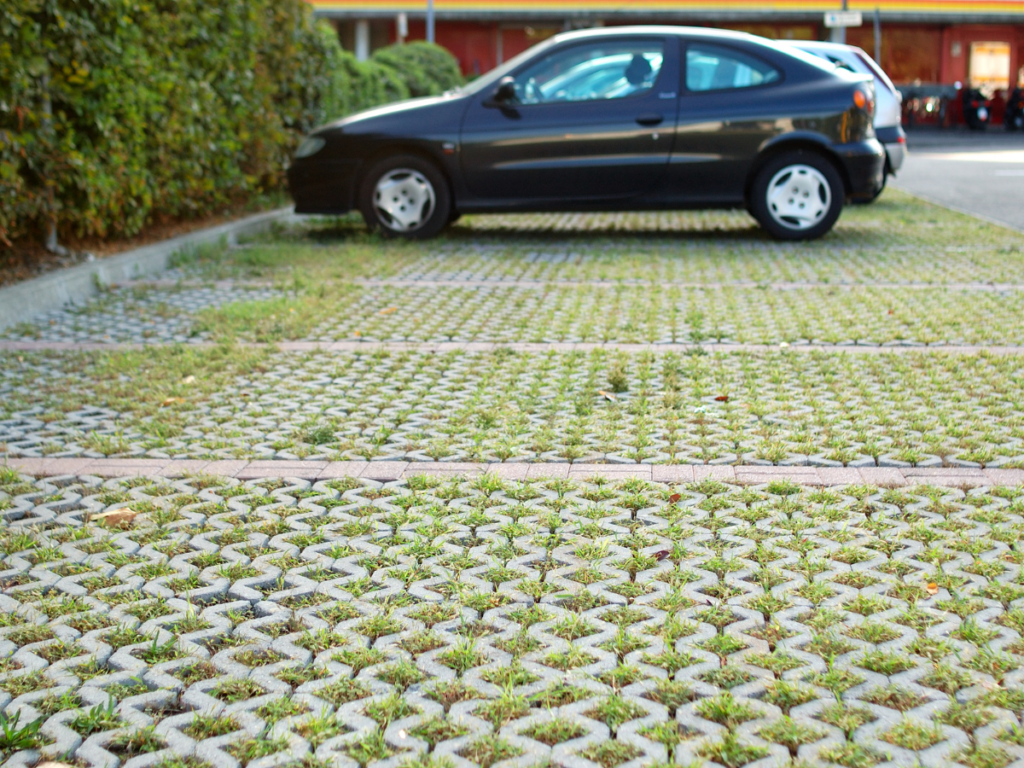
Keeping patios free from weeds takes more than occasional cleanup. Weeds can quickly spread through paver joints, cracks, and edges when outdoor surfaces are not maintained regularly.
Once roots establish beneath the hardscape, removal becomes more difficult and can eventually affect the stability and appearance of the patio itself.
A proactive approach to weed control helps homeowners avoid larger infestations and reduces the amount of repair work needed over time. Consistent maintenance also preserves curb appeal and keeps outdoor living spaces looking clean and well cared for throughout the year.
Rather than relying on one-time treatments, the most effective weed prevention strategies combine routine upkeep, early intervention, and proper joint care.
How Regular Maintenance Prevents Weed Growth
Routine maintenance is one of the most reliable ways to reduce weed growth in patios and paver systems. Dirt, leaves, grass clippings, and organic debris naturally settle into the spaces between pavers. Over time, that buildup creates an environment where weed seeds can easily germinate.
Frequent sweeping helps remove debris before weeds have the opportunity to establish roots. Pressure washing can also help clear out stubborn buildup in joints and surface textures, especially in shaded areas where moisture tends to linger.
Joint maintenance is equally important for effective weed control. When joint sand begins to erode or thin out, gaps form between pavers that allow weeds to grow more easily.
Refilling and stabilizing these joints helps create a stronger barrier against invasive growth while also improving the overall durability of the patio surface.
Prompt weed removal is another key factor. Small weeds are much easier to eliminate before they spread deeper root systems beneath the pavers. Addressing weeds early helps prevent larger infestations and reduces long-term maintenance demands.
Which Eco-Friendly Weed Control Methods Work Best?
Many homeowners prefer environmentally friendly weed control options that avoid harsh chemicals while still producing effective results. Fortunately, several natural methods can help manage weeds in patios and hardscapes safely.
Vinegar is one commonly used solution because its acidity can kill exposed weeds on contact. It tends to work best on younger weeds and is often most effective during warm, sunny weather. While vinegar may not always eliminate deeper roots permanently, it can help control surface growth quickly.
Boiling water is another simple method that many homeowners use for spot treatments. Pouring boiling water directly onto weeds damages the plant structure and can effectively kill smaller growth without leaving chemical residue behind.
Corn gluten meal is often used as a natural pre-emergent treatment. Instead of killing existing weeds, it helps prevent weed seeds from germinating in the first place. This makes it particularly useful as part of a preventative weed control strategy.
Eco-friendly methods may require more consistent application than chemical herbicides, but they offer a safer alternative for households with pets, children, or nearby landscaping.
How Often Should Patio Maintenance Be Performed?
A regular maintenance schedule can make a significant difference in reducing weed problems over time. Weekly inspections allow homeowners to identify early signs of growth before weeds spread into larger sections of the patio.
Seasonal maintenance is also important because weather changes often affect hardscape surfaces. At the beginning of each season, patios should be cleaned thoroughly to remove accumulated debris, inspect joint materials, and check for drainage issues that may contribute to weed growth.
Annual deep cleaning provides another layer of protection. This process may include pressure washing, joint re-sanding, resealing surfaces, and repairing damaged areas that create openings for weeds.
Staying consistent with these tasks supports long-term weed control while helping preserve the structural integrity and appearance of patios and walkways.
Creating A Long-Term Weed Prevention Strategy
The most successful weed control plans focus on prevention rather than repeated removal alone. Combining regular maintenance, eco-friendly treatments, prompt weed removal, and joint stabilization creates a much stronger defense against recurring growth.
Homeowners who stay proactive typically spend less time dealing with major infestations and costly hardscape repairs later. Maintaining clean joints, controlling moisture, and addressing small issues early all contribute to healthier and more attractive outdoor spaces.
Professional hardscape maintenance providers such as Atlanta Hardscape Kings may also help homeowners develop customized weed prevention strategies designed to protect patios, walkways, and paver installations over the long term. best.
Key Hardscape Maintenance Tips For Weed-Free Pavers And Patios
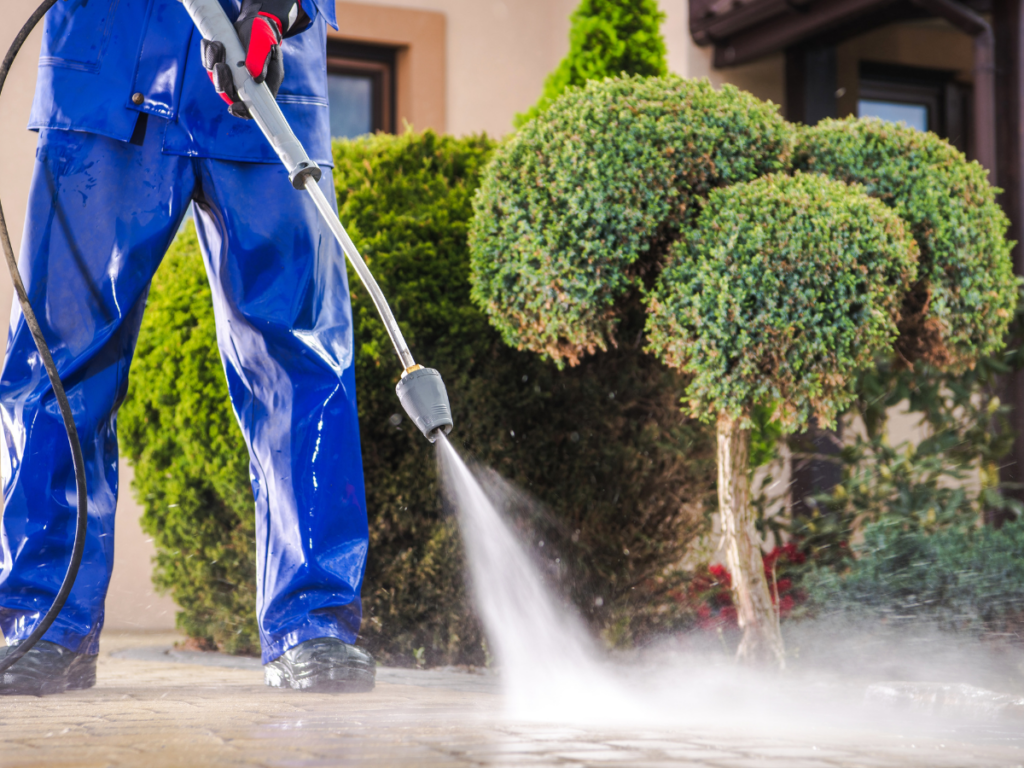
Keeping patios and paver surfaces free from weeds requires more than occasional cleanup. Even well-installed hardscapes naturally collect dirt, moisture, and organic debris over time, especially in the joints between pavers. Without consistent maintenance, those areas quickly become ideal conditions for weed growth.
A long-term weed control strategy focuses on preserving both the appearance and structural stability of outdoor surfaces. Preventative maintenance reduces the likelihood of invasive weeds taking root while also helping protect pavers from shifting, erosion, and moisture damage.
Homeowners who stay proactive with hardscape care typically experience fewer recurring weed problems and lower repair costs over time.
How Regular Cleaning Supports Weed Prevention
Routine cleaning is one of the most effective ways to support long-term weed control. Leaves, grass clippings, soil, and other debris often settle into paver joints and gradually break down into organic material that feeds weeds.
Frequent sweeping helps prevent this buildup before seeds have a chance to germinate. Pressure washing can also remove stubborn dirt and algae that may contribute to moisture retention on the surface.
In areas with heavy shade or poor drainage, regular cleaning becomes even more important because damp conditions encourage faster weed growth.
Maintaining clean surfaces also improves the overall appearance of patios and walkways. A well-maintained hardscape not only looks better but also creates a healthier environment that is less favorable for weeds.
Why Joint Maintenance Is Essential
The joints between pavers are often the most vulnerable areas for weed growth. As sand erodes or shifts over time, gaps begin to form, allowing moisture and debris to settle deeper into the surface.
Proper joint maintenance helps strengthen these spaces and reduce opportunities for weeds to spread. Many homeowners choose polymeric sand because it hardens after activation and creates a more stable barrier between pavers.
This added stability improves weed control while also reducing erosion caused by rain and regular outdoor use. Routine inspections are important because even small joint issues can quickly lead to larger maintenance problems if ignored.
Replacing worn joint material early helps preserve the integrity of the hardscape and minimizes future weed growth. Consistent joint care is one of the most important steps in maintaining durable, weed-resistant patios and walkways.
How Paver Sealing Helps Prevent Weeds
Sealing pavers provides another layer of protection that supports effective weed control. A quality sealant creates a barrier that limits moisture absorption and helps prevent dirt and debris from settling deeply into the joints.
Moisture plays a major role in weed growth, especially in outdoor spaces exposed to rain and humidity. By reducing water penetration, sealing makes the environment less favorable for invasive plants while also helping preserve the color and finish of the pavers.
Regular paver sealing can also extend the lifespan of hardscape surfaces by protecting against stains, fading, and weather-related wear. In high-traffic areas, this added protection helps maintain both appearance and structural durability.
Many homeowners find that combining sealing with regular cleaning and joint maintenance provides the most reliable long-term weed control results.
Maintenance Practices That Protect Outdoor Living Spaces
A successful hardscape maintenance plan focuses on both appearance and performance. Consistent cleaning, stable joints, and protective sealing all work together to preserve patios, driveways, and walkways over time.
Preventative maintenance also helps outdoor spaces remain more inviting and functional for everyday use. Weed-free pavers create a cleaner, more polished look while reducing safety concerns caused by uneven surfaces or root intrusion.
Homeowners who invest in regular upkeep often spend less time dealing with major repairs or widespread weed infestations later. By staying proactive, it becomes much easier to preserve the beauty and durability of outdoor living areas year-round.
Professional hardscape maintenance providers such as Atlanta Hardscape Kings may also assist with sealing, joint stabilization, and ongoing weed control services designed to protect patios and paver systems for the long term.
Conclusion
Keeping weeds under control is an important part of protecting the appearance, stability, and longevity of your pavers and patio surfaces.
Without proper maintenance, invasive growth can spread between joints, weaken hardscape materials, and take away from the clean, polished look of your outdoor space. Working with experienced professionals helps ensure long-lasting results and preventative solutions tailored to your property.
Atlanta Hardscape Kings provides expert hardscape maintenance and weed control services designed to keep patios, walkways, and paver installations looking their best year-round. To schedule service or request a free estimate, call (470) 665-5283 or get a free estimate through our website form today.