By Alfredo Barrera, Atlanta Hardscape Kings
Choosing the right type of lawn for your property in Atlanta involves weighing the pros and cons of artificial turf versus natural grass. Each option offers distinct advantages and challenges, influencing not only the aesthetics of your outdoor space but also maintenance requirements and environmental impact. This article provides a thorough comparison of both choices, helping homeowners make informed decisions. We will cover the benefits, drawbacks, costs, and maintenance needs associated with artificial turf and natural grass in the Atlanta climate. Additionally, we will highlight how these factors can influence your installation decision for an attractive and sustainable lawn.
Comparison of Artificial Turf and Natural Grass for Atlanta Lawns
When considering artificial turf vs. natural grass, understanding the nuances of each option is crucial. Artificial turf is engineered from synthetic materials, designed to mimic the appearance of grass while often requiring less maintenance. On the other hand, natural grass offers a traditional look and feel, benefiting from natural ecosystems. The decision ultimately depends on personal preferences, use cases, and environmental considerations.
Benefits:
Both artificial turf and natural grass come with their sets of benefits that appeal to different homeowner needs.
Artificial Turf:
Artificial turf presents several compelling advantages that make it an attractive option for homeowners:
- Reduced Maintenance Needs: Unlike natural grass, artificial turf does not require watering, mowing, or fertilizing, thus saving on time and maintenance costs.
- Consistent Aesthetic Appearance: Artificial turf remains green and luscious year-round regardless of weather conditions, providing a consistently appealing look.
- Durability Factors: High-quality artificial turf can withstand heavy foot traffic without showing wear and tear, making it ideal for families and pets.
Natural Grass:
Natural grass offers wonderful benefits associated with living plants and well-maintained lawns:
- Support for Local Ecosystems: Natural grass lawns support local wildlife such as birds and pollinators, contributing positively to the environment.
- Cooling Effects: Grass can help cool the surrounding areas through evaporation, providing a more pleasant outdoor environment during hot Atlanta summers.
- Natural Appearance: For many, the look and feel of natural grass are irreplaceable, enhancing property value and curb appeal.
Drawbacks:
Despite their benefits, both options carry drawbacks that should be considered.
Artificial Turf:
While artificial turf has many benefits, it does present certain disadvantages:
- Higher Initial Investment: The upfront cost of installing artificial turf can be significantly higher than that of planting natural grass.
- Durability and Lifespan Concerns: Although designed to last, artificial turf can degrade over time and may need replacement, incurring additional costs.
Natural Grass:
Natural grass, while beautiful, does come with its own challenges:
- Ongoing Watering and Mowing: Keeping a natural grass lawn healthy requires regular irrigation, mowing, and fertilization, adding to maintenance efforts and costs.
- Impact of Weather on Growth: Natural grass lawns are susceptible to drought and pest issues, affecting their growth and health, especially in Atlanta’s variable climate.
Costs:
When considering costs, it is beneficial to analyze both installation and long-term maintenance expenses.
Artificial Turf:
The initial cost to install artificial turf can vary based on the quality of materials used. Homeowners can expect to invest between $5 to $15 per square foot, depending on the selection. However, the savings on water and lawn maintenance can offset these initial expenses.
Although artificial turf offers many advantages, its initial installation cost can be noticeably higher than that of natural grass, a factor that merits careful consideration for homeowners.
Atlanta Artificial Turf: Installation Cost Comparison
Figures from the Synthetic Turf Council, a trade organization based in Atlanta, show that 10 years ago agreed that installation costs of synthetic turf can be almost double those of natural
Synthetic turf: health DebateTakes root, L Claudio, 2008
Natural Grass:
Natural grass installation typically costs less, generally ranging from $0.50 to $2 per square foot for sod, but the ongoing maintenance costs can accumulate over time. Expect to spend approximately $600 to $1,200 annually depending on the size of the lawn and maintenance practices.
Maintenance Requirements:
The ongoing maintenance required for both options significantly dictates their overall value.
Artificial Turf:
Artificial turf requires minimal upkeep compared to natural grass. Maintenance primarily involves occasional cleaning to remove debris and checking for wear and tear. Most homeowners find that they need to rinse the surface periodically and conduct a visual inspection for damage.
Natural Grass:
Maintaining natural grass demands more time and effort. Regular mowing, watering, and pest management are critical components of lawn care. Depending on rainfall, additional irrigation may be necessary to keep the lawn healthy, which can be a considerable commitment in the warmer months.
What Are the Key Benefits of Artificial Turf for Atlanta Lawns?
Artificial turf provides numerous benefits that can be particularly advantageous for homeowners in Atlanta. It minimizes the need for extensive irrigation, allowing homeowners to conserve water amid restrictive drought conditions which frequently affect the area. Additionally, since artificial turf does not require mowing, it reduces energy consumption related to lawn care equipment and contributes to a cleaner environment by eliminating gas emissions.
How Does Artificial Turf Save Water and Reduce Maintenance in Atlanta?
In the urban environment of Atlanta, water conservation is a pressing concern. Artificial turf drastically cuts water usage, allowing homeowners to maintain attractive lawns without the constant irrigation that natural grass requires. This reduction contributes positively to local water conservation efforts by alleviating the pressure on public water resources while providing the added benefit of decreased utility bills.
Which Artificial Turf Types Are Best Suited for the Atlanta Climate?
When considering artificial turf, homeowners in Atlanta should look for products designed to withstand high temperatures and humidity levels. UV-resistant materials help prevent fading, while drainage systems are crucial for ensuring proper water runoff during heavy rains. Types that incorporate infill materials can enhance realism and provide a more comfortable surface for activities.
How Does Natural Grass Perform in Atlanta Lawn Care?
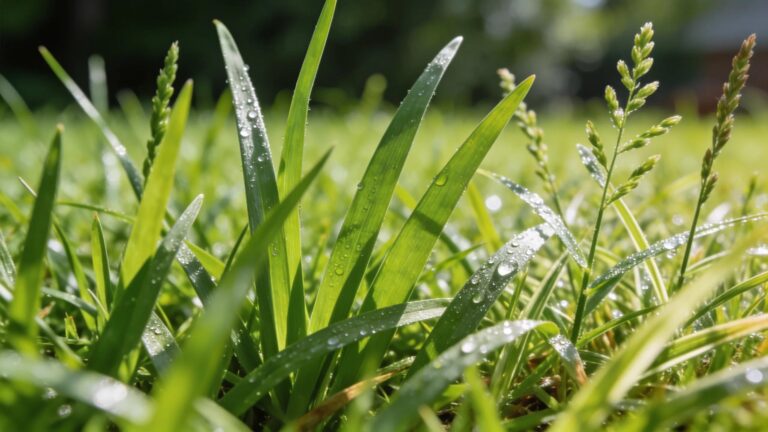
Natural grass can thrive in Atlanta if appropriately chosen and cared for. Warm-season grasses, such as Bermuda and Zoysia, grow robustly in the summer and establish a beautiful green lawn. However, they require irrigation and care to withstand the heat, especially during periods of low rainfall.
What Are the Best Natural Grass Varieties for Atlanta Landscaping?
Selecting the right grass type is crucial for successful lawn care in Atlanta. Popular options include:
- Bermudagrass: Thrives in heat and sun, ideal for lawns and sports fields.
- Zoysiagrass: Tolerates drought well and has a dense, carpet-like appearance.
- Fescue: Suitable for shaded areas, this grass type performs well in cooler months.
What Maintenance Is Required for Healthy Natural Lawns in Atlanta?
To maintain a healthy natural lawn, homeowners should follow a routine of watering, mowing, and fertilization. Grass generally needs about 1 inch of water per week, which should be adjusted during hot summer months. Regular mowing keeps grass at the optimal height to promote growth and discourage weeds.
What Is the Cost and Maintenance Comparison: Artificial Turf vs. Natural Grass?
The comparison of costs and upkeep reveals significant differences between the two options. Although artificial turf requires a larger initial investment, the long-term savings on maintenance and water usage might balance out the costs when compared to the ongoing expenses of caring for a natural grass lawn.
Understanding the installation and long-term costs differences between turf and grass is vital for making an informed decision. Homeowners may find that the benefits and stability of artificial turf offset the initial costs, particularly in regions where drought conditions are prevalent.
What Are the Maintenance Efforts and Lifespan Expectations for Each?
Artificial turf holds up well over the years but may need replacement after 10-15 years, depending on the quality and level of use. Natural grass, on the other hand, can last indefinitely with proper care but requires continual financial and time investment for upkeep.
How Do Environmental and Climate Factors Affect Lawn Choices in Atlanta?
Environmental factors must play a significant role in the decision-making process. Atlanta’s climate includes hot summers and occasional harsh winters, making it crucial to choose grass types that can tolerate drought and have effective drainage systems.
What Is the Environmental Impact of Artificial Turf Compared to Natural Grass?
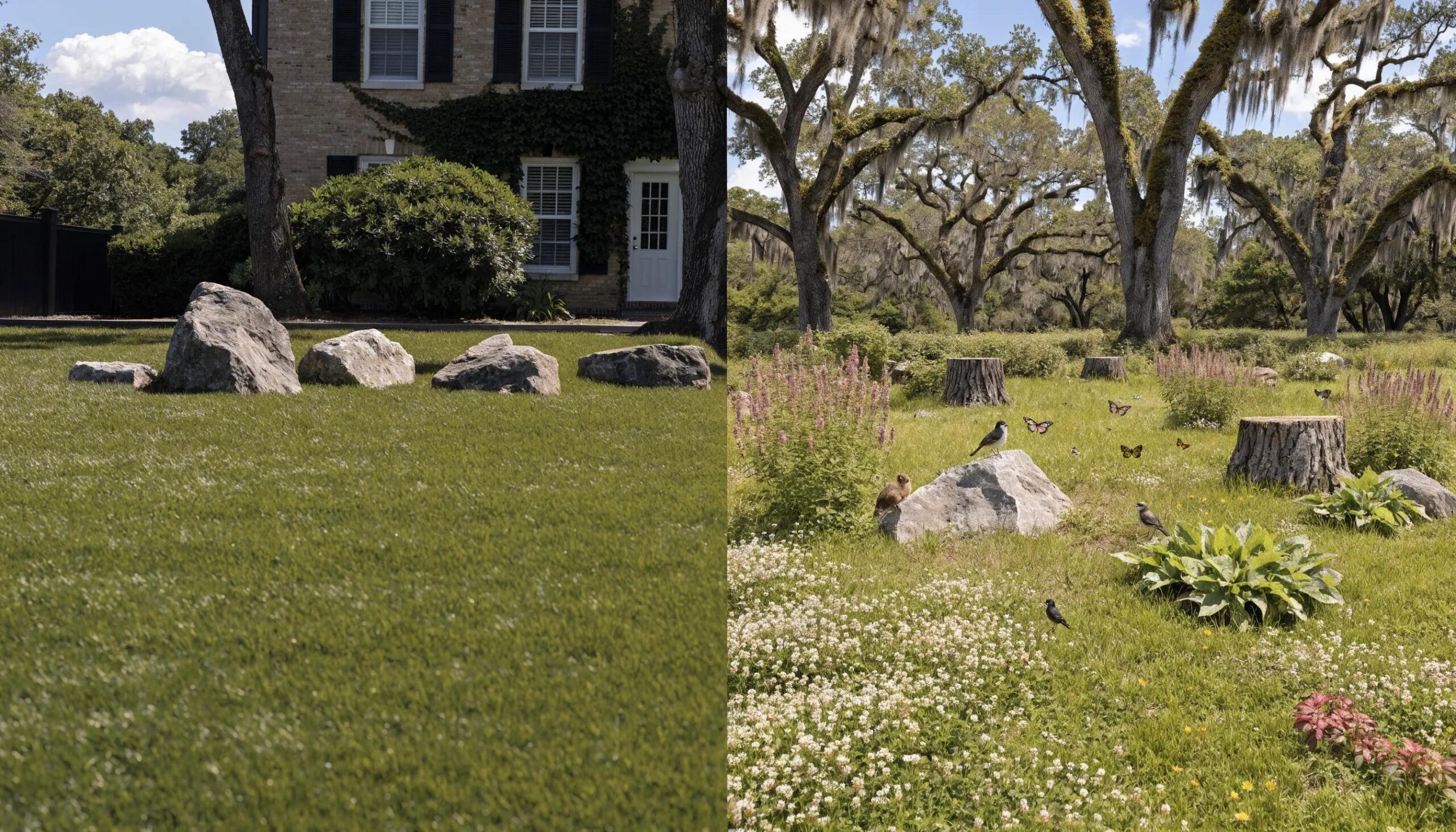
While artificial turf eliminates the need for pesticides and fertilizers often required for natural grass maintenance, it is not without its environmental considerations. The production of synthetic turf can result in carbon emissions and waste, challenging the notion of sustainability. Conversely, natural grass promotes biodiversity and offers eco-benefits, such as air purification and cooling effects.
Despite some environmental concerns associated with its production, artificial turf itself often has a minimal direct environmental impact once installed, contrasting with the ongoing resource demands of natural grass.
Synthetic Turf Installation in Atlanta: Environmental Impact
Figures from the Synthetic Turf Council, a trade organization based in Atlanta, show that of synthetic turf already installed on fields around the country, and not one environmental impact
Synthetic turf: health DebateTakes root, L Claudio, 2008
How Does Atlanta’s Climate Influence Lawn Health and Selection?
Atlanta’s humid subtropical climate influences lawn choices significantly. The warm temperatures encourage the growth of drought-tolerant grass species, while the occasional rainfall can lead to challenges in maintaining natural grass health without overwatering. Understanding these climatic nuances is essential when selecting the right option for your lawn.
Ready to Enhance Your Atlanta Lawn?
Whether you prefer the low-maintenance appeal of artificial turf or the natural beauty of grass, we can help you make the best choice for your home. Contact Atlanta Hardscape Kings today for expert advice, quality installation, and ongoing support tailored to your lawn needs.