Water should enhance your landscape, not undermine it. In Atlanta’s heavy rains and clay-heavy soil, poor drainage around patios, driveways, retaining walls, and walkways can lead to pooling water, erosion, shifting pavers, and foundation concerns. That’s why effective hardscape drainage solutions in Atlanta, GA, are critical for protecting both the beauty and structure of your outdoor investment.
Without a proper drainage plan, runoff can collect against hard surfaces, seep into joints, and gradually weaken the base beneath your hardscape. Over time, this can cause cracking, uneven settling, and costly repairs.
Strategic grading, channel drains, permeable materials, and integrated drainage systems are designed to move water safely away from your property. The right hardscape drainage solutions in Atlanta, GA, keep your outdoor spaces functional, stable, and built to withstand the region’s unpredictable weather.
Hardscape Drainage Solutions for Patios and Driveways
What Are The Common Hardscape Drainage Problems In Atlanta?
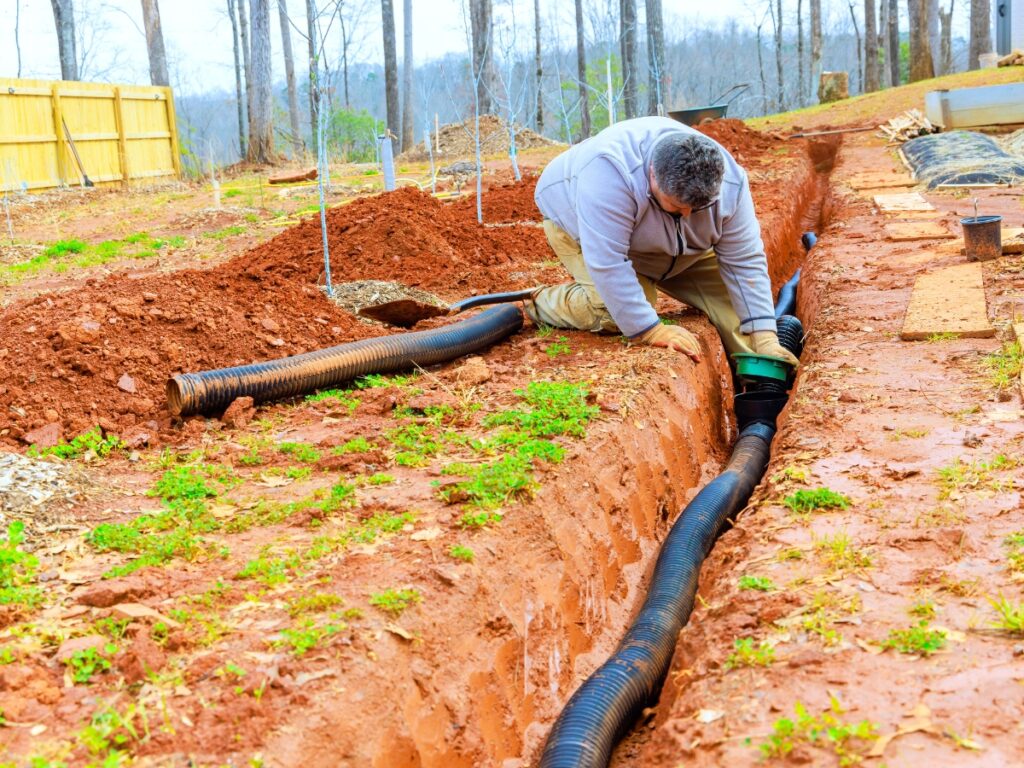
Hardscapes can make a yard more usable, but they also change how water moves across your property. In Atlanta, heavy rain and dense soil often turn small grading mistakes into bigger issues, like standing water near patios, washed-out pavers, or muddy runoff cutting through landscaped beds.
The most common hardscape drainage problems usually trace back to the same root cause: water is not being directed away from structures and high-use areas in a controlled way. That is why planning drainage solutions should be part of any patio, walkway, retaining wall, or driveway project, not an afterthought once problems appear.
When a yard has too many hard surfaces without proper slope or collection points, water has nowhere to go. It builds up against foundations, runs toward garage slabs, or follows the path of least resistance and undermines the base materials that keep pavers stable.
Over time, that can cause shifting, sinking, and uneven surfaces. Even well-built hardscapes can fail early if they are not paired with drainage solutions that match the property’s soil and runoff patterns.
How Does Atlanta’s Clay Soil Affect Yard Drainage?
Atlanta’s clay-heavy soil makes drainage more challenging because it does not absorb water quickly. Instead of soaking in, rain tends to sit on the surface or move sideways. During storms, that can lead to pooling in low spots and strong runoff that cuts channels through mulch beds or along the edges of patios and walkways.
Clay also expands when wet and shrinks as it dries. Those constant changes can stress hardscape bases and contribute to movement in pavers, steps, and retaining walls. If water is collecting under or beside hardscape features, the freeze-thaw cycle is not the main concern in Atlanta.
The bigger issue is saturation and soil shift. That is why drainage solutions in this area often focus on controlling where water goes before it has time to settle and soften the ground.
Another factor is compaction. Clay soil is already dense, and foot traffic or construction equipment can compact it further, reducing drainage even more. Without a plan for runoff, water will keep following the same routes, creating repeat problems that feel unpredictable but usually are not.
What Signs Indicate Poor Drainage And Erosion Issues?
Most drainage problems show up in patterns, and learning to spot them early can save a lot of time and repair costs. One obvious sign is standing water after rain, especially if it lingers into the next day. Soggy areas that never seem to dry, even when nearby parts of the yard are fine, can point to poor grading or compacted soil that is trapping moisture.
Erosion is another clear warning. If you see soil washing out along the edges of a patio, around steps, or beside a driveway, it often means runoff is concentrated in that area. You may also notice mulch that keeps migrating, exposed roots in beds, or gravel that ends up in piles after storms.
Those are not just cosmetic issues. They signal that water is moving with enough force to shift materials, which can eventually undermine hardscape stability.
Hardscapes themselves can show symptoms. Pavers that start separating, low corners that collect water, or joints that rinse out quickly often mean water is getting under the surface. In more serious cases, water can collect near the foundation and contribute to damp crawl spaces, musty smells, or small cracks that worsen over time as the soil moves.
If you are seeing any of these signs, it usually means the yard needs drainage solutions that manage runoff at the source, guide it along a planned route, and release it safely away from vulnerable areas. Fixing the water flow is what protects the hardscape, not just patching the surface after it shifts. excessive moisture. Recognizing these signs early can help prevent more severe damage and costly repairs.
Which Hardscape Drainage Solutions Are Best Suited For Atlanta Homes?
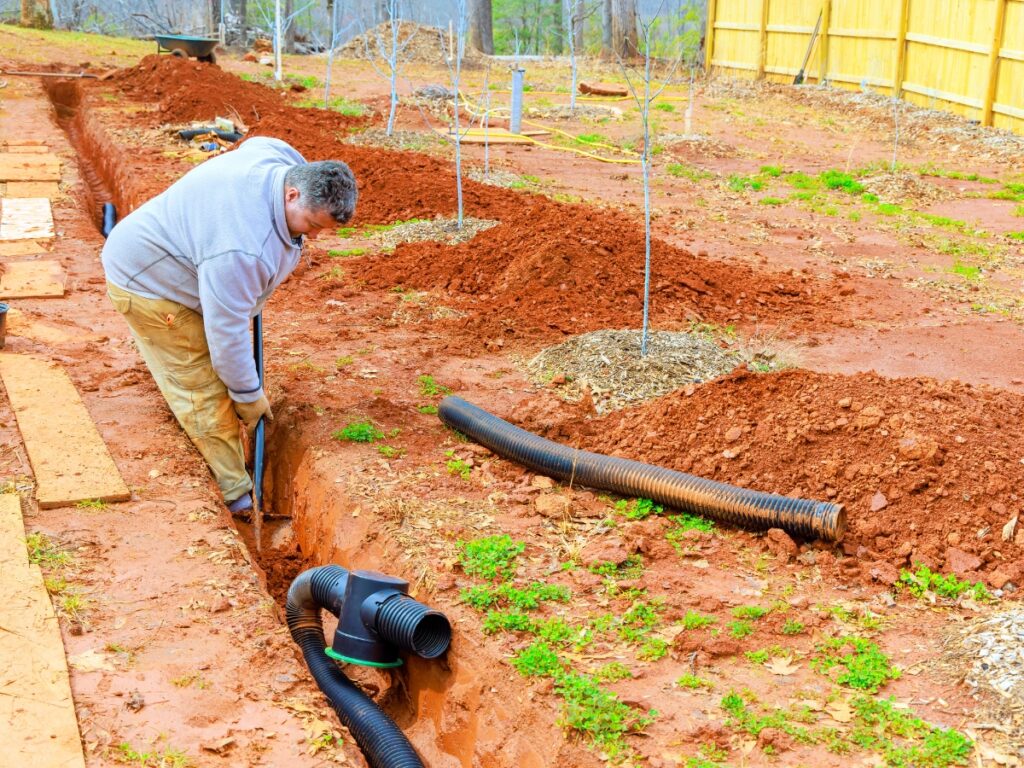
Atlanta homes deal with a combination that makes drainage tricky: heavy rain events, lots of hard surfaces, and clay soil that does not absorb water quickly. When patios, walkways, and driveways are added without a plan for runoff, water tends to collect in low spots, push against foundations, and wash out the base materials that keep pavers stable.
The best approach is usually not a single fix, but a combination of drainage solutions that move water away from structures and prevent it from settling where it causes damage.
The right solution depends on what the yard is doing during and after a storm. Some properties struggle with pooling at the bottom of a slope. Others see water racing off hardscape areas and cutting channels through beds.
In many cases, the most effective plan starts by controlling water at the surface with grading, then collecting what remains with a drain system, and finally improving how the hardscape itself handles runoff through materials that allow water to pass through instead of sheet-flowing across the top.
How Do French Drains Prevent Water Pooling And Protect Foundations?
French drains are one of the most common drainage solutions because they work well in yards where water collects repeatedly in the same area.
A French drain typically uses a perforated pipe set in gravel to capture water and redirect it to a better outlet point. Instead of allowing moisture to sit near the foundation or in a low spot by the patio, the drain gives water a path to follow, which reduces saturation in the surrounding soil.
This matters in Atlanta because saturated clay can press against foundation walls, soften the ground around slabs, and contribute to shifting over time. A properly installed French drain helps by lowering how much water remains in problem zones after rain. It is especially helpful along the edge of a patio, near a retaining wall, or at the base of a slope where runoff naturally settles.
Installation details are what make a French drain effective. The pipe needs to be set at the correct depth and slope, and the gravel bed needs to be designed so water can enter easily rather than bypassing the system.
The outlet location also matters. If the drain releases water into another low area, the problem simply relocates. When designed correctly, this type of drainage solution protects both the yard and the hardscape by keeping water from lingering where it should not.
What Role Does Yard Grading And Resloping Play In Effective Drainage?
Grading is one of the highest-impact drainage solutions because it changes the way water moves before it becomes a problem. The goal is simple: create a gentle slope that directs runoff away from the house and away from areas where water causes pooling or erosion.
When grading is off, even a well-built drain system can struggle because water is constantly being pushed toward the wrong areas. Resloping can correct common issues like patios that pitch toward the home, walkways that funnel water into a bed, or yards that have settled into a shallow bowl over time.
In Atlanta, this often shows up as muddy, low areas that stay wet long after rain. By adjusting the grade, water is guided toward a safer discharge point, which reduces the load on any drains and protects the hardscape base from washout.
Grading also supports other solutions. French drains work better when the surface directs water toward them instead of away. Permeable pavers perform better when the base stays stable and does not receive concentrated runoff from an uphill area.
In most cases, the most reliable results come from pairing good grading with one or more drainage solutions that collect and redirect water where needed. That combination is what keeps patios, walkways, and foundations in better shape over the long term.
How Does Stormwater Management Enhance Hardscape Durability?
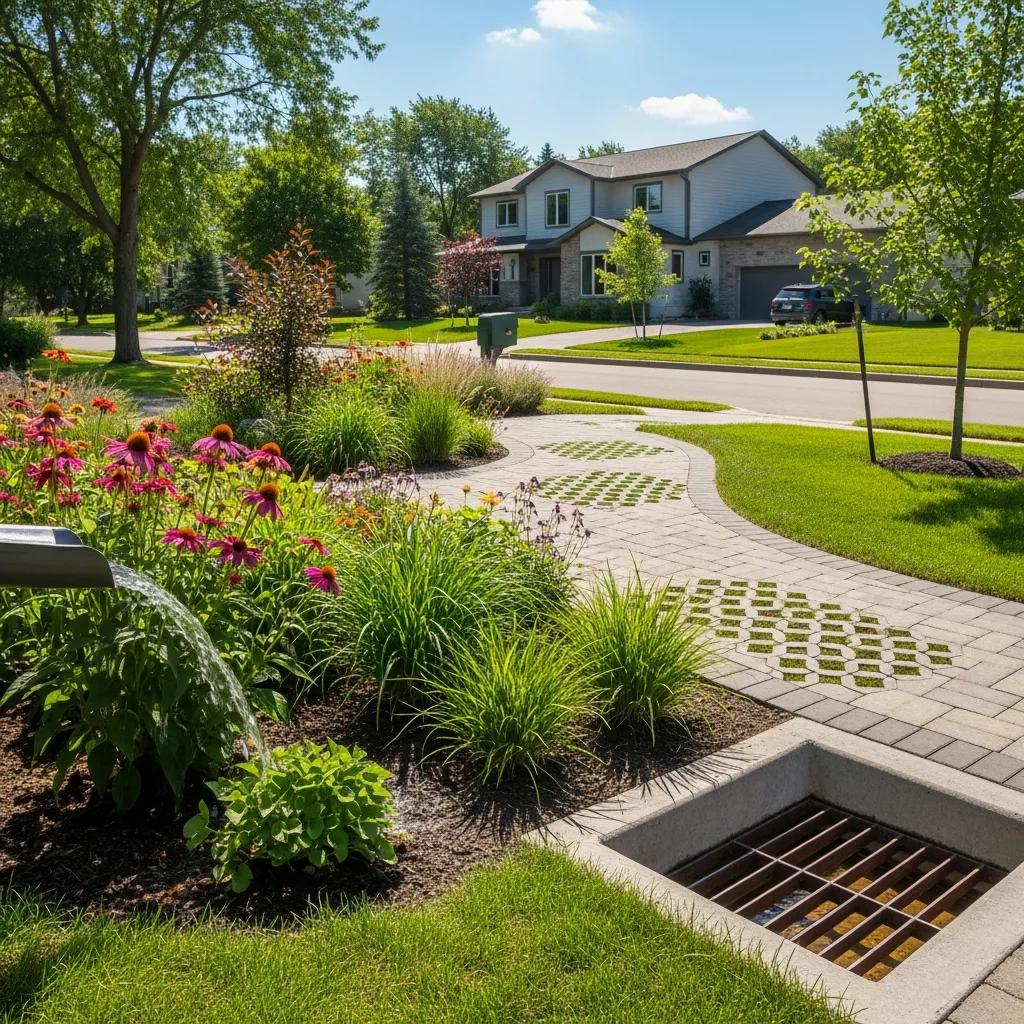
Hardscapes take a beating in Atlanta’s weather, especially when storms dump a lot of water in a short amount of time. When runoff is not controlled, water moves fast across patios and driveways, then settles in the weakest spots, like low joints in pavers, the base of retaining walls, or the edges of walkways.
Over time, that repeated exposure can wash out base materials, shift stones, stain surfaces, and create soft areas that lead to cracking or sinking. Stormwater management helps prevent those issues by guiding water along a planned route, instead of letting it carve its own path.
From a durability standpoint, the goal is to reduce two main problems: erosion and saturation. Erosion removes support from beneath hardscape features. Saturation keeps soil wet long enough that it changes shape, especially in clay-heavy yards.
When you address both, drainage solutions become less about constant patching and more about protecting what you have already invested in. A good stormwater plan also keeps water away from foundations and minimizes the chances of water migrating into basements, crawl spaces, or garage slabs.
What Are The Benefits Of Catch Basins And Downspout Extensions?
Catch basins and downspout extensions are two of the most practical drainage solutions for residential properties because they deal with the water sources that cause the most trouble.
A catch basin collects surface water at ground level, typically in areas where runoff naturally funnels, like the bottom of a slope, the corner of a patio, or the edge of a driveway. Instead of allowing that water to pool and soften the surrounding ground, the basin captures it and routes it into a drainage line that moves it away from the hardscape.
Downspout extensions focus on roof runoff, which is often overlooked even though it can be one of the biggest contributors to yard flooding.
A single storm can send a surprising volume of water down a downspout, and if that discharge point sits too close to the house, it can saturate soil near the foundation and create persistent wet spots along walkways and beds. Extensions redirect that water farther out, helping prevent soil movement and reducing staining and splashback on hard surfaces near the home.
Used together, these systems help you control both surface runoff and roof runoff, which improves overall drainage performance and protects nearby hardscapes from repeated water exposure.
How Do Dry Creek Beds And Trench Drains Control Water Flow?
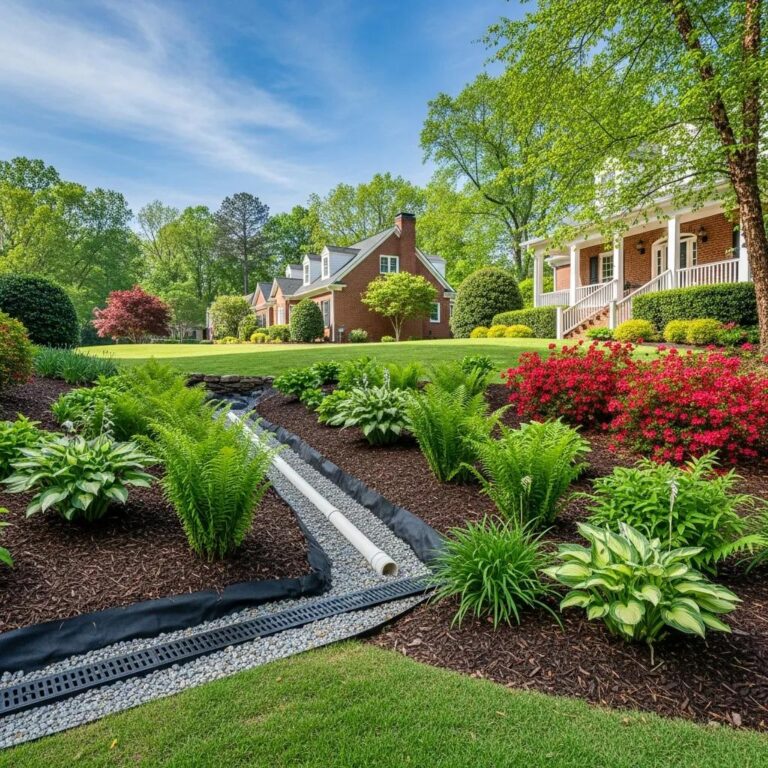
Dry creek beds and trench drains work well when water needs to be guided across the property rather than simply collected in one spot. A dry creek bed is designed to act like a natural channel. It uses stone and gravel to create a defined path for runoff, directing water away from structures and toward a safer outlet.
This can be especially effective in yards where water regularly cuts through mulch beds or erodes along the edges of patios. When built correctly, it also blends into the landscape and helps reduce the muddy, washed-out look that runoff can leave behind.
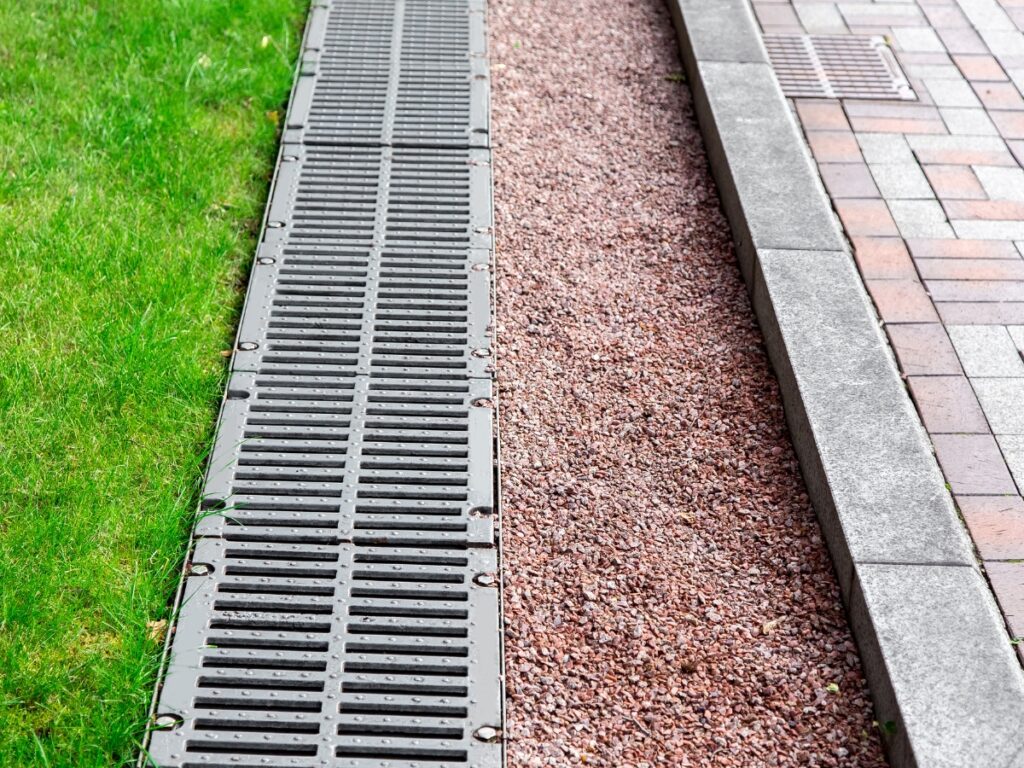
Trench drains, on the other hand, are a clean solution for hardscape surfaces where water flows across concrete or pavers and needs to be intercepted quickly. They are often placed at the edge of a driveway, in front of a garage, or along patio transitions where water tends to collect.
The drain captures runoff through a narrow grate and moves it into a connected drainage line. That helps prevent standing water, reduces slippery surfaces, and protects the hardscape base from being repeatedly soaked.
Both options support long-term durability because they manage water where it causes damage. When stormwater is controlled this way, drainage solutions do more than keep the yard dry. They help hardscapes stay level, stable, and easier to maintain through Atlanta’s rain-heavy seasons.
What Erosion Control Techniques Complement Hardscape Drainage?
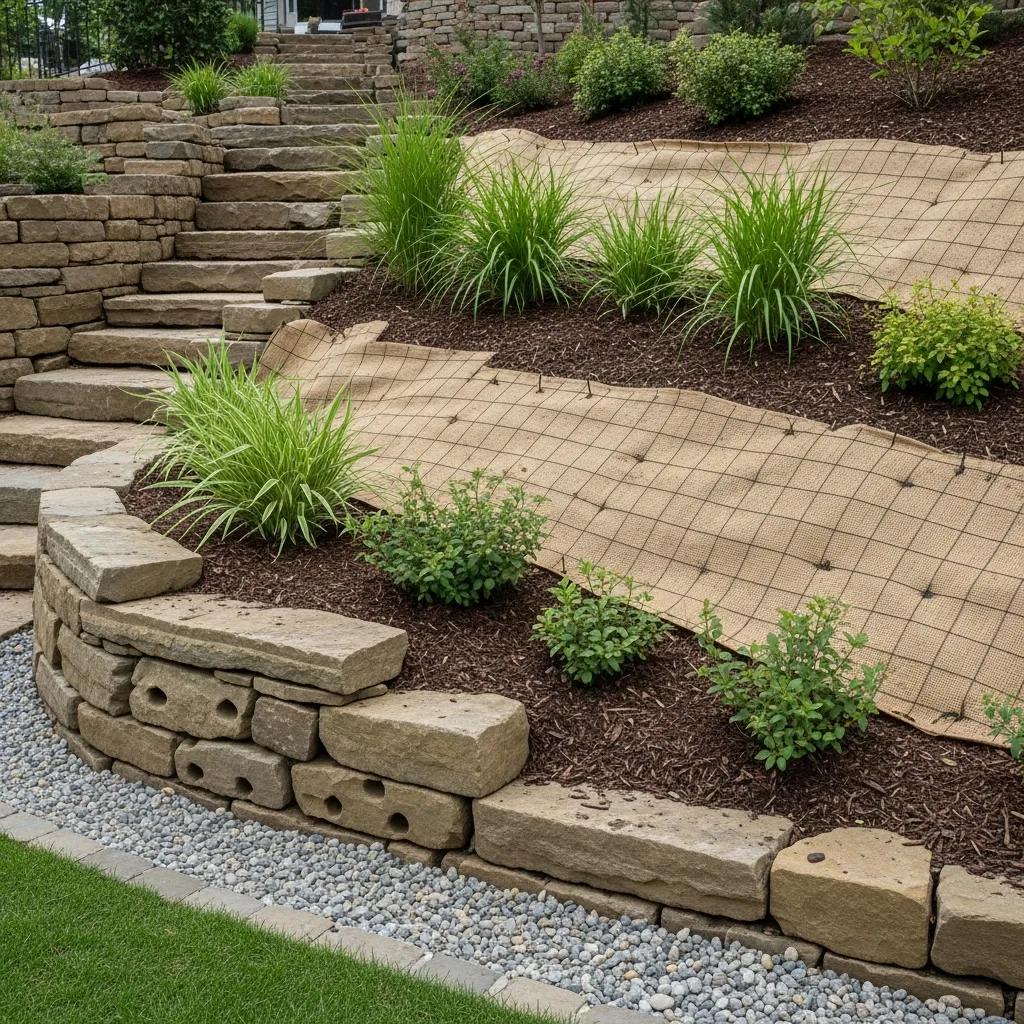
Even the best patios, walkways, and retaining walls can fail early if the surrounding soil keeps washing out. In Atlanta, heavy rain and clay soil create a cycle where runoff moves fast on the surface, then sits and saturates the ground once it reaches low spots.
That combination leads to ruts, exposed roots, and shifting edges along hardscape features. The most reliable approach pairs drainage solutions with erosion control, so water is redirected, and the soil stays in place.
Erosion control is not only about stopping visible washouts. It is also about protecting the base layers beneath pavers, keeping slopes stable, and preventing sediment from clogging drains over time. When drainage and erosion work together, hardscape surfaces stay level longer, and maintenance becomes less frequent.
How Do Retaining Walls Integrate Drainage Systems To Prevent Soil Loss?
Retaining walls are often installed to create usable space on a slope, but they also serve as a frontline defense against erosion. The key is drainage. When water builds up behind a wall, pressure increases and soil can migrate through joints or push the wall out of alignment. That is why smart wall construction includes built-in drainage solutions that relieve pressure and keep backfill stable.
A properly planned wall typically uses free-draining gravel behind it, along with a perforated drain pipe that moves water to a safe discharge point. Weep holes can also help release water in a controlled way, depending on the wall type and design.
These features work together so water does not sit behind the wall long enough to weaken the soil. The result is a structure that holds its line, protects nearby hardscapes, and reduces the risk of sudden washouts after a storm.
Which Soil Stabilization Methods And Native Plants Support Erosion Control?
Soil stabilization is what keeps a yard from unraveling between hardscape sections, especially on slopes and along drainage paths. One common method is geotextile fabric, which adds structure under gravel, mulch, or soil while still allowing water to pass through. It helps prevent soil from migrating into base materials and reduces the chance of sinkholes forming along the edges of patios or walkways.
Native plants are another practical part of erosion control because their root systems hold soil in place and slow runoff. In Atlanta, native grasses, groundcovers, and shrubs can create a living barrier that reduces splash erosion and improves how water moves through the yard.
When combined with mulch or rock in vulnerable areas, planting becomes one of the more natural-looking drainage solutions, especially near dry creek beds, swales, or graded slopes.
When erosion control is built into the plan, drainage solutions work more efficiently, and hardscapes stay cleaner, sturdier, and better supported through the wettest months of the year.
How Do Permeable Pavers And Sustainable Hardscapes Improve Water Management?
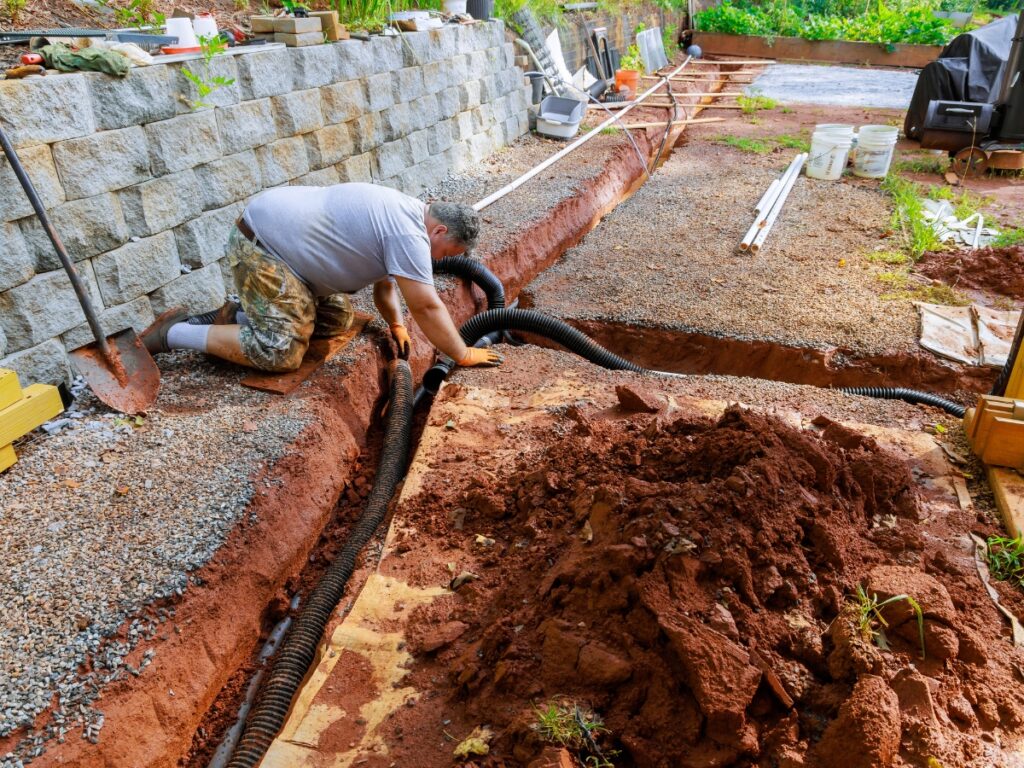
In Atlanta, a lot of drainage problems start with one simple issue: water has nowhere to go. Traditional concrete and tightly set pavers shed rain fast, sending runoff toward low spots, foundations, and areas where soil is already struggling to absorb moisture.
Permeable pavers and sustainable hardscapes help change that pattern by letting water move through the surface instead of racing across it. That shift can reduce pooling, ease pressure on existing drainage systems, and support healthier soil over time.
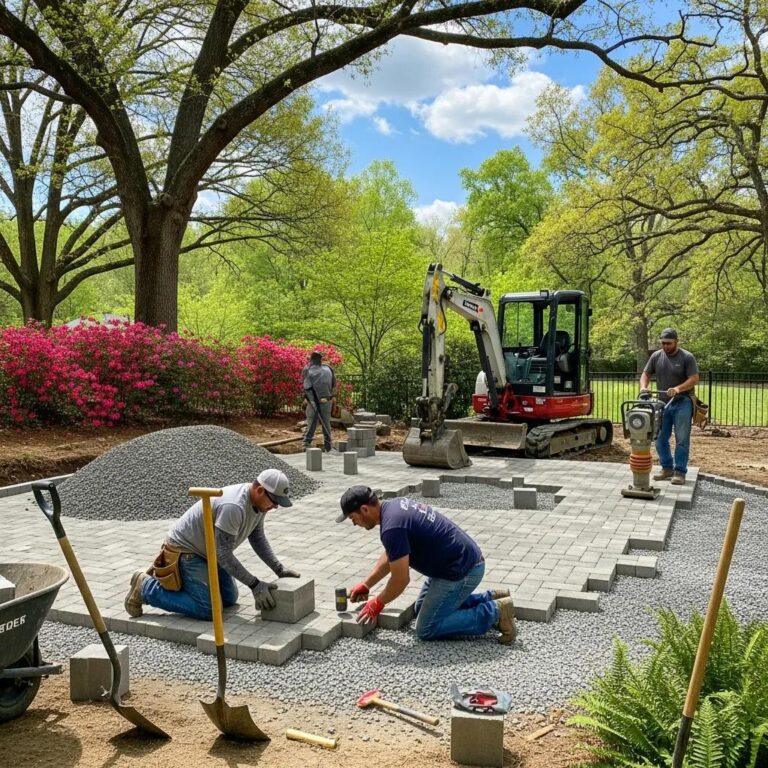
These materials are designed with gaps and layers that guide water downward into a stone base. From there, water either infiltrates into the ground or is directed into a drain system, depending on the site and soil conditions. When done correctly, this approach becomes one of the more practical drainage solutions because it addresses runoff at the source, right where it lands.
What Are The Advantages Of Permeable Paver Installation In Atlanta?
Permeable pavers are a strong fit for Atlanta yards because they help manage heavy rainfall without turning outdoor areas into muddy or slippery zones.
On driveways, patios, and walkways, they reduce surface runoff, which lowers the chance of water collecting near the home or pushing sediment into nearby drains. That matters in neighborhoods with clay soil, where water tends to sit and create soft areas that lead to shifting and erosion.
Permeable systems can also improve the long-term performance of hardscapes by protecting the base layer. When water is allowed to filter through, it is less likely to wash out edges or undermine the structure during repeated storms. Aesthetic flexibility is another plus.
Permeable pavers come in a range of colors and patterns, so homeowners can choose something that looks intentional rather than strictly utilitarian. For many properties, they offer drainage solutions that support both function and curb appeal without relying on visible trenches or surface drains.
Maintenance is straightforward, but it does matter. Keeping joints clear of debris helps preserve permeability, and occasional sweeping or vacuuming can prevent sediment from sealing the surface over time.
How Do Rain Gardens And Eco-Friendly Designs Reduce Runoff?
Rain gardens are a simple way to slow down stormwater and give it a place to soak in naturally. Instead of letting runoff pour off a patio or slope and collect at the bottom of the yard, a rain garden captures water in a shallow planted area. The soil and plant roots filter water as it drains, which reduces erosion and helps keep excess runoff from spilling into streets and storm drains.
Eco-friendly designs often combine rain gardens with smart grading, native plants, and mulch or stone in high-flow areas. Native plants are especially useful because their root systems help stabilize soil and improve absorption.
Over time, that creates a more resilient landscape that can handle downpours with fewer washouts. When paired with permeable pavers, these features become a layered set of drainage solutions that manage water quietly and consistently, even in a rain-heavy season.
What Is The Process For Installing Effective Hardscape Drainage Solutions?
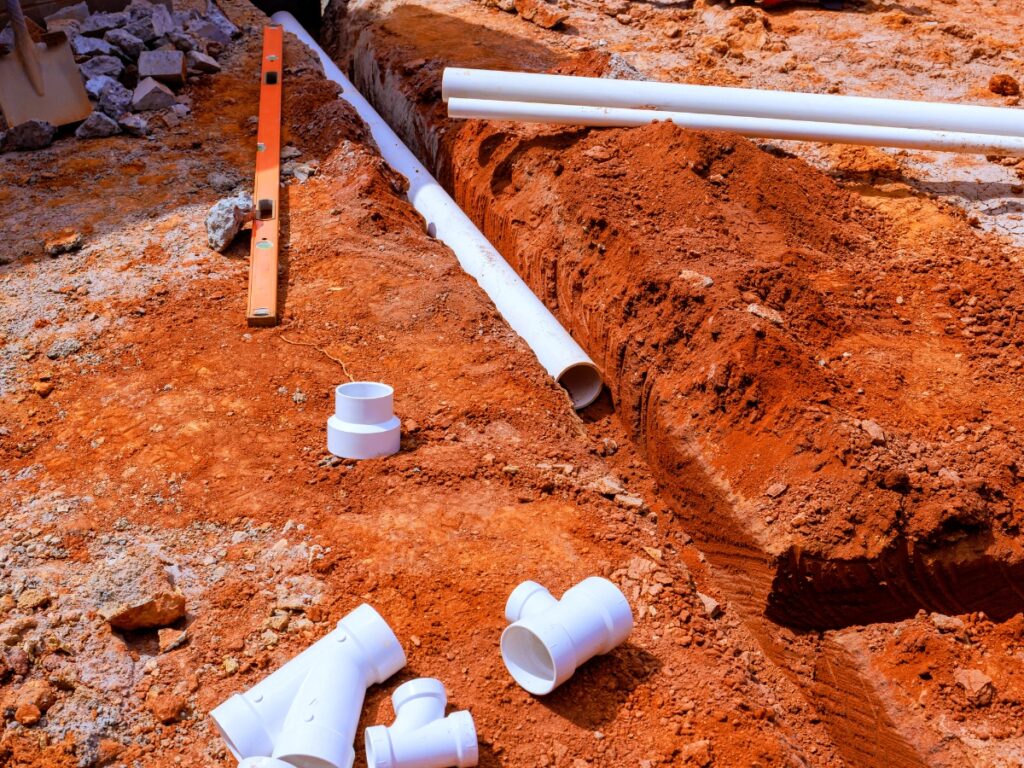
Installing drainage solutions that actually work long-term takes more than adding a pipe or digging a trench. In Atlanta, rain can be heavy, and clay soil slows absorption, so water tends to run across the surface and collect in the same problem areas.
A solid plan looks at how water moves through the entire property, then uses the right mix of grading, collection, and discharge to keep hardscapes stable and the surrounding soil in place.
Most effective drainage solutions start with understanding the cause, not just the symptom. Pooling near a patio, water against the foundation, or erosion along a walkway usually points to a layout issue, a slope problem, or a drainage path that was never clearly defined.
Once those pieces are mapped out, the rest becomes a matter of choosing systems that match the site conditions and the way the space is used.
How Does Atlanta Hardscape Kings Customize Drainage Designs For Local Conditions?
Atlanta Hardscape Kings approaches drainage by designing around the realities of each yard, rather than forcing a one-size-fits-all setup.
That typically begins with a close look at soil type, slope, and where runoff is entering and exiting the property. Clay-heavy areas may need solutions that capture and move water quickly, while yards with mild slopes might benefit more from subtle grading and surface control.
Topography also matters. A backyard that sits below neighboring lots will collect runoff even if the homeowner is careful. In that situation, drainage solutions often need to focus on intercepting water before it reaches low areas, then directing it toward a safe outlet.
Existing hardscapes play a role too, since pavers, retaining walls, and patios can change flow patterns and create new pressure points if water is not managed under and around them.
Customization is also about keeping the finished project looking clean. The best drainage plan is the one that works without drawing attention to itself, which means using concealed channels, properly placed inlets, and finish materials that match the surrounding hardscape.
What Are The Steps From Consultation To Professional Installation?
The process usually starts with a consultation where the homeowner explains what they are seeing, such as standing water after storms, soft spots in the lawn, or washout along edges. Next comes an on-site assessment. This is where measurements, slope checks, and visual mapping help confirm where water is coming from, how it travels, and where it should be redirected.
After the assessment, a plan is developed that outlines the recommended drainage solutions and how they will tie into the existing yard and hardscape.
Installation typically includes site prep, excavation, base work, and then placement of components like drain lines, gravel, and collection points. Final grading and restoration follow, so water sheds correctly and surfaces stay even.
Once everything is in place, homeowners usually receive practical maintenance guidance, such as keeping drains clear of debris and watching for sediment buildup. With good planning and proper installation, drainage solutions hold up better through Atlanta’s wet seasons and help protect the hardscape investment year after year.
Why Choose Atlanta Hardscape Kings For Your Hardscape Drainage Needs?
When you are investing in drainage solutions, the provider matters as much as the materials. Poor drainage can shorten the life of patios, walkways, and retaining walls, and it can also create ongoing issues like erosion, muddy spots, and water that keeps finding its way back to the same low areas.
A strong drainage plan has to fit the property, match the hardscape design, and account for Atlanta’s heavy rain patterns and clay soil.
Atlanta Hardscape Kings is often a good fit for homeowners who want drainage solutions that feel intentional, not patched together. Instead of treating drainage like an add-on, the goal is to build it into the hardscape plan so water is managed before it becomes a problem.
That means thinking about slope, runoff routes, and where water needs to go, whether it is being directed away from a foundation, pulled out of a problem corner of the yard, or controlled near a retaining wall where pressure can build.
What Unique Value Propositions Set Atlanta Hardscape Kings Apart?
One of the biggest advantages is the focus on custom work. Every yard drains differently, even in the same neighborhood. A solution that works on one property might fail on another if the grade, soil compaction, or hardscape footprint is different.
Atlanta Hardscape Kings emphasizes site-specific planning, which helps avoid common issues like water collecting along paver edges, washout near steps, or pooling where a patio meets the lawn.
Their work is also designed to look clean once it is finished. Drainage solutions should not make your outdoor space feel industrial or cluttered. With the right layout, drains and collection points can blend into the hardscape while still doing the job. That balance matters for curb appeal, but it also matters for function since poorly placed drains often get blocked or ignored.
How Do Warranties And Customer Service Ensure Long-Term Satisfaction?
Drainage is not something most homeowners want to revisit every season, so long-term reliability is the point. Warranties help back up the quality of the installation and give homeowners confidence that the work is built to last.
Just as important, good customer service creates a smoother process from planning through completion, especially when decisions need to be made about layout changes, discharge locations, or protecting existing landscaping.
Ongoing support also matters because drainage solutions are only as effective as their upkeep. Even a well-designed system can struggle if downspouts are disconnected, debris builds up, or grading changes over time. Having a team that can answer questions and provide guidance helps homeowners protect the investment and keep water moving where it should.
If you are dealing with standing water, erosion, or hardscapes that never fully dry out after rain, the right drainage solutions can make your yard easier to use and easier to maintain. Choosing a team that plans carefully and installs with long-term performance in mind is one of the simplest ways to get there.
What Are Frequently Asked Questions About Hardscape Drainage In Atlanta?
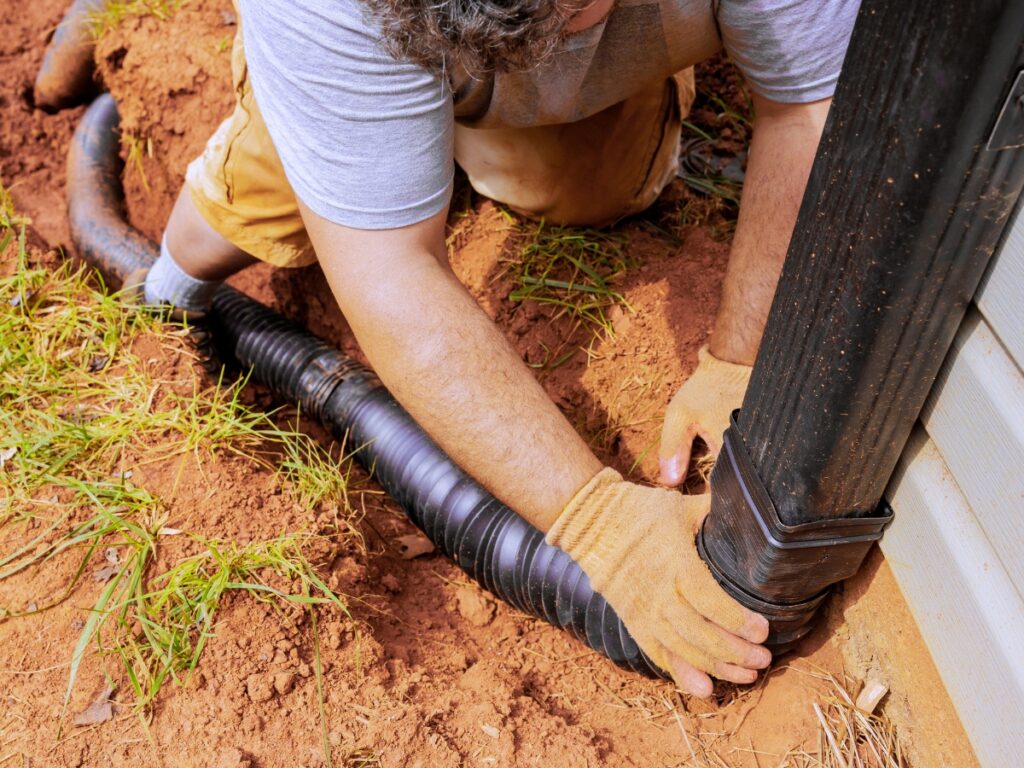
Hardscape drainage can get confusing fast because it involves grading, soil behavior, and how water moves around patios, walkways, and retaining walls.
In Atlanta, clay soil and heavy storms can turn small issues into recurring puddles or erosion. These FAQs cover what homeowners ask most when they are comparing drainage solutions and trying to avoid repeat problems.
How Much Does French Drain Installation Typically Cost In Atlanta?
French drains vary in price based on length, depth, access, and whether the installer has to cut through existing hardscape. In many Atlanta projects, a professionally installed system often lands somewhere between about $1,500 and $4,000, with higher costs for longer runs, deeper excavation, catch basins, or restoration of pavers and landscaping.
Estimates are most useful when they specify where the water will discharge and what gets rebuilt afterward, since those details affect both cost and long-term performance.
What Causes Water To Pool On Patios And Walkways?
Pooling usually comes from one of three issues: the surface is not sloped correctly, the base has settled unevenly, or water has nowhere to go once it reaches the edge of the hardscape.
In some yards, runoff from gutters and downspouts is also dumping too close to the patio, so even a well-built surface gets overwhelmed. The fix depends on whether the problem is the hardscape itself or the surrounding drainage pattern feeding into it.
How Do You Know If Drainage Issues Are Damaging The Foundation?
Drainage problems near the home are more concerning when you see repeated standing water along the foundation line, soil that stays soggy for days, or erosion that exposes the footing area. Indoors, musty smells, damp crawl spaces, or water staining can also point to poor drainage.
Not every wet spot means a foundation issue, but if water consistently collects near the house, it is usually worth addressing sooner rather than later.
Are Catch Basins Or Channel Drains Better For Hardscapes?
Catch basins work well when water naturally funnels into a low point and you need a collection box to move it underground.
Channel drains, sometimes called trench drains, are better when you need to intercept sheet flow across a surface, such as at the edge of a driveway, in front of a garage, or along a patio where water moves in a wide path. Many Atlanta homes use a combination, especially when multiple runoff sources converge during storms.
Do Permeable Pavers Actually Work In Atlanta Clay Soil?
Permeable pavers can work in Atlanta, but they need the right base and a plan for overflow. Clay soil drains slowly, so the system often relies on an engineered aggregate base that temporarily holds water and releases it gradually, sometimes with an underdrain.
If the base is built correctly and maintained, permeable surfaces can reduce puddling and improve day-to-day drainage, but they are not a magic fix for major grading problems.
What Is The Best Time Of Year To Install Drainage Solutions?
Drainage work can be done year-round, but many homeowners prefer drier stretches so installers can see the site conditions clearly and avoid working in saturated soil.
That said, the best timing is often when you can address the problem before the next heavy-rain season, especially if the issue is causing erosion or affecting hardscape stability. If you are already seeing washouts or standing water after normal rainfall, it is usually better to act sooner.
How Can Homeowners Maintain Their Hardscape Drainage Systems?
Most drainage solutions fail gradually when debris builds up or when discharge points get blocked. After storms, check grates, catch basins, and visible outlets for leaves, mulch, and sediment. Keep gutters clear, so overflow does not dump water where the drainage system was never designed to handle it.
Also watch for new low spots or soil movement around pavers and retaining walls, since settling can change where water flows. If water starts pooling again even after cleanup, that can signal a crushed line, clogged pipe, or a slope issue that needs a deeper fix.
When Should You Get A Professional Drainage Assessment?
If you have repeating puddles in the same spots, erosion that keeps coming back, or water collecting near the foundation, a professional assessment can save time and guesswork. It is especially helpful when multiple factors overlap, like downspouts, slope problems, and hardscape settling.
A good assessment should explain what is causing the issue, where water should go, and which drainage solutions match the property instead of relying on a one-size-fits-all approach.
Conclusion
Effective drainage is the unsung hero of a durable and beautiful hardscape, protecting your Atlanta property from erosion, water damage, and costly structural issues. By integrating thoughtful solutions like French drains, grading, and permeable pavers, you ensure your outdoor spaces remain functional and pristine through every season.
For expert design and installation of hardscape drainage systems tailored to Atlanta’s unique climate, trust Atlanta Hardscape Kings. Ready to safeguard your investment and enjoy a worry-free landscape? Call (470) 606-7895 or visit our website to request your free estimate today. Let’s build a foundation that stands strong against the elements.