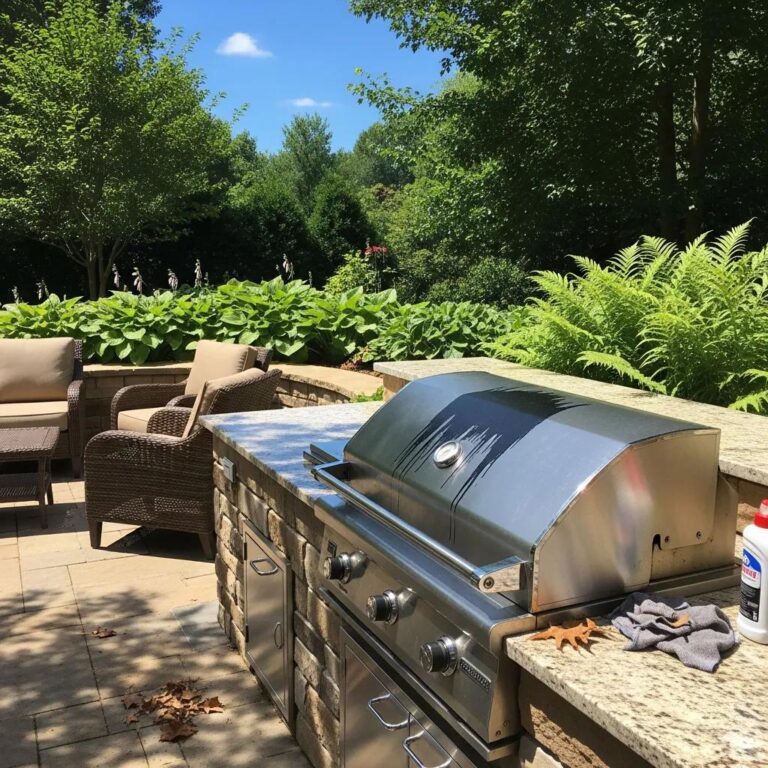
An outdoor kitchen adds convenience, value, and year-round entertaining potential to your backyard, but Atlanta’s heat, humidity, pollen, and seasonal storms can take a toll on exposed appliances and surfaces. Without regular care, stainless steel can corrode, stone countertops can stain, and built-in grills can lose performance.
An outdoor kitchen maintenance guide for Atlanta homeowners helps protect your investment and keep everything functioning smoothly. From routine cleaning and weather protection to inspecting gas lines, electrical components, and drainage, proactive upkeep prevents small issues from turning into costly repairs.
With the right maintenance plan tailored to Atlanta’s climate, your outdoor kitchen can remain clean, efficient, and ready for gatherings in every season.
Outdoor Kitchen Maintenance Tips Every Atlanta Homeowner Needs
Why Is Regular Outdoor Kitchen Maintenance Essential In Atlanta?
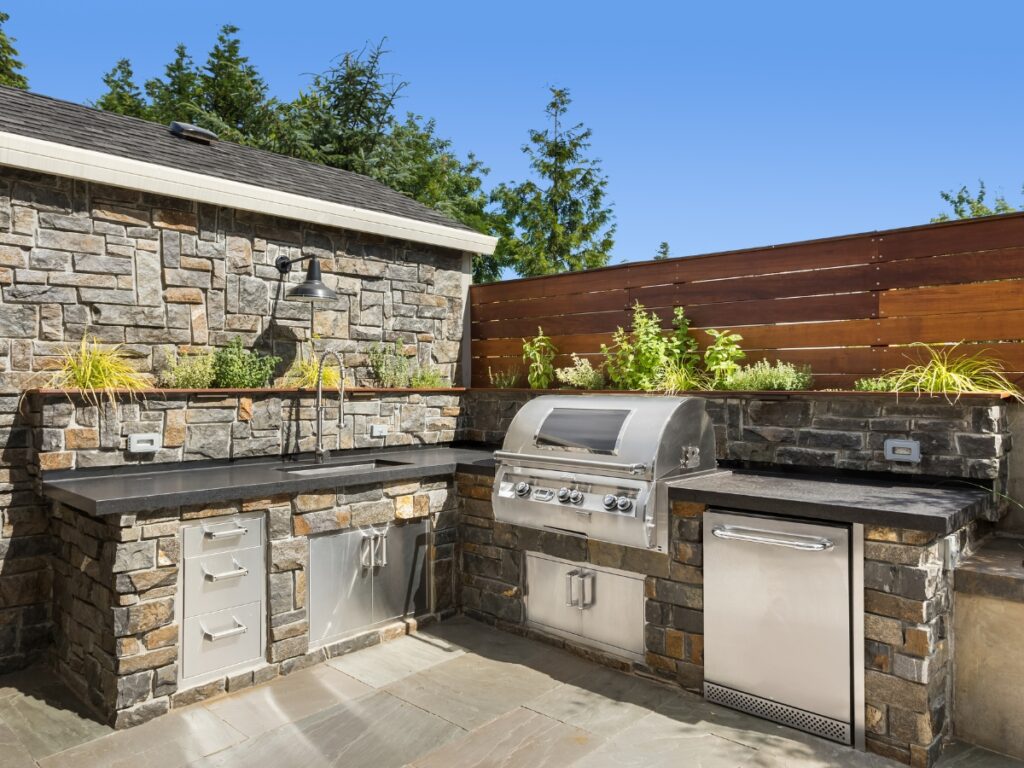
Outdoor kitchens take a beating in Atlanta. Between high humidity, heavy rain, pollen, and long stretches of summer heat, outdoor surfaces and appliances work harder than their indoor counterparts. Regular outdoor kitchen maintenance is what keeps that investment from turning into a constant repair project.
When you stay on top of small issues like pooled water, grime buildup, or loose hardware, you avoid the bigger problems that tend to show up later, such as warped surfaces, rusted components, or mildew that is tough to remove.
Maintenance also keeps the space enjoyable. A clean grill that heats evenly, counters that are easy to wipe down, and a floor that is not slick after rain all make it more likely you will actually use your setup. Even if you only cook outside on weekends, a few consistent habits can protect the look and function of the entire area. In Atlanta, the goal is not perfection. It is prevention.
How Does Maintenance Extend The Life Of Your Outdoor Kitchen?
The simplest way to think about outdoor kitchen maintenance is that you are reducing wear before it becomes damage. Grease left on stainless steel can discolor finishes. Water that sits at the base of cabinets can lead to swelling or rot, depending on the materials. Grout lines and seams can slowly open up, and once water gets in, it tends to spread problems from the inside out.
A practical routine focuses on what fails first. Start with surfaces that collect residue and moisture. After cooking, letting grease harden on grills and counters makes cleaning harder and increases the chance of staining. It also attracts pests, which is an avoidable headache in warmer months.
The same goes for sinks and drains. When food debris and grime build up, you are more likely to deal with slow drainage, odors, and bacteria.
Seasonal checks matter too, especially after storms or long heat waves. If you catch a small crack in a counter seam, a loose tile, or a wobbly cabinet door early, the fix is usually quick and inexpensive. If you ignore it, the surrounding materials can start to shift, and that is where repair costs jump.
Over time, consistent outdoor kitchen maintenance keeps appliances working as intended, helps surfaces stay in good shape, and lowers the chance that you will need major replacements.
What Are The Unique Atlanta Climate Challenges For Outdoor Kitchens?
Atlanta weather is not extreme in just one way. It is a mix of moisture, heat, and seasonal swings that can quietly wear down outdoor spaces.
Humidity is one of the biggest issues. It encourages mildew on stone, grout, and sealed counters, and it speeds up corrosion on metal components if they are not cleaned and dried regularly. Even stainless steel can spot or rust when grime and moisture sit on it.
Rainfall and quick downpours create another set of problems. Outdoor kitchens need good drainage, not just for comfort, but for protection. When water pools near cabinetry, posts, or the base of islands, it can seep into gaps and joints. Over time, that can lead to shifting, cracking, or soft spots.
Keeping an eye on runoff patterns around the space is part of smart outdoor kitchen maintenance, especially if the area is built near a slope or close to landscaping that holds water.
Heat is the other major factor. Atlanta summers can be relentless, and materials expand as they heat up. When temperatures drop at night or shift with the seasons, expansion and contraction can stress seams, grout lines, and certain countertop materials.
Add in a cold snap during winter, and you can see more cracking or separation in spots that were already vulnerable. Sun exposure also fades finishes and can dry out some sealants faster than people expect.
The good news is that these issues are manageable when you plan for them. Cleaning and drying surfaces, checking seals and joints, and keeping drainage clear all work together. If you treat outdoor kitchen maintenance as a regular part of owning the space, Atlanta’s climate becomes something you work with, not something that ruins your setup.
How to Clean and Maintain Outdoor Kitchen Appliances Effectively?
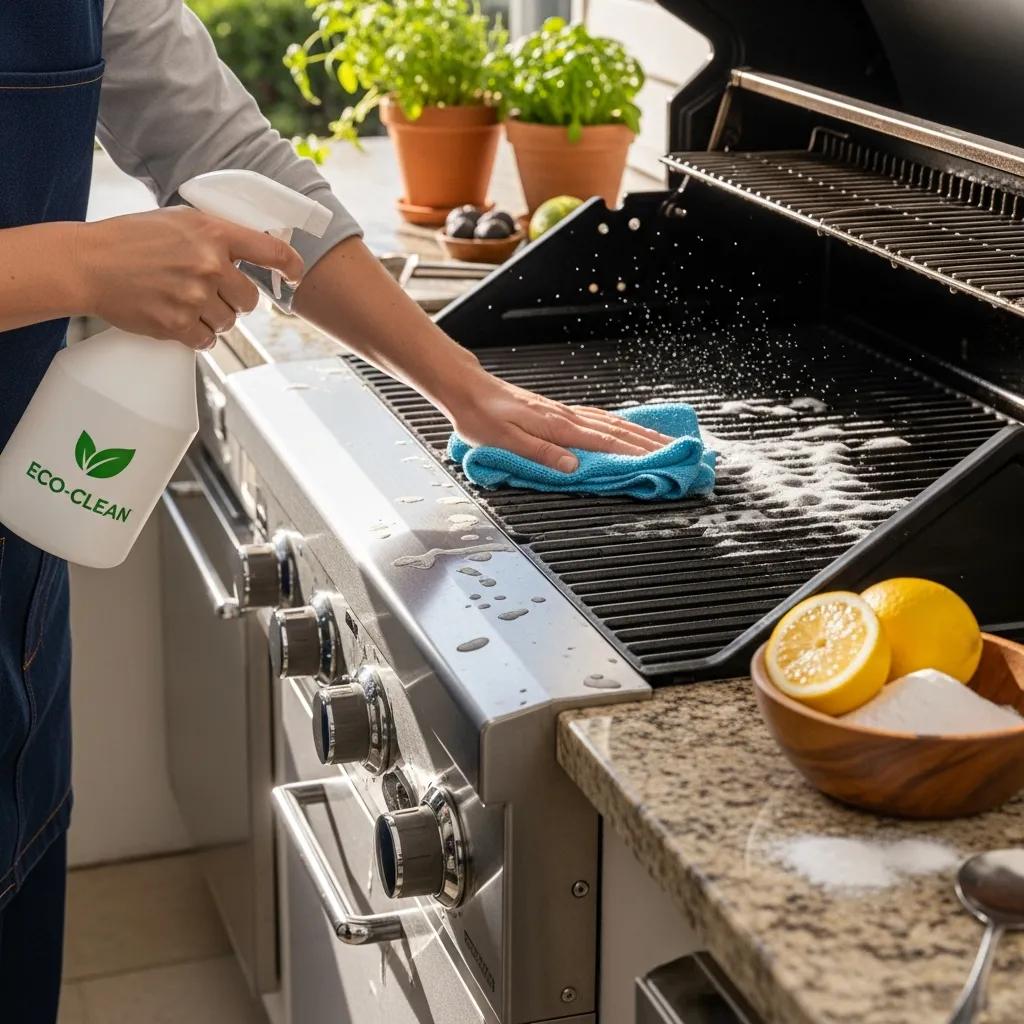
Outdoor kitchen maintenance is easiest when you treat it like routine home care instead of a once-a-year project. In Atlanta, appliances and surfaces collect a mix of grease, pollen, moisture, and dust that can dull finishes and shorten the life of your setup if it sits too long.
A simple habit is to do a quick check every week or two, especially during peak cooking months. Look for fresh stains, standing water around the base of appliances, loose debris in corners, and any movement in panels or doors that used to sit flush.
When it is time to clean, focus on gentle methods that protect finishes. A soft cloth, warm water, and mild cleaner are usually enough for most exterior surfaces. If you use a hose, keep the pressure low and avoid spraying directly into vents, burners, or electrical areas.
Grease buildup is best handled early, since it becomes harder to remove once it bakes on in the heat. After cleaning, take a minute to dry stainless steel and painted surfaces, because leaving water on them is one of the fastest ways to end up with spots, streaking, or rust over time.
Drainage is another quiet issue that makes a big difference. If your outdoor kitchen has a sink, floor drains, or water tends to run through the area during storms, keep those drainage points clear. Clogged drains can cause pooling that leads to mildew and swelling around cabinetry, and it can also create a slick surface underfoot.
Seasonal transitions are a good reminder to rinse down the area, check seams and joints, and clear leaves or mulch that drift into corners. For outdoor kitchen maintenance that holds up long-term, plan for one deeper clean each year where you pull appliances slightly forward if possible, clean behind and underneath, and look for early wear before it becomes a repair.
What Are The Best Grill Maintenance Tips For Atlanta Outdoor Kitchens?
Grills are usually the hardest-working appliance in an outdoor kitchen, so they benefit the most from consistent care. After cooking, let the grill run a few minutes to burn off residue, then brush the grates while they are still warm. This keeps food particles from hardening and reduces flare-ups next time. If you wait until the grease cools and sticks, you end up scrubbing harder and wearing down grates faster.
A deeper clean every few weeks, depending on how often you cook, helps the grill heat more evenly. Remove grates and heat plates if your model allows it, then clear ash and grease from the firebox. Built-up grease is not just messy. It can affect performance and increase the chance of smoke and flare issues.
If you use gas, check connections occasionally. You do not need to overthink it, but you should pay attention to unusual smells, weak flames, or uneven burners since those are often early signs that something needs adjusting or replacing.
Because Atlanta weather is humid and storms can roll through quickly, covering the grill matters even when it is under a patio. A fitted cover reduces moisture exposure and keeps pollen from settling into vents and on surfaces. It also saves cleaning time later, which is one of the best reasons to keep outdoor kitchen maintenance simple and consistent.
How To Clean And Care For Outdoor Refrigerators And Ice Makers?
Outdoor refrigeration has a tougher job than indoor units because it is fighting heat and humidity while dealing with frequent door openings.
Start with the basics: wipe down handles and exterior surfaces regularly to keep grime and pollen from building up. Inside, clean spills early and do a quick wipe of shelves so odors do not settle in. For outdoor kitchen maintenance, this is one of those small tasks that makes the entire space feel cleaner.
Temperature checks matter too. During hot months, an outdoor refrigerator may need a slightly different setting than it does in cooler weather. If items do not feel as cold as they should, do not assume the unit is failing right away.
First, check airflow. Many outdoor fridges have vents that can get blocked by dust or leaves, and restricted airflow makes cooling less efficient. Cleaning the vent area carefully can improve performance more than people expect.
Ice makers need a little extra attention because water plus heat can cause buildup. Keep the interior clean, follow the manufacturer’s cleaning cycle if it has one, and check the drain line so water does not pool.
If you notice a musty smell or slow ice production, it is often a sign that the unit needs a cleaning and a quick inspection for clogs. With steady outdoor kitchen maintenance, refrigerators and ice makers stay reliable, and you avoid the frustrating mid-summer surprise of a unit that cannot keep up.
What Are the Best Practices for Outdoor Kitchen Surface and Cabinetry Care?
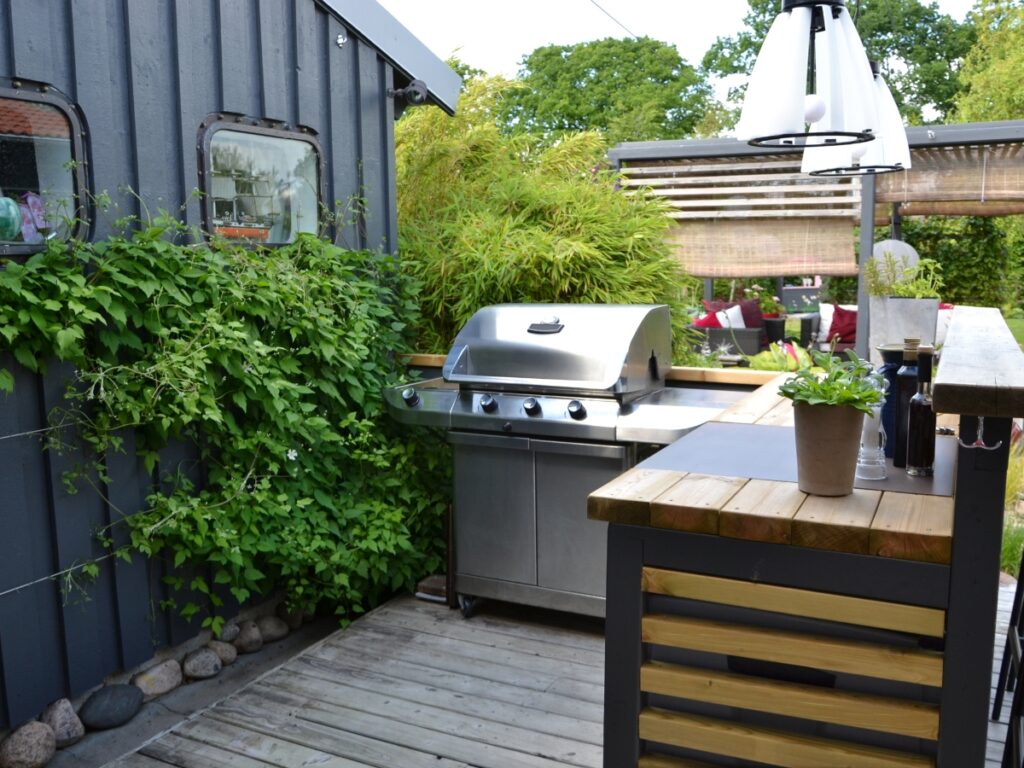
Outdoor kitchen maintenance is not only about appliances. The surfaces and cabinetry around them take just as much exposure to heat, rain, grease, and foot traffic. In Atlanta, pollen, humidity, and sudden storms can leave residue behind that slowly wears down finishes if it is ignored. A simple routine keeps that from happening.
Start with the ground and work up. Keeping paved areas swept reduces staining and prevents grit from scratching countertops or cabinet faces when it gets tracked around.
When grime builds up, wash surfaces with a mild cleaner and low-pressure rinse. High pressure might seem faster, but it can force water into seams and joints, which leads to bigger problems later. After washing, let everything dry properly, especially around edges and corners where moisture tends to sit.
Inspect joints, seams, and edges regularly. If you notice sand washing out between pavers, small gaps forming along counters, or weeds creeping into cracks, take care of them early. These small shifts often signal drainage issues or minor settling. Addressing them as part of outdoor kitchen maintenance prevents water from getting under surfaces and weakening the structure.
Sealing is another key step for stone or concrete finishes. Follow the manufacturer’s recommendations for timing, since over-sealing or under-sealing can both cause issues.
A properly sealed surface resists stains, holds its color, and is easier to wipe down after cooking. Plan a more detailed clean and inspection once a year so you can check for movement, fading, or worn sealant before it becomes noticeable damage.
How Do You Clean And Protect Different Countertop Materials?
Each countertop material responds differently to cleaning, so outdoor kitchen maintenance should match the surface you have installed. Granite is durable, but it still benefits from a pH-balanced cleaner. Acidic products can dull the finish over time, even if the change is gradual. Wiping spills quickly, especially from sauces, wine, or citrus, keeps the surface looking consistent.
Stainless steel counters need a lighter touch. Use a soft cloth and mild detergent, and wipe in the direction of the grain to reduce streaking. Avoid harsh scrub pads, since they leave fine scratches that trap dirt. After cleaning, drying the surface helps prevent water spots, which are more noticeable in humid climates.
Wood countertops require extra care because they expand and contract with moisture. Use a gentle soap solution and avoid soaking the surface.
Too much water can lead to swelling or warping. Reapplying a protective oil or finish as recommended keeps the wood from drying out under direct sun exposure. With regular outdoor kitchen maintenance, even natural materials can hold up well in a changing climate.
What Are The Maintenance Tips For Stainless Steel And Other Cabinetry?
Cabinetry often gets overlooked until a door sticks or a finish starts to fade. Stainless steel cabinets are popular for outdoor spaces because they resist rust better than many materials, but they are not immune.
Frequent wiping removes grease and airborne debris that can slowly corrode the surface. Non-abrasive cleaners are essential. Scratches not only affect appearance, but they also create places for moisture to settle.
Check hinges, handles, and fasteners a few times each year. Hardware can loosen slightly with repeated use and temperature changes. Tightening screws and aligning doors keeps everything operating smoothly and reduces stress on the frames. If you notice early signs of rust, address them right away with appropriate treatment rather than letting them spread.
For non-metal cabinetry, especially composite or wood-based materials, watch for soft spots, discoloration, or swelling near the base. These signs often point to drainage or moisture issues. Part of effective outdoor kitchen maintenance is making sure water does not collect around the base of cabinets after rain or cleaning.
Consistent care of surfaces and cabinetry protects both the look and function of your space. When outdoor kitchen maintenance becomes part of your regular routine, small issues stay small, and your kitchen remains ready for use without constant repairs.
How Should You Prepare Your Outdoor Kitchen for Seasonal Changes in Atlanta?
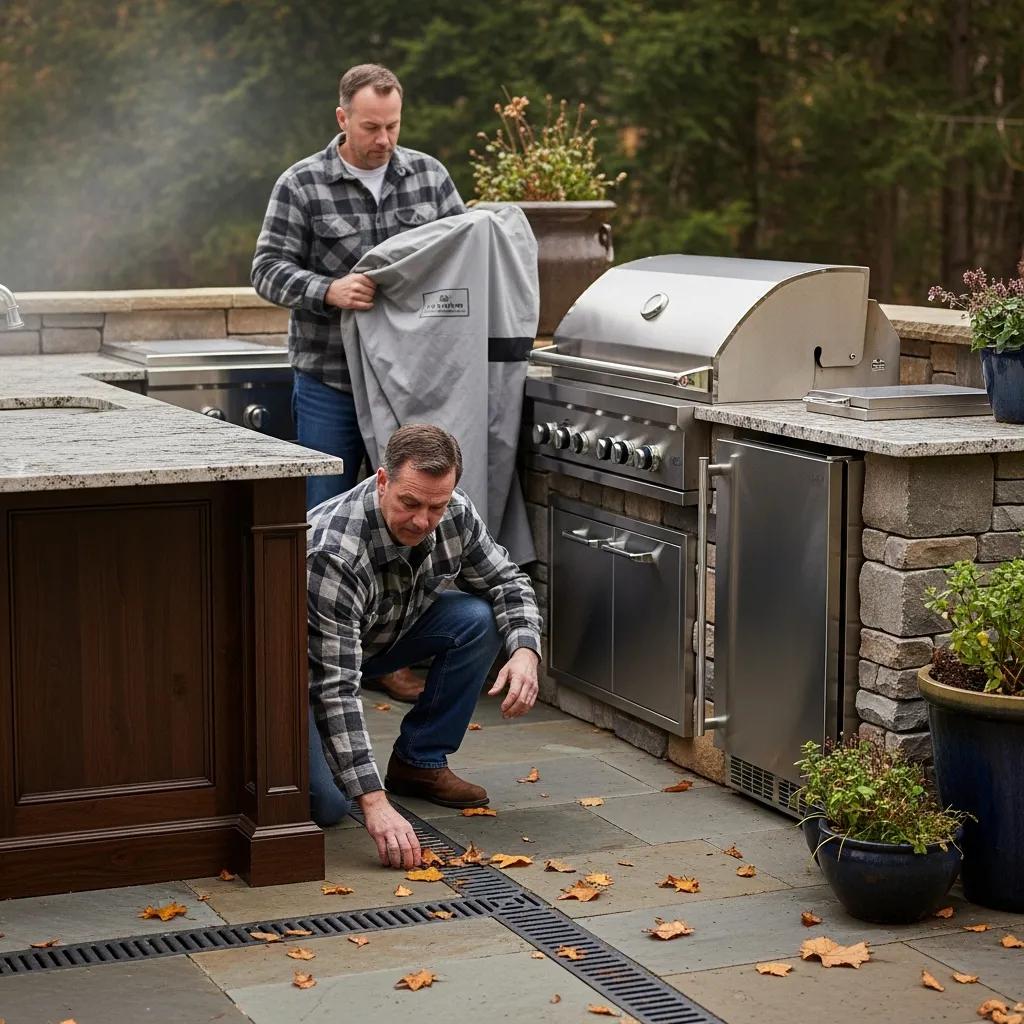
Atlanta’s seasons bring heat, humidity, heavy rain, and the occasional freeze. Each shift puts different stress on appliances, plumbing, and finishes.
Preparing for those changes is one of the most important parts of outdoor kitchen maintenance. When you adjust your routine before temperatures swing, you reduce the risk of cracked pipes, rusted components, and stained surfaces.
Seasonal preparation does not need to be complicated. It simply requires paying attention to water lines, gas connections, drainage, and protective covers. A few preventive steps at the right time of year can extend the life of your appliances and keep your outdoor kitchen ready for use without last-minute repairs.
What Is The Step By Step Winterization Process For Outdoor Kitchens?
Even though Atlanta winters are not severe every year, freezing nights still pose a risk. Water is the biggest concern. If your outdoor kitchen includes a sink or refrigerator with a water line, drain those lines fully before temperatures drop. Standing water inside pipes can freeze and expand, leading to cracks that only show up once everything thaws.
Gas connections should also be checked before winter. If you plan to use your grill less during colder months, make sure fittings are secure and free from wear. Some homeowners choose to disconnect certain components, but whether or not that is necessary depends on your setup. What matters most is confirming that connections are tight and protected from moisture.
Protective covers are another simple but effective step. Covers shield grills, refrigerators, and cabinetry from rain and debris during the off-season. They also reduce moisture exposure, which is especially helpful during damp winter weeks. Bringing loose items indoors, such as utensils, portable burners, or fabric elements, prevents weather damage and keeps everything cleaner for spring.
Outdoor kitchen maintenance in winter is mostly about prevention. Draining water, protecting surfaces, and checking connections now can save you from unexpected repairs later.
How To Perform Spring And Summer Maintenance For Optimal Performance?
Spring is the reset season. Before you begin using the space regularly again, inspect appliances, countertops, cabinetry, and hardscape areas for any changes that happened during winter.
Look for small cracks in grout lines, loose fasteners on cabinet doors, or water stains that may have formed during heavy rains. Cleaning surfaces thoroughly at the start of the season helps remove residue and gives you a clear view of any developing issues.
As temperatures rise, weekly or biweekly walk-throughs become part of practical outdoor kitchen maintenance. Check for new stains, debris buildup, or minor settling in paved areas.
Sweep regularly to prevent grit from scratching surfaces, and rinse down countertops when grime starts to accumulate. Low-pressure washing with a mild cleaner is usually enough to keep finishes intact.
Drainage should also stay on your radar. Atlanta’s summer storms can drop significant rainfall in a short time. Make sure water is not pooling around cabinetry bases, retaining walls, or paver joints. If sand between pavers begins washing out or gaps appear, re-sanding early helps stabilize the surface before movement becomes more noticeable.
Sealing stone or concrete surfaces as recommended protects color and makes routine cleaning easier. High-traffic areas benefit the most, especially around grills and prep zones where grease can build up. For artificial turf, remove debris and brush down flattened sections to keep the surface even. Retaining walls should be checked for proper drainage so water does not build up behind them.
Outdoor kitchen maintenance during warm months focuses on consistent upkeep rather than heavy repairs. When you stay ahead of minor wear and address issues as they appear, the space remains functional and attractive all season long.
By preparing for winter carefully and staying attentive through spring and summer, you create a steady maintenance cycle. That cycle protects appliances, surfaces, and structural elements, allowing your outdoor kitchen to handle Atlanta’s shifting weather without losing performance or appeal.
What Common Outdoor Kitchen Problems Require Professional Attention?
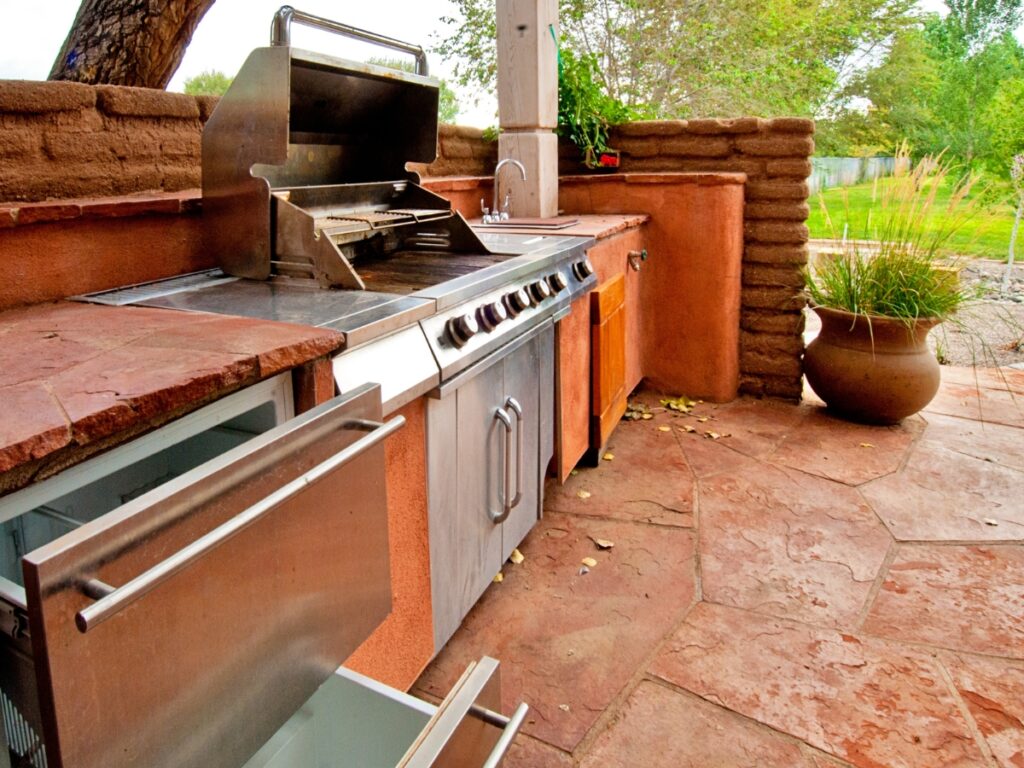
Even with consistent outdoor kitchen maintenance, some problems move beyond routine care and call for professional evaluation. Drainage issues are one of the most common.
If you notice water pooling near cabinetry, under appliances, or along paver edges after heavy rain, it may signal grading or drainage design problems. Left alone, standing water can weaken the base beneath hardscapes and slowly shift the structure.
Structural movement is another red flag. Small hairline cracks can be normal in certain materials, but bulging walls, sinking pavers, or noticeable separation between counters and cabinetry usually mean something underneath has shifted.
In these cases, adding more sand or sealant will not solve the root issue. A professional can determine whether the base needs reinforcement or if drainage corrections are required.
Surface damage that keeps returning is also worth a closer look. If pavers repeatedly sink or joints continue to widen after you refill them, it suggests an underlying stability problem.
Weed growth in joints may seem minor, but when it becomes frequent, it often indicates moisture retention or deteriorating joint material. Part of smart outdoor kitchen maintenance is knowing when a quick fix is no longer enough.
When Should You Call A Professional For Grill Or Appliance Repairs?
Outdoor appliances are exposed to more stress than indoor equipment, which makes early diagnosis important.
If your grill has persistent ignition issues that do not resolve after cleaning and checking the basics, it may be time to involve a technician. Ignition systems, regulators, and internal burners can wear out, and attempting to repair them without proper knowledge can create safety concerns.
Any suspicion of a gas leak requires immediate professional attention. Unusual smells, hissing sounds near connections, or inconsistent flame patterns should not be ignored.
While routine outdoor kitchen maintenance includes checking visible connections and keeping fittings clean, deeper mechanical issues should be handled by someone trained to work with gas systems safely.
Electrical appliances such as refrigerators and ice makers can also develop problems that go beyond surface cleaning. If you notice temperature fluctuations, tripped breakers, or repeated power interruptions, it is safer to consult a qualified technician. Electrical components exposed to moisture and heat can degrade over time, and early repair prevents larger failures.
How Does Proper Drainage And Pest Control Affect Kitchen Longevity?
Drainage influences almost every part of an outdoor kitchen. When water flows away from the structure as intended, materials dry faster and are less likely to crack, swell, or rust.
Poor drainage, on the other hand, creates long-term stress. Water can seep under counters, soften the base beneath pavers, and collect around cabinet supports. Over time, this weakens the entire structure.
Pest control is closely linked to drainage and cleanliness. Standing water attracts insects, and grease buildup draws rodents. Regular outdoor kitchen maintenance that includes cleaning food residue, sealing small gaps, and clearing drains reduces these risks significantly. Once pests establish a presence, they can chew wiring, damage insulation, and contaminate surfaces.
Managing runoff from nearby landscaping also plays a role. Soil erosion around retaining walls or patios can change how water moves through the space. If you notice mud deposits or shifting edges after storms, it may be a sign that grading adjustments are needed. Addressing these concerns early protects the structural integrity of your setup.
Outdoor kitchen maintenance is most effective when routine care and professional evaluation work together. Regular cleaning and inspections prevent many issues, but structural movement, recurring water problems, and mechanical appliance failures deserve expert attention.
By recognizing the difference between minor wear and developing damage, you protect your investment and extend the life of your outdoor kitchen for years to come.
Which Cleaning Products and Tools Are Safe and Effective for Outdoor Kitchens?
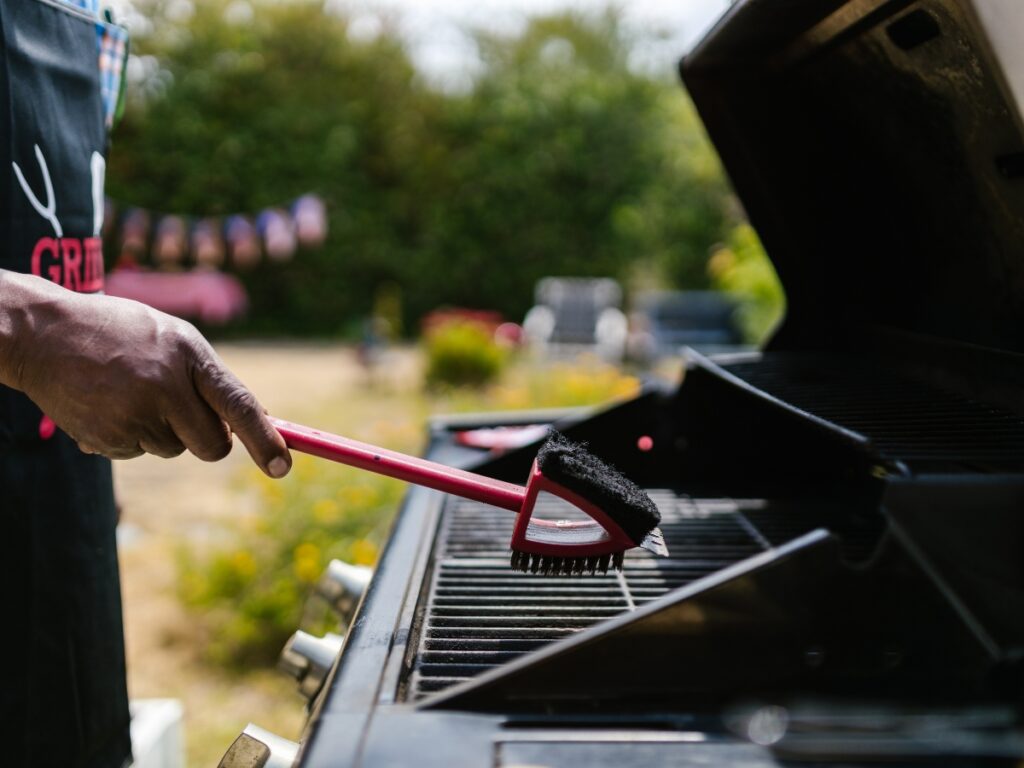
Choosing the right supplies makes outdoor kitchen maintenance easier and protects the materials you invested in. Outdoor kitchens are exposed to heat, moisture, grease, and pollen, so surfaces need regular cleaning.
At the same time, harsh chemicals and abrasive tools can cause more harm than good. Using mild, surface-appropriate products helps you clean effectively without dulling finishes or damaging seals.
For most general cleaning, a pH-balanced detergent mixed with warm water is enough. This works well on countertops, cabinet faces, and many hardscape surfaces. It removes grease and light grime without stripping protective coatings. Non-abrasive tools are just as important.
Soft cloths, microfiber towels, and gentle sponges help lift residue while preventing scratches. Metal scrub pads may remove buildup quickly, but they often leave behind fine scratches that trap dirt and moisture over time.
Eco-conscious homeowners can also choose biodegradable cleaners that break down naturally. These options support outdoor kitchen maintenance without introducing harsh chemicals into surrounding landscaping.
Since outdoor kitchens are often near gardens, lawns, and drainage systems, it makes sense to use products that are safer for soil and plants. The key is balance. You want something strong enough to clean, but gentle enough to protect finishes and the environment.
What Are The Recommended Cleaners For Stainless Steel And Stone Surfaces?
Different materials require slightly different care. Stainless steel is common in grills, cabinet fronts, and counters. It holds up well outdoors, but it shows fingerprints, grease, and water spots easily.
A cleaner specifically labeled for stainless steel is often the best choice. These products are designed to remove smudges without scratching. Always wipe in the direction of the grain to maintain a consistent finish and reduce streaking.
After cleaning, drying stainless steel surfaces prevents spotting, especially in humid climates. Outdoor kitchen maintenance in places like Atlanta often includes wiping down metal surfaces more frequently because humidity can accelerate corrosion if grime sits too long.
Stone countertops and paver surfaces require a different approach. Natural stone is porous and can react poorly to acidic cleaners. A pH-neutral stone cleaner helps lift dirt without dulling the surface or breaking down sealants.
For sealed stone, following the manufacturer’s recommendations keeps the protective layer intact. Avoid products that contain vinegar or citrus-based ingredients, since they can slowly etch certain stone finishes.
Concrete surfaces benefit from gentle washing as well. Low-pressure rinsing and mild cleaners protect the color and texture. Strong pressure washers can force water into joints and small cracks, which weakens the structure over time. Outdoor kitchen maintenance is most effective when cleaning supports longevity rather than creating new issues.
How To Choose Eco-Friendly and Efficient Cleaning Solutions?
Selecting eco-friendly cleaning products does not mean sacrificing performance. Look for solutions labeled biodegradable and non-toxic, especially if runoff may reach nearby landscaping. These products break down more naturally and reduce the risk of harming grass, soil, or nearby plants.
Reading product labels carefully also helps. Some cleaners advertise as “natural” but still contain harsh additives. Focus on ingredients designed for the specific material you are cleaning. A cleaner that works well for stainless steel may not be suitable for sealed stone, and vice versa. Matching product to surface prevents unnecessary wear.
Efficiency matters too. A good cleaning solution should reduce the need for repeated scrubbing. If you find yourself using excessive force to remove buildup, the product may not be appropriate for that material. Outdoor kitchen maintenance works best when cleaning is consistent and manageable, not exhausting.
By choosing the right products and tools, you protect finishes, extend appliance life, and simplify routine care. Safe, effective cleaning is one of the most important parts of long-term outdoor kitchen maintenance, ensuring your space stays functional and visually appealing season after season.
How Does Outdoor Kitchen Maintenance Connect To Overall Hardscape Upkeep In Atlanta?
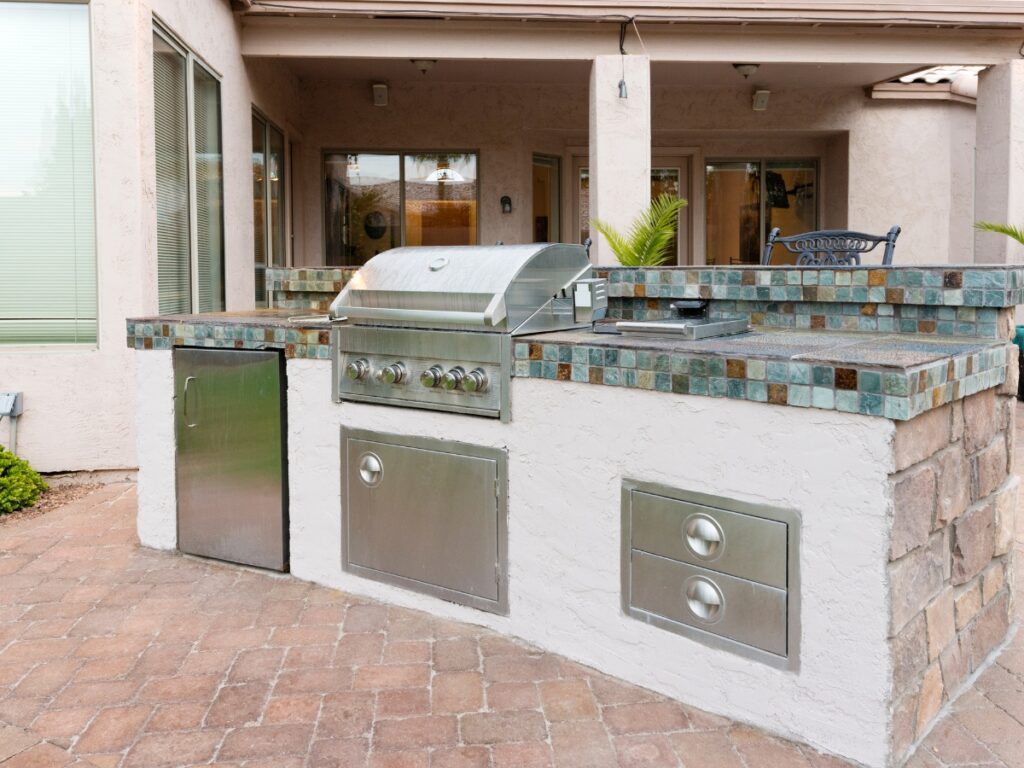
Outdoor kitchen maintenance does not happen in isolation. Your grill island, countertops, and cabinetry sit on patios, next to retaining walls, and often near fireplaces or fire pits.
When one part of the space shifts or deteriorates, the impact rarely stays contained. In Atlanta, where humidity, heavy rain, and heat all play a role, the connection between the kitchen and the surrounding hardscape becomes even more important.
For example, drainage issues that begin in a patio area can quickly affect the base of an outdoor kitchen. If pavers settle or joints begin to widen, water may start pooling near cabinetry or appliance bases.
Over time, that moisture can weaken supports, stain surfaces, and create mildew problems. Consistent outdoor kitchen maintenance includes watching how water flows across the entire hardscape, not just within the kitchen footprint.
Surface care follows the same pattern. If patio pavers are not swept and rinsed regularly, grit and debris get tracked onto kitchen floors and counters. That debris can scratch finishes or settle into joints. Treating the kitchen and patio as one connected environment helps you stay ahead of these issues. A unified maintenance routine protects appearance and function across the entire outdoor living space.
Why Is Maintaining Patios And Fireplaces Important For Kitchen Longevity?
Patios and fireplaces form the foundation around many outdoor kitchens. If the base shifts, everything built on or next to it can feel the effects. Small cracks in patio slabs, uneven pavers, or movement in retaining walls may seem cosmetic at first. However, these signs often point to settling or drainage concerns that can affect nearby structures.
Fireplaces and fire pits introduce additional wear. Heat exposure can cause expansion and contraction in surrounding materials. If joints or mortar begin to deteriorate, debris can accumulate, and moisture can enter small openings.
Over time, this may affect adjacent cabinetry or counters. Outdoor kitchen maintenance that includes inspecting nearby fire features helps prevent heat-related wear from spreading.
Weed growth in joints is another signal worth noting. When weeds push through paver seams, they can widen gaps and trap moisture. This creates an environment where surfaces stay damp longer than they should, increasing the risk of staining or shifting. By maintaining patios and fire features regularly, you reduce the stress placed on the kitchen structure itself.
The overall appearance of the space also matters. An outdoor kitchen may be in good condition, but if the surrounding patio looks worn or uneven, the entire area feels neglected. Consistent care across all hardscape elements supports both durability and visual appeal.
How Can Professional Hardscape Support Strengthen Long-Term Maintenance?
While homeowners can handle routine outdoor kitchen maintenance, structural concerns sometimes require professional evaluation. Issues such as repeated paver sinking, persistent water runoff toward the kitchen, or visible movement in retaining walls may indicate base problems that need correction.
Experienced hardscape professionals can assess grading, drainage patterns, and foundation stability. Correcting these underlying issues supports long-term outdoor kitchen maintenance by preventing recurring damage. Even low-maintenance materials require a stable base to perform as intended.
Professional guidance can also help when updating or expanding an outdoor living area. Adding a new patio section, adjusting drainage channels, or reinforcing high-traffic zones can reduce wear on the kitchen area over time. Rather than treating the kitchen as a standalone feature, this approach views the entire yard as one connected system.
In Atlanta’s climate, where weather shifts can stress materials in different ways throughout the year, coordinated upkeep makes a noticeable difference. When outdoor kitchen maintenance is integrated with patio, fireplace, and retaining wall care, the result is a more durable and dependable outdoor space. Keeping these elements aligned protects your investment and allows the entire hardscape to function as a cohesive, long-lasting environment.
Conclusion
Proper maintenance is the key to preserving your outdoor kitchen’s beauty and functionality through Atlanta’s varied seasons, protecting your investment for years of memorable gatherings.
From routine cleaning of appliances to sealing stone surfaces and winterizing components, consistent care ensures your outdoor culinary space remains ready for action.
For expert design, installation, and maintenance guidance, trust Atlanta Hardscape Kings. Ready to enjoy a beautifully maintained outdoor kitchen year-round? Call (470) 606-7895 or visit our website to request your free estimate today. Let us help you build and protect the outdoor living space of your dreams.