Investing in professional hardscaping is a transformative home improvement that goes far beyond aesthetics, delivering lasting functional, financial, and lifestyle benefits. By incorporating elements like patios, walkways, retaining walls, and outdoor kitchens, you create defined, usable spaces that increase property value, reduce landscape maintenance, and extend your living area into the outdoors.
In this guide, we’ll explore the key benefits of hardscaping—from boosting curb appeal and controlling erosion to enhancing entertainment potential and providing a strong return on investment—helping you understand why it’s a wise and rewarding upgrade for any homeowner.
Benefits of Hardscaping for Long-Term Outdoor Value
How Does Hardscaping Increase Your Property Value In Atlanta?
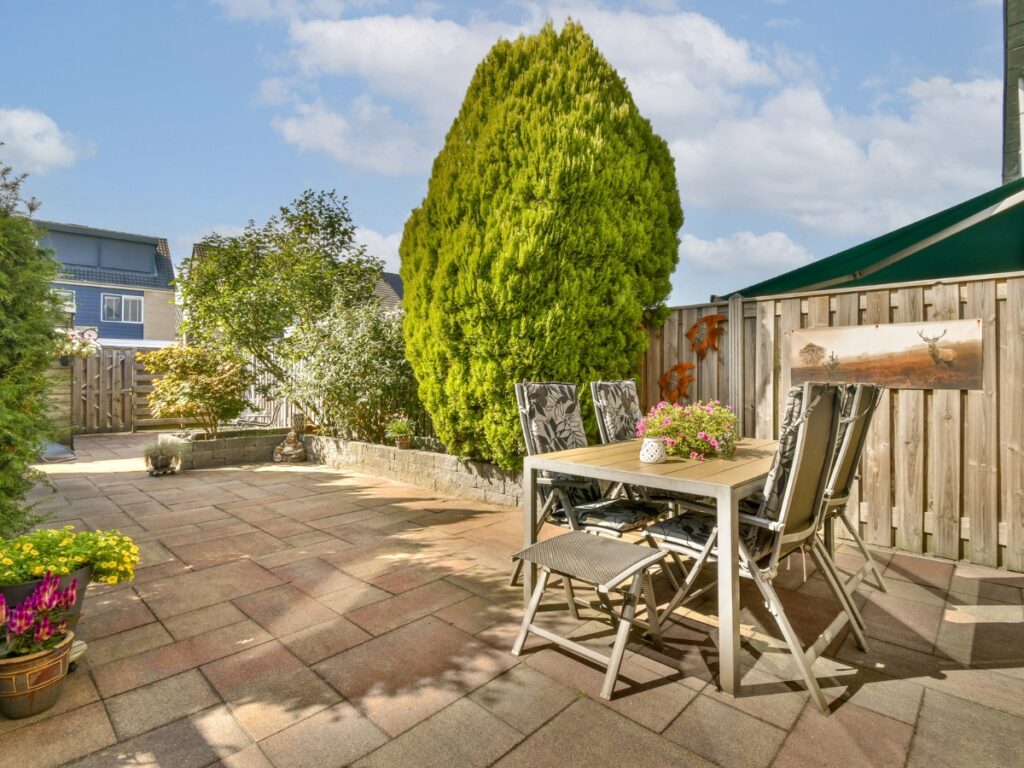
In Atlanta’s competitive housing market, outdoor upgrades can influence first impressions and final offers. One of the most reliable benefits of hardscaping is that it makes a yard feel finished and functional, which helps buyers picture how they would actually use the space. Instead of seeing a blank lawn that requires ongoing work, they see defined areas for relaxing, entertaining, and moving through the property. That added usability often translates into stronger curb appeal, fewer objections during showings, and better perceived value.
Hardscaping can also make a property feel more “move-in ready.” Buyers tend to respond well to improvements they can enjoy immediately, especially when the upgrades reduce future projects. A well-built patio, clean walkways, and properly placed retaining walls signal that the exterior has been maintained with intention, not left as an afterthought.
What ROI Can Homeowners Expect From Hardscape Investments?
Return on investment varies based on the neighborhood, the quality of the build, and how well the design fits the home. In general, homeowners often see a meaningful return because hardscaping improves both appearance and function. In Atlanta, that matters because many buyers actively look for outdoor living space they can use for most of the year. A patio that extends the living area outdoors, or a walkway system that makes the yard feel connected, can be a practical upgrade rather than a purely cosmetic one.
That said, ROI is usually strongest when the hardscape looks like it belongs. Oversized features, mismatched styles, or low-quality materials can work against you. The best benefits of hardscaping come from thoughtful planning, solid construction, and materials that fit the home’s architecture and the way the yard drains and slopes. When those basics are done well, hardscaping can reduce maintenance headaches and prevent common issues like erosion, muddy pathways, and water pooling near foundations.
Which Hardscape Features Boost Curb Appeal And Resale Value?
Patios are one of the most popular features because they create an outdoor “room” buyers understand immediately. In Atlanta, where entertaining and outdoor dining are common, a patio can become a major selling point if it feels comfortable, level, and easy to access from the house. Even a modest patio can help define the yard and make the space feel larger.
Walkways also pull weight in resale value because they improve both looks and navigation. A clear path from the driveway to the entry, or from the back door to the patio, makes the home feel more welcoming and better organized. It also helps reduce wear on the lawn and keeps foot traffic out of soft, muddy areas during rainy stretches.
Retaining walls can be especially valuable in Atlanta because many properties have sloped yards. A retaining wall does more than add visual interest. It can help manage grade changes, reduce erosion, and create usable flat areas for planting beds, seating zones, or play space. When done correctly, it adds structure to the landscape and makes the yard feel intentionally designed.
Why Hardscaping Helps Buyers Say Yes
Beyond specific features, the bigger benefits of hardscaping are about clarity and confidence. Buyers can see where to walk, where to gather, and how the outdoor space works. That reduces uncertainty and makes the home feel more complete. In a market where small details can influence perception, hardscaping is one of the upgrades that often pays off because it improves daily livability while strengthening curb appeal at the same time.
How Can Hardscaping Create Functional Outdoor Living Spaces?
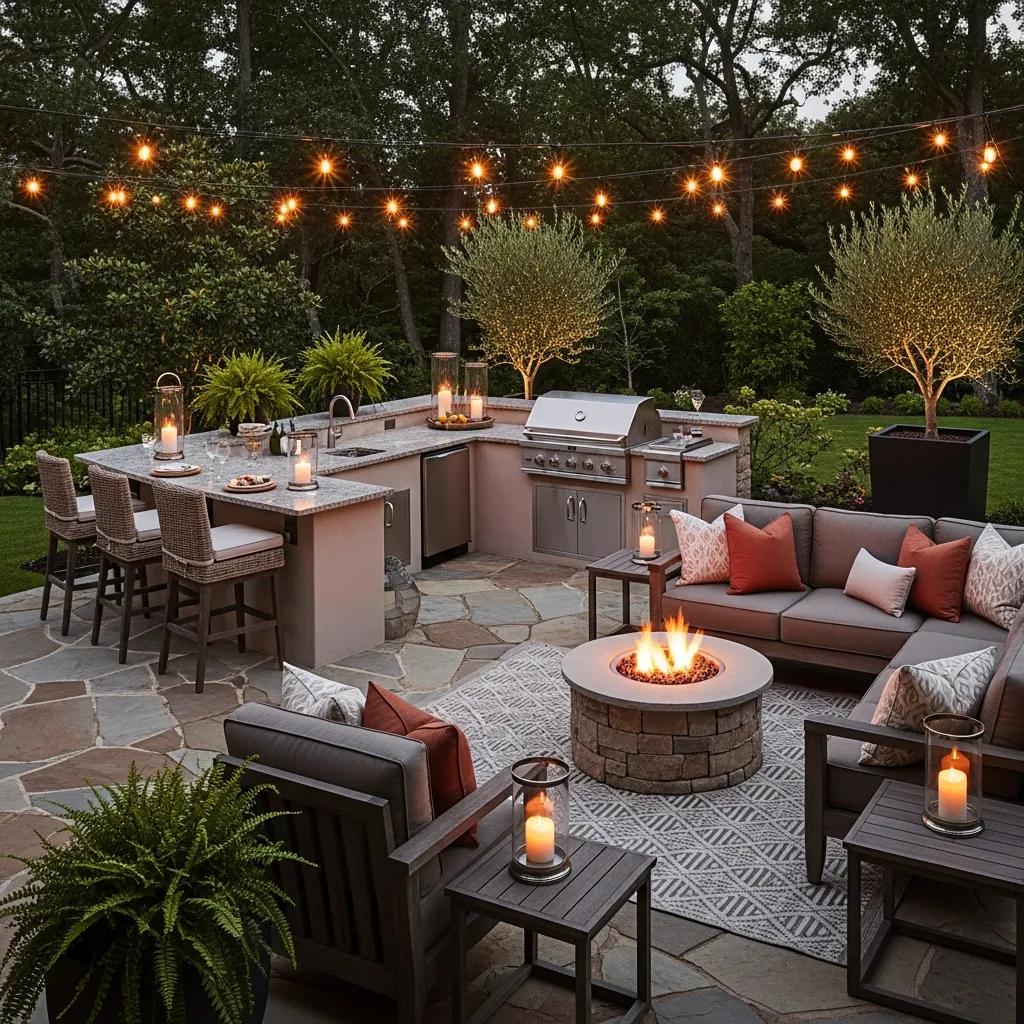
One of the biggest benefits of hardscaping is that it turns a yard into usable space. Grass and landscaping can be beautiful, but without structure, outdoor areas often feel like empty zones you look at more than you use. Hardscaping adds purpose. It creates places to sit, cook, gather, and move comfortably, which makes the outdoors feel like an extension of the home instead of a separate area that takes constant upkeep.
Functional outdoor living spaces also tend to be easier to maintain. A well-designed patio or paved seating area reduces muddy spots, worn grass paths, and the constant cycle of patching and re-leveling the yard. For many homeowners, that practical payoff is just as valuable as the visual upgrade. When you consider the long-term benefits of hardscaping, function and comfort are often what people appreciate most after the project is finished.
What Are Popular Hardscape Elements For Outdoor Entertainment?
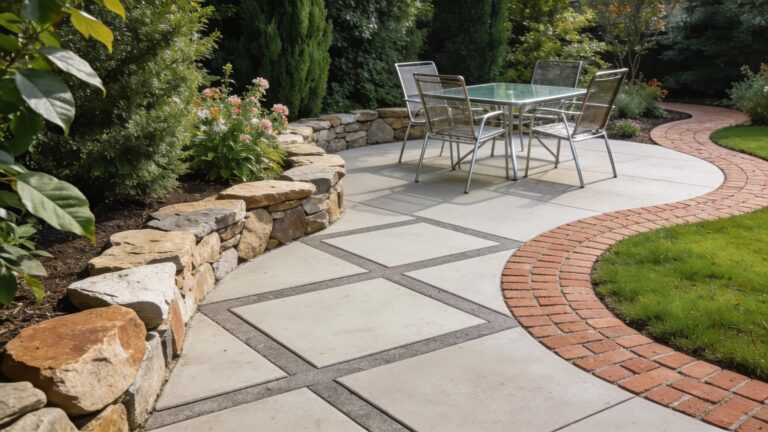
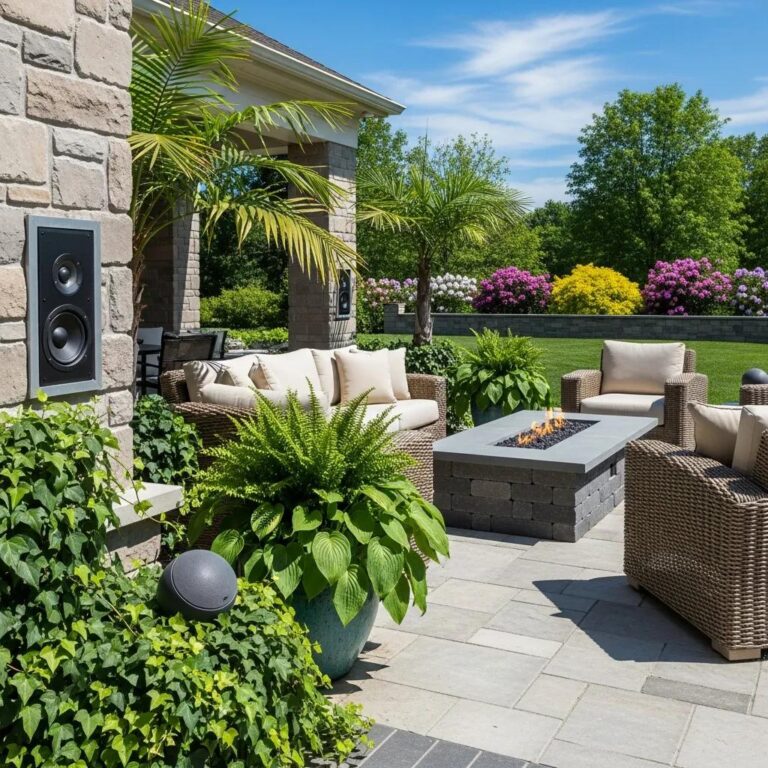
Patios are one of the most common starting points because they create a clear gathering area. They provide a stable surface for seating, tables, and grills, and they can be designed to fit the size and shape of the yard. A patio also helps define the flow of the outdoor space, especially when it is positioned near a back door or kitchen entry.
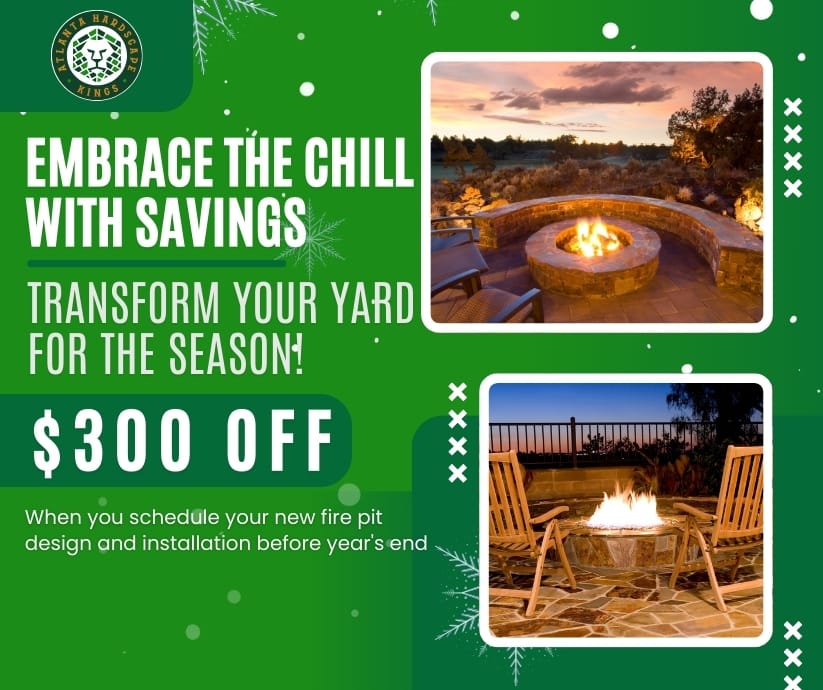
Fire pits are popular because they add a natural focal point and create a reason to use the yard in cooler months. They also make outdoor spaces feel inviting in the evening. Instead of everyone drifting indoors after sunset, a fire feature encourages people to stay outside longer. That is one of the benefits of hardscaping that homeowners notice right away. It changes how often you use the space, not just how it looks.
Outdoor kitchens can take that idea even further by keeping food prep and hosting outside. Even a simple setup, such as a built-in grill station with counter space, can make entertaining easier and reduce back-and-forth traffic inside the house. In many homes, outdoor kitchens are less about luxury and more about convenience. When the layout is smart, they allow the cook to stay part of the gathering instead of being stuck indoors.
How Do Patios, Fire Pits, And Outdoor Kitchens Extend Your Living Area?
These features work best when they are planned as outdoor “rooms.” A patio acts like the foundation. It provides a level surface and gives you a place to arrange furniture in a way that feels natural. When you add a fire pit, it often becomes the central feature that anchors the seating area. It creates warmth, draws people together, and makes the space feel finished.
Outdoor kitchens extend the living area by increasing how self-sufficient the outdoor space becomes. When you can prep food, serve drinks, and clean up without constantly going inside, outdoor gatherings feel smoother and more relaxed. That seamlessness is a major reason hardscaping can feel like square footage you did not have before.
Design details matter here. A good layout creates an easy transition from indoors to outdoors. Paths should feel intuitive, seating areas should be placed where people naturally gather, and surfaces should be chosen for comfort and durability. Shade, lighting, and drainage are also key, because they determine how usable the space is across seasons. When those basics are handled well, the benefits of hardscaping show up in daily life. You spend more time outside, host more often, and get more enjoyment out of your property without feeling like the yard is extra work.
Why Is Low Maintenance a Major Benefit of Hardscaping?
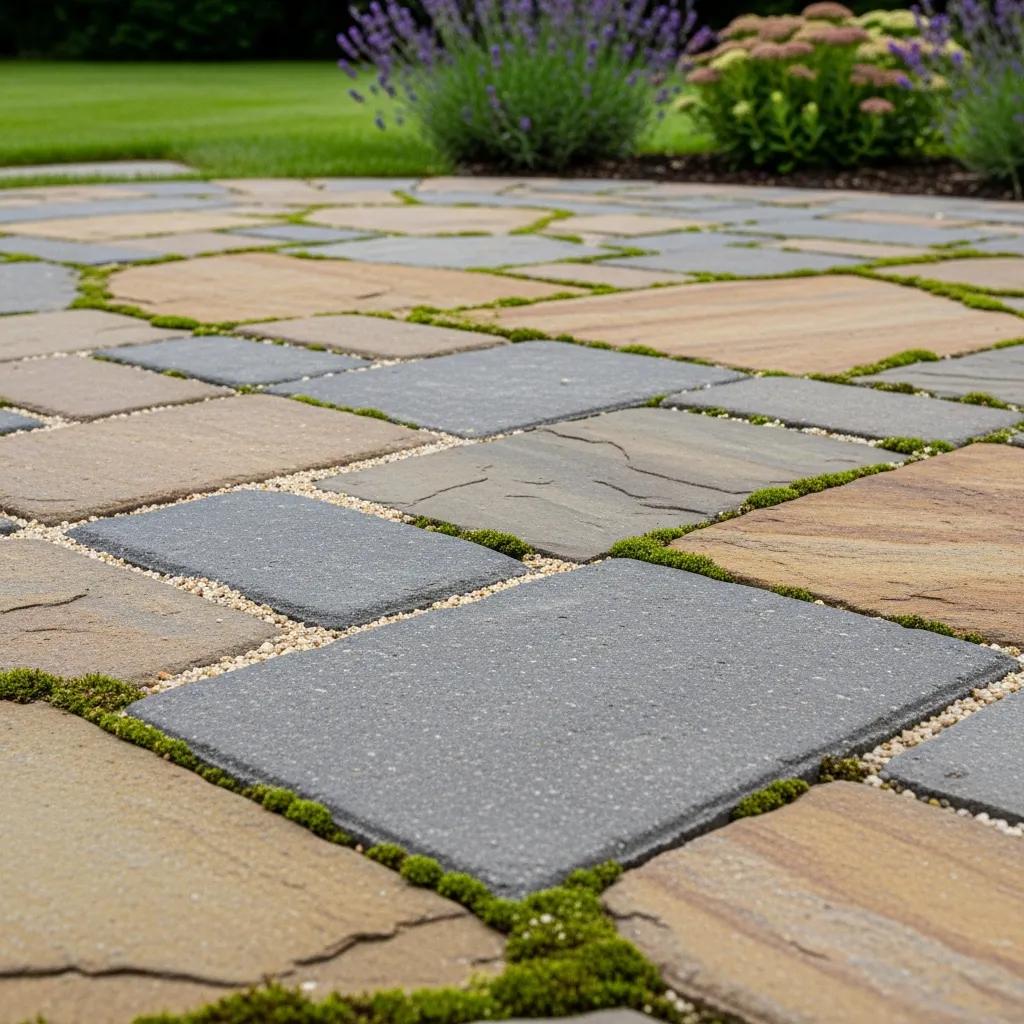
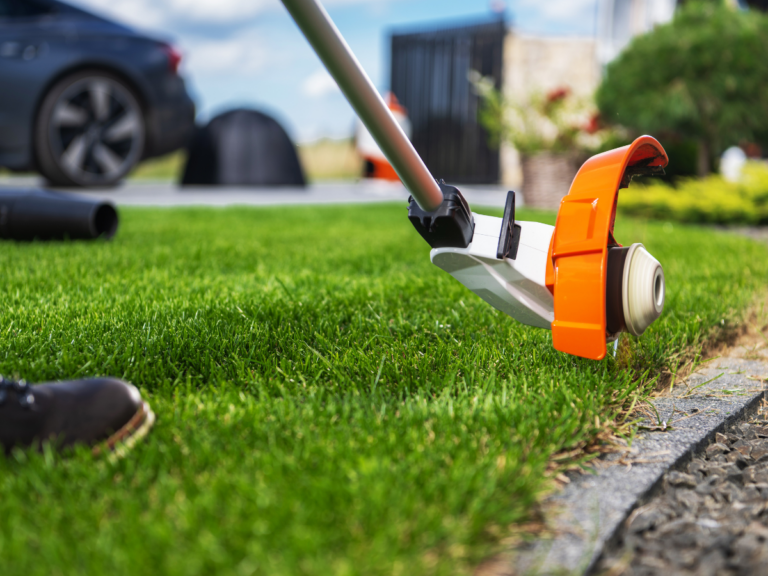
For many homeowners, the most appealing benefits of hardscaping have nothing to do with trends or aesthetics. They come down to time. A yard can look great, but if it demands constant mowing, watering, edging, and cleanup, it starts to feel like a second job. Hardscaping helps reduce that workload by replacing high-maintenance areas with durable surfaces designed to handle weather, foot traffic, and everyday use.
Low maintenance does not mean no maintenance, but it does mean fewer recurring tasks and less seasonal stress. Instead of scheduling your weekends around lawn care, you can spend that time actually using the space.
How Does Hardscaping Compare To Traditional Landscaping In Upkeep?
Traditional landscaping requires consistent attention. Lawns need regular mowing and edging during the growing season, and they often require watering during hotter months. Shrubs and plant beds need pruning, weeding, mulching, and pest control. Even when you love having greenery, the upkeep adds up quickly, especially in larger yards or in areas where sun exposure and drainage create recurring problem spots.
Hardscaping reduces many of those demands. Patios, walkways, and seating areas do not require weekly mowing. They do not need irrigation. They also help control mud and erosion, which can be a constant issue in yards with slopes or heavy rain. When you look at the long-term benefits of hardscaping, this is where the value becomes clear. You are not only improving how the yard looks, you are also making it easier to live with.
Hardscaping can also make routine yard maintenance more efficient. Defined edges and paths reduce the areas where grass creeps into beds or where weeds take over. A clear layout gives you fewer areas to manage and makes the outdoor space feel more organized.
Which Durable Materials Ensure Long-Lasting Hardscape Solutions?
Choosing the right materials is a major part of keeping maintenance low. Pavers are popular because they are durable, easy to replace if one gets damaged, and available in many styles. If settling occurs over time, individual pavers can often be lifted and reset without redoing the entire surface, which keeps long-term repairs more manageable.
Natural stone is another strong option. It holds up well to weather and gives a classic look that does not feel dated quickly. Stone can be more expensive upfront, but it often performs well over the long haul when it is installed on a solid base with proper drainage.
Concrete is widely used because it is cost-effective and flexible in design. When poured and finished properly, it creates a strong surface that can handle high traffic and outdoor exposure. It can also be textured or stained to fit different styles. Like any material, concrete benefits from thoughtful installation and occasional sealing, but it remains one of the more durable choices for patios and walkways.
One of the overlooked benefits of hardscaping is that durability supports consistency. A properly built surface keeps its shape and function longer than many landscape features that shift, overgrow, or require seasonal replacement. With the right materials and a design that supports drainage, hardscaping can reduce ongoing work, lower long-term costs, and keep outdoor spaces usable without constant upkeep.
How Does Hardscaping Improve Drainage And Prevent Erosion?
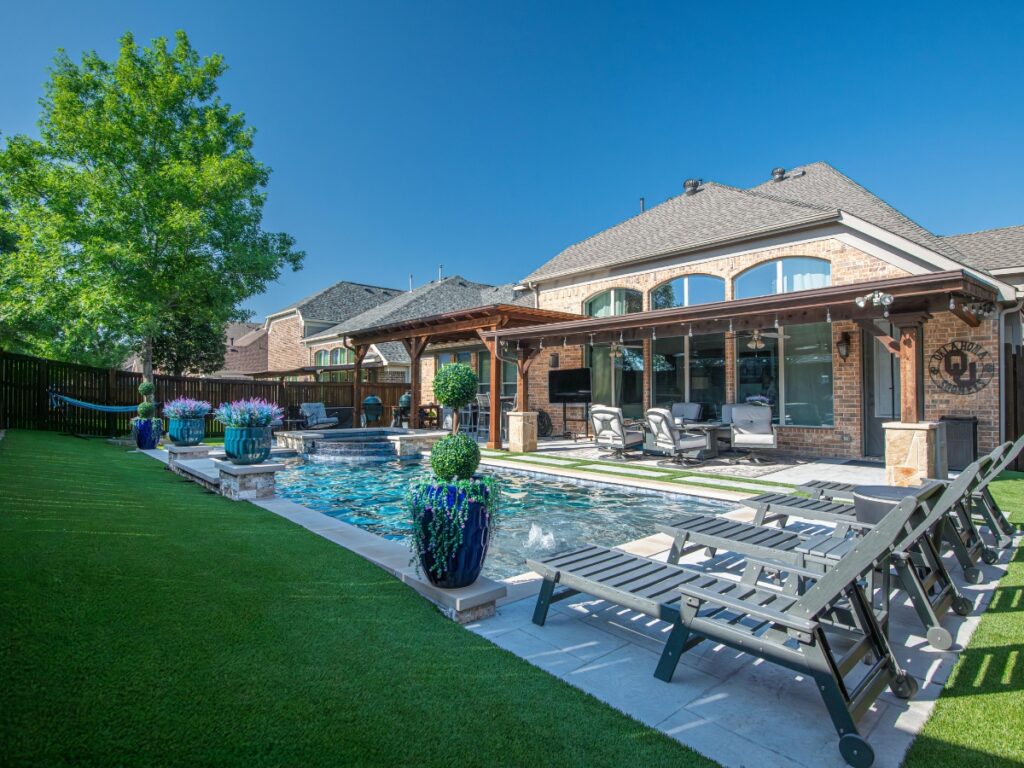
One of the most practical benefits of hardscaping is what it does behind the scenes. A yard can look fine on a dry day and still cause problems when heavy rain hits. Water that pools near the house, runs down a slope too fast, or washes out planting beds can lead to muddy areas, dead grass, and long-term damage that gets expensive quickly. Thoughtful hardscape design helps control where water goes, how fast it moves, and how it soaks into the ground. That control is what reduces erosion and helps protect the home itself.
In areas with sloped lots or inconsistent soil, drainage issues can feel like a constant battle. Hardscaping gives you tools to shape the landscape so water behaves more predictably. It can also make outdoor areas more usable, since proper drainage reduces standing water and soggy patches after storms.
What Role Do Retaining Walls And Permeable Pavers Play In Water Management?
Retaining walls are often used to stabilize slopes and hold soil in place. Without support, a slope can gradually shift, especially when rainfall loosens the soil and sends it downhill. That leads to erosion, uneven ground, and planting beds that never seem to stay put. A well-built retaining wall helps manage grade changes by creating a stable structure that supports the soil and reduces washouts. In many yards, it also creates new, usable flat areas where patios, walkways, or garden beds can sit without constantly eroding.
Permeable pavers help in a different way. Instead of forcing rainwater to run off like a solid slab might, permeable systems allow water to filter down through joints and into a base layer below. This reduces surface runoff and can help prevent water from rushing toward driveways, sidewalks, or low points near the house. One of the often overlooked benefits of hardscaping is that the right material choice can reduce drainage problems without relying solely on buried drains and pipes.
When retaining walls and permeable pavers are used together, they can work as a system. The wall controls the soil and the slope, while the pavers manage how water moves across the surface. That combination helps reduce erosion, protects landscaping, and lowers the chance of water collecting in unwanted areas.
How Can Hardscape Design Protect Your Home’s Foundation?
Water around a foundation is rarely harmless. Over time, poor drainage can contribute to basement moisture, crawl space issues, soil shifting, and cracks in concrete. Hardscape design helps prevent those problems by directing water away from the house instead of letting it sit near the structure. Sloped patios, properly graded walkways, and downspout extensions can all support this goal by guiding runoff toward safer drainage paths.
The details matter. If a patio is built too flat or slopes toward the house, it can funnel water straight to the foundation. If a walkway traps water against the base of the home, it can cause moisture issues that show up later as mildew or damage. A good hardscape plan accounts for grading, soil type, and where water naturally wants to travel during a storm.
When the design is done correctly, the benefits of hardscaping go beyond appearance. You get cleaner outdoor surfaces, fewer muddy areas, less erosion over time, and better protection for the home’s structure. It is one of the upgrades that improves both daily comfort and long-term stability, especially in yards where drainage has been a recurring problem.
How Does Hardscaping Enhance Your Home’s Aesthetic Appeal and Curb Appeal?
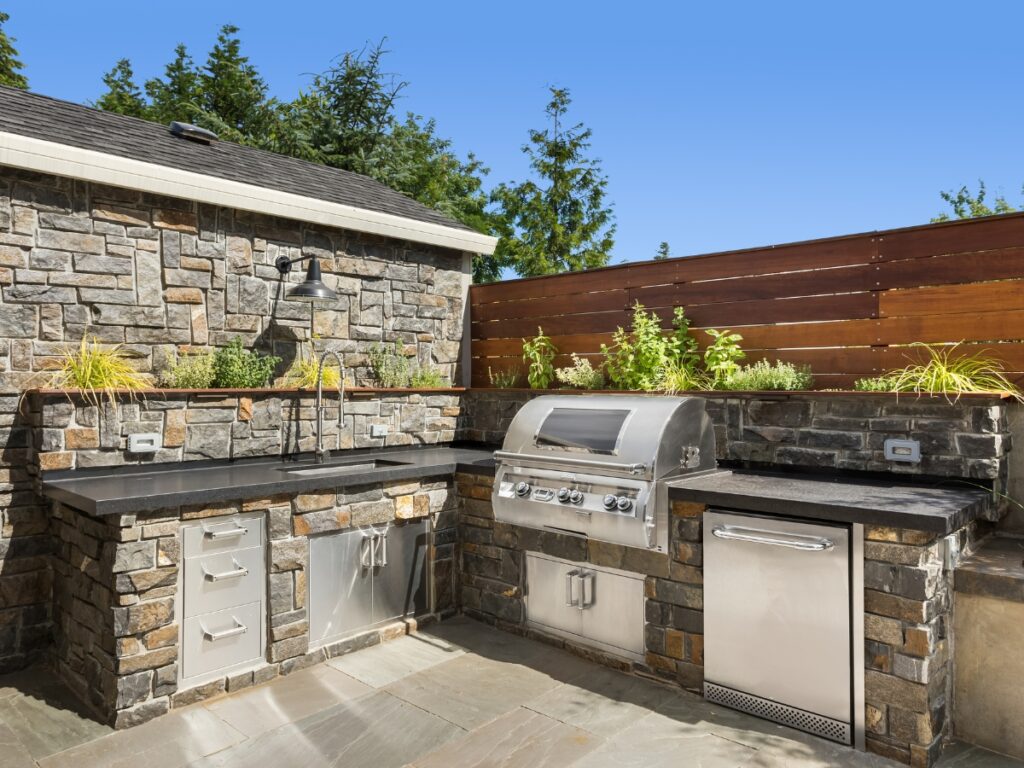
A well-designed yard is not only about plants and grass. Structure matters too. One of the most noticeable benefits of hardscaping is that it gives your landscape clean lines, defined spaces, and a sense of intention. Instead of a yard that feels unfinished or random, hardscaping creates shape and flow. Walkways guide the eye and the foot traffic, patios define outdoor living areas, and features like steps or retaining walls add dimension that makes the whole property look more polished.
Curb appeal is often about first impressions. Hardscape elements can make the front of a home feel welcoming and well cared for, especially when the layout is practical. A clear path to the front door, a small seating area, or stone borders that frame landscaping beds can make a home feel more put together without looking overdone. In many cases, the benefits of hardscaping are as much about visual order as they are about adding new features.
What Custom Design Options Are Available For Atlanta Homes?
Atlanta homes come in a wide range of styles, from traditional brick to modern builds, and hardscaping can be tailored to match. Customization often starts with layout. Patio shapes can be designed to fit the natural footprint of the yard, the way the home opens to the outdoors, and how the space will actually be used. Some homeowners prefer a simple, rectangular patio for dining. Others want curved edges, built-in seating, or multiple levels to separate a cooking area from a lounging space.
Material choice also plays a big role in how custom the finished look feels. Pavers, natural stone, and concrete can all be selected and finished to match different aesthetics. Color and texture can tie into exterior finishes like brick, siding, or trim so the hardscape feels connected to the house instead of looking like an add-on. Fire pits, sitting walls, and steps can be designed in the same style to keep everything cohesive.
Lighting is another option that can make a big difference without cluttering the design. Subtle pathway lighting or step lighting improves safety and adds a finished look at night. When done well, it supports curb appeal and makes outdoor areas feel usable after dark, which is one more reason the benefits of hardscaping extend beyond daytime appearance.
How Does Hardscaping Complement Softscaping For Visual Harmony?
Hardscaping and softscaping work best when they support each other. Plants add color, movement, and seasonal interest, but hardscaping provides the structure that keeps those elements from feeling scattered. A patio or walkway can frame planting beds and create natural boundaries that make landscaping look more intentional. Retaining walls can define tiered beds on slopes and create space for layered plantings that would otherwise wash out over time.
Hardscaping also gives the eye a place to rest. Too many plants without structure can feel busy, while too much stone without greenery can feel harsh. The balance between the two creates visual harmony. A simple example is a clean paver path bordered by low plantings, or a stone patio softened by shrubs and container plants around the edges. That contrast is what makes an outdoor space feel designed rather than accidental.
When hardscaping and softscaping are planned together, the result is a yard that looks more complete, functions better, and feels easier to maintain. That combination is a major part of the benefits of hardscaping, especially for homeowners who want outdoor spaces that look good in every season, not just during peak growing months.
What Are The Unique Advantages Of Hiring Atlanta Hardscape Kings For Your Project?
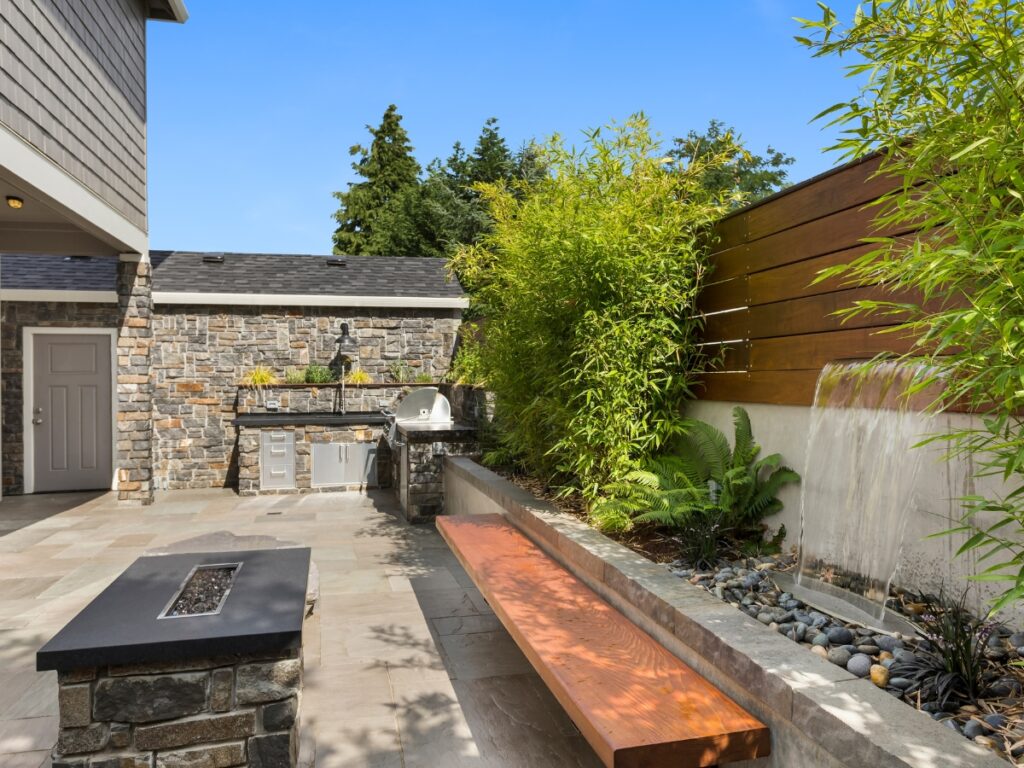
The benefits of hardscaping depend on more than the materials you choose. They depend on how well the project is designed and built. Patios, retaining walls, walkways, and outdoor living features all need a solid base, proper grading, and careful finishing. When those details are done right, the space looks better, functions better, and holds up longer. That is why choosing the right contractor matters as much as choosing the right features.
Hiring Atlanta Hardscape Kings can be an advantage for homeowners who want a finished product that feels intentional and performs well over time. A hardscape project is not something you want to redo because of shifting pavers, drainage problems, or uneven surfaces. A team that focuses on planning, craftsmanship, and clear expectations helps protect your budget and the final outcome.
How Does Masterful Craftsmanship Ensure Exceptional Results?
Good hardscaping starts below the surface. The base preparation, compaction, and grading are what prevent most of the problems homeowners see later, such as sinking, pooling water, or separating joints. Strong craftsmanship also shows in the visible details. Edges are clean, lines are straight or smoothly curved, and transitions between surfaces feel natural instead of awkward. When the work is built correctly, it does not only look better on day one. It stays stable through seasons of rain, heat, and foot traffic.
Material selection also plays a role in performance. Top-quality pavers, stone, and concrete products tend to hold color better, resist cracking, and handle daily wear more effectively. Skilled installers know how to match materials to the job and to the property. They also know how to build in the small things that protect the project, like proper slope away from the home, strong edging, and joint support that reduces shifting over time.
These construction details tie directly back to the benefits of hardscaping. A patio should feel like an extension of the home, not a surface you worry about every time it rains. A retaining wall should look clean, but it should also do its job without leaning or washing out. Craftsmanship is what makes hardscaping a long-term upgrade instead of a short-term cosmetic change.
What Personalized Services And Warranties Does Atlanta Hardscape Kings Offer?
A hardscape project goes smoother when the plan is tailored to how the homeowner actually lives. Personalized service can mean designing the layout around how you enter the yard, where you want seating, where shade falls, and how water flows during storms. It can also mean helping homeowners choose materials that fit the home’s style without pushing unnecessary upgrades.
Communication also matters. Homeowners are often balancing budget, timeline, and design goals, and the process is easier when expectations are clear from the start. A team that walks you through scope, prep work, and finishing details can prevent missteps that lead to extra costs later.
Warranties are another practical benefit, not as a marketing point, but as a sign that the contractor stands behind the work. Hardscaping involves structural elements, and homeowners should feel confident that the company will address issues tied to installation quality. That reassurance adds value because it supports the long-term benefits of hardscaping, including durability, low maintenance, and better everyday use of the outdoor space.
When a project is planned well, built correctly, and supported after installation, homeowners get more than a nicer yard. They get an outdoor space that feels functional, stable, and worth the investment.
Conclusion
Investing in professional hardscaping transforms your outdoor space into a durable, beautiful, and functional extension of your home. From increasing property value and reducing maintenance to creating the perfect setting for entertainment and relaxation, the benefits extend far beyond simple aesthetics. To bring these advantages to your Atlanta home with expert hardscape design and craftsmanship, contact Atlanta Hardscape Kings. Ready to unlock your yard’s full potential? Call (470) 606-7895 or visit our website to request your free estimate today. Let’s build an outdoor oasis you’ll enjoy for years to come.