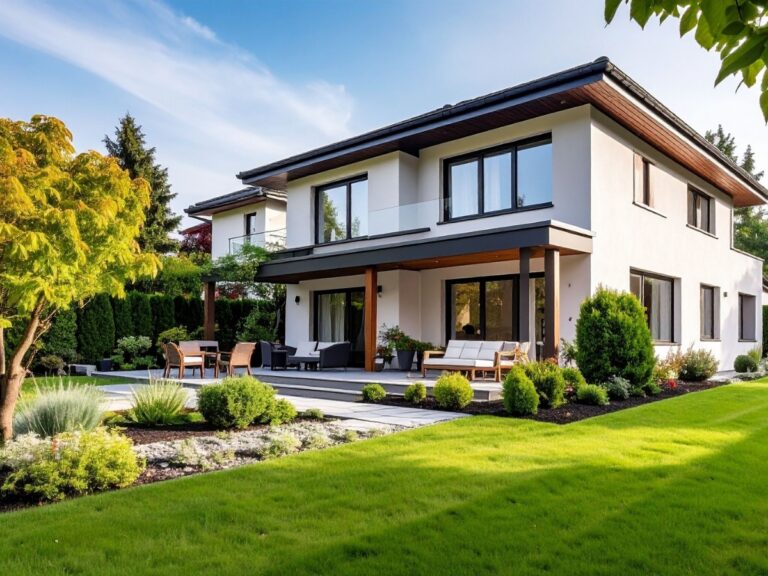
The hardscape installationprocess is a crucial aspect of creating functional and aesthetically pleasing outdoor spaces. This guide will walk you through the essential steps involved in hardscape installation, focusing on patios, retaining walls, and outdoor living areas.
Understanding this process is vital for homeowners looking to enhance their properties with durable and beautiful hardscapes. Many individuals face challenges in selecting the right materials and understanding the installation phases, which can lead to frustration and delays.
Our comprehensive approach ensures that clients receive quality craftsmanship and a transparent project timeline. In this article, we will cover the key steps in our installationprocess, the materials used, and how to maintain your hardscape for longevity.
The Hardscape Installation Process Behind a Lasting Outdoor Space
What Are The Key Steps In The Hardscape Installation Process?
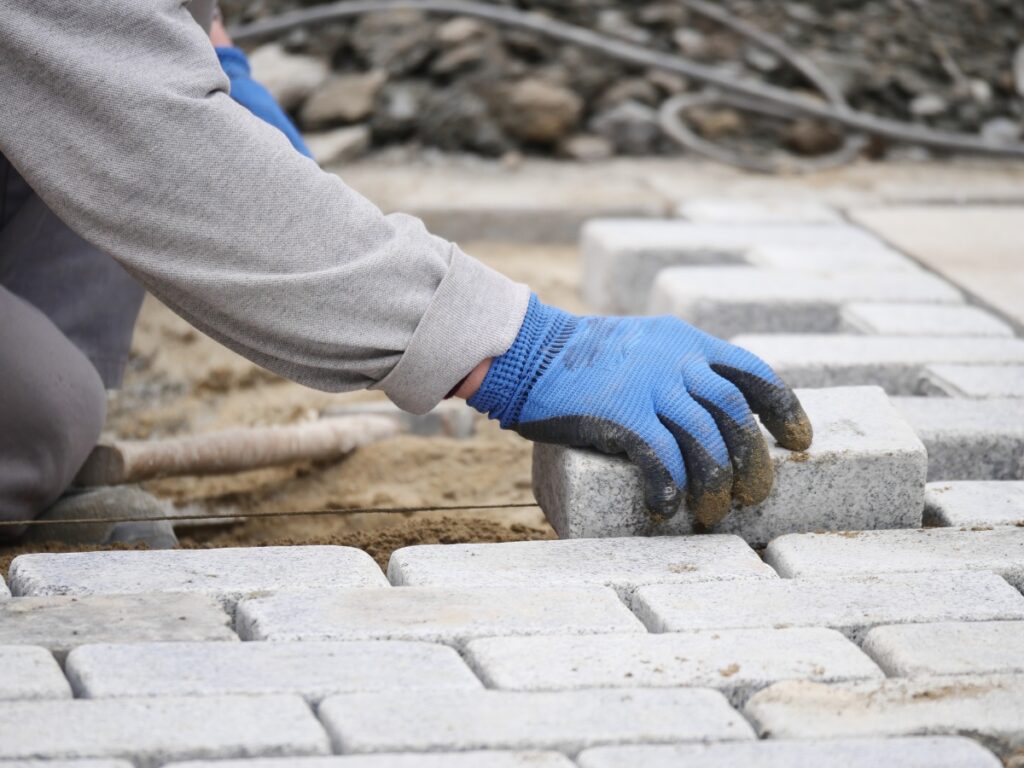
A successful outdoor project is not just about picking attractive materials. It depends on following a reliable installation process that supports long-term durability, proper drainage, and a finished look that feels intentional. In Atlanta, this matters even more because heavy rain, clay-heavy soil, and seasonal temperature changes can expose weak foundations quickly. When people ask why one patio stays level for years while another shifts and sinks, the answer usually comes back to the planning and build steps that happened before the surface was ever installed.
Most hardscape projects follow a similar flow: prepare the site, build a stable base, install materials with precision, and finish with the details that lock everything in. Each phase builds on the one before it. If the early work is rushed, the surface can settle, edges can spread, and water can start pooling where it should not.
How Is Site Preparation Conducted For Atlanta Hardscape Projects?
Site prep is the part of the installation process that sets the tone for everything that follows. It typically starts with clearing the area, removing grass, roots, and debris, and marking the layout so the final shape is accurate. The next step is excavation, which means digging down to a depth that allows room for the base layers plus the finished material. The depth depends on what you are building and how it will be used, since a walkway does not carry the same load as a driveway or a high-traffic patio.
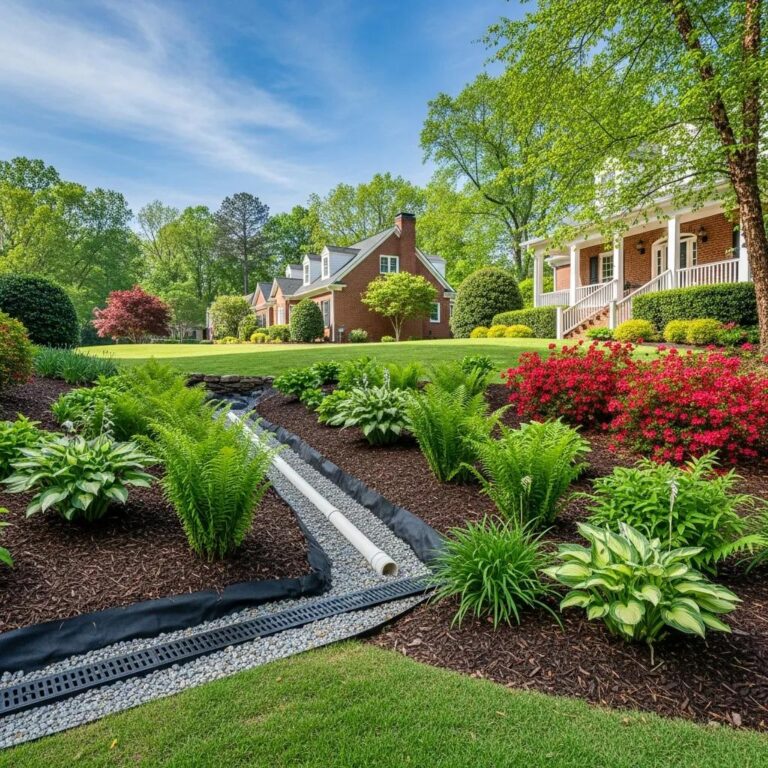
Drainage planning is also handled at this stage. In Atlanta, water management is a big deal because sudden downpours can wash out poorly prepared areas or create soggy spots that lead to shifting. A well-prepared site includes grading the ground so water moves away from structures and does not collect in low areas. This is also where local soil conditions come into play. Many areas have clay soil, which holds water and can expand and contract. Proper preparation helps reduce the risk of movement later by creating a stable, well-draining foundation rather than relying on whatever soil happens to be there.
What Materials And Tools Are Used In Each Installation Phase?
Once the area is prepared, the base materials become the main focus. A standard installation process usually includes adding a layer of crushed stone or gravel and compacting it in stages to create a firm, even base. This base is what supports the surface and helps with drainage. Sand is often used above the stone to create a smooth bedding layer for pavers, allowing them to sit evenly and lock together.
Material choice depends on the look you want and how the space will be used. Pavers are popular because they are consistent in size and easy to repair if one area is damaged. Natural stone has a more organic look but may require more shaping and careful placement. Concrete is another option, often chosen for clean lines and strength, although it is less forgiving if the ground shifts.
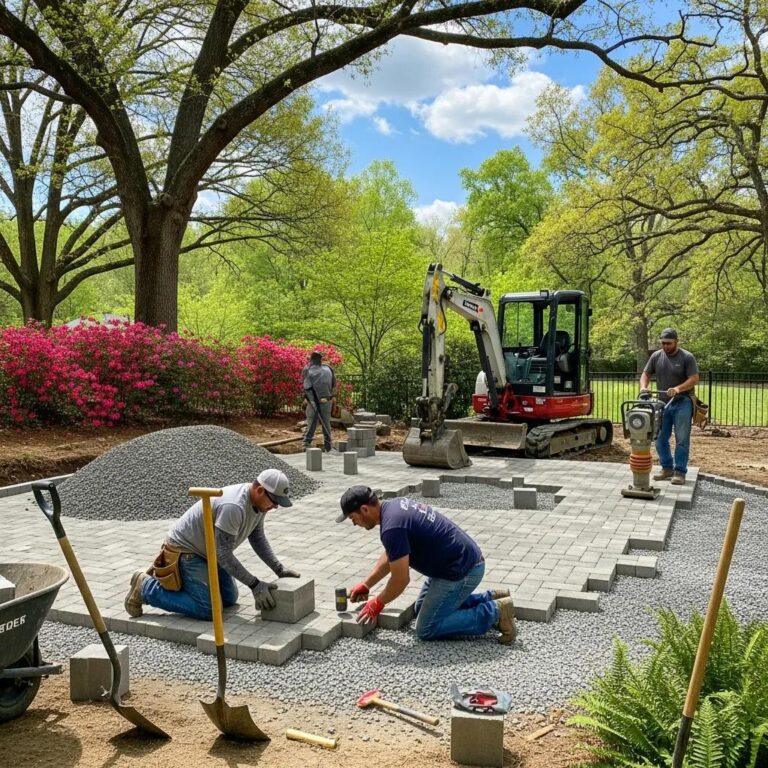
The tools used are mostly about precision and compaction. Excavators or trenching equipment handle digging, compactors tighten the base layers, and levels and string lines help keep surfaces even and properly sloped. Cutting tools may be used to shape pavers or stone for edges and curves. Safety gear like gloves and eye protection is a practical part of the job, especially when cutting stone or working around equipment.
When the steps are done in order, and the foundation is built correctly, the installation process produces a hardscape that looks good on day one and stays that way through Atlanta’s weather for years to come.
How Do We Install Patios and Pavers in Metro Atlanta?
A patio or paver project looks simple once it is finished, but the results depend on a consistent installation process from the ground up. In Metro Atlanta, the biggest challenges usually come from water and soil. Heavy rain can wash out poorly built bases, and clay-heavy ground can hold moisture that leads to shifting over time. That is why a patio that stays level and drains well is usually the one built with the right foundation and careful grading, not just good-looking pavers on top.
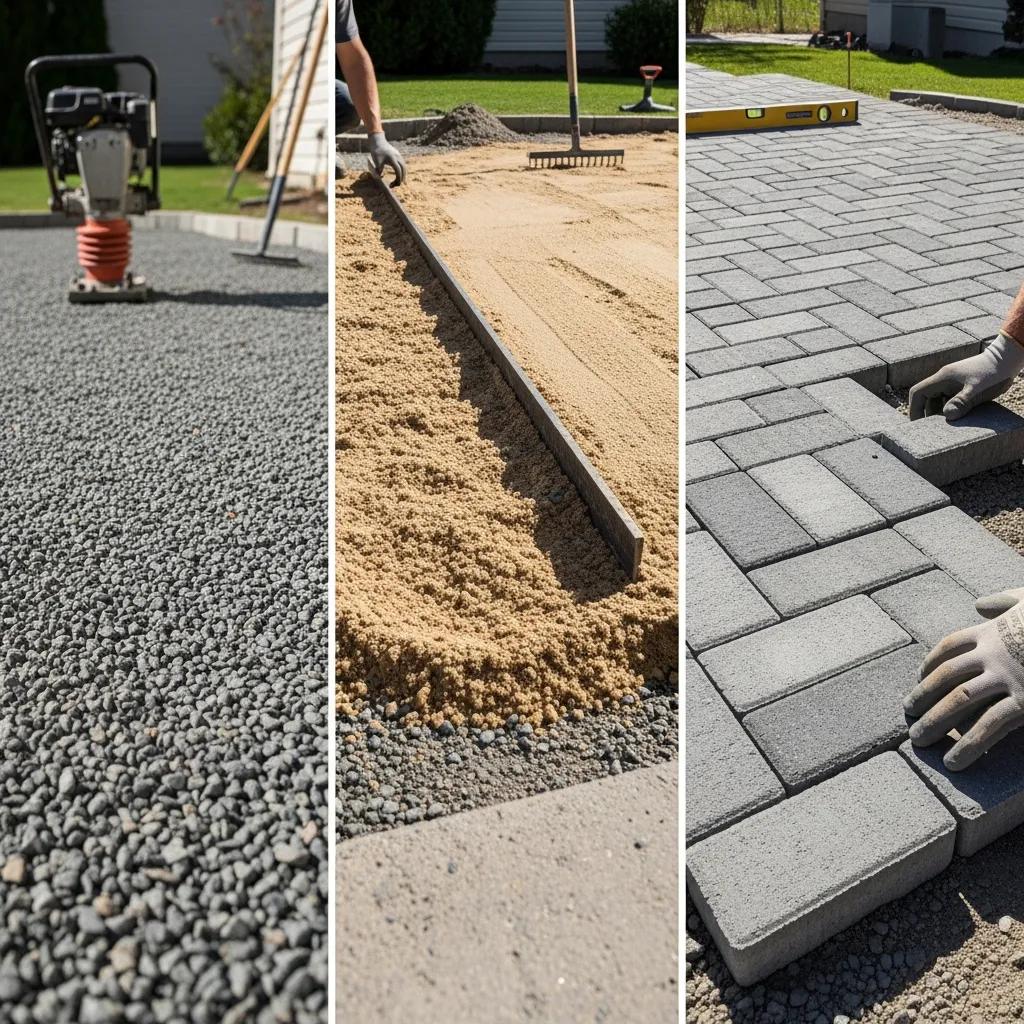
A dependable installation process follows the same basic structure no matter the pattern or material. You start by defining the layout and excavating the area to the proper depth. Then you build a compacted base that supports the surface and helps water move where it should. Once the base is stable, the pavers can be placed with consistent spacing and alignment. The final steps lock everything together so the surface holds up to foot traffic, weather changes, and day-to-day use.
What Are The Patio Installation Steps From Base To Finish?
The first phase is excavation. The area is dug out to allow space for the base layers and the pavers themselves. Depth matters because the base is not just filler. It is the structural support for the entire patio. After excavation, the ground is graded so the patio will slope slightly and drain away from the home. Proper drainage is one of the most overlooked parts of the installation process, but it is often the difference between a patio that lasts and one that develops low spots.
Next comes the base layer, typically crushed stone or gravel. This material is added in stages and compacted thoroughly. Compaction is important because loose base material settles later, and that settling can lead to uneven pavers. After the stone base is built and compacted, a bedding layer is added, often sand, and leveled to create a smooth surface for placement.
Pavers are then installed in the chosen layout. The pattern affects appearance, but placement affects performance. Keeping lines straight, maintaining even spacing, and checking level as you go all help prevent shifting and uneven edges. Cuts are usually needed along borders, curves, or transitions, and those cuts should fit tightly so the final surface looks clean rather than patched together.
Once the pavers are placed, joint sand is swept into the gaps. This step helps lock the pavers in place and limits movement. The patio is compacted again to settle everything together, then additional joint sand is added as needed. Edging, whether it is a rigid border or another restraint method, is what keeps the outside row from spreading over time. Without that restraint, pavers can drift outward, especially in areas with frequent rain.
Why Choose Permeable Pavers For Atlanta’s Climate?
Permeable pavers are designed to let water move through the surface instead of racing across it. That can be a practical advantage in Atlanta, where intense rain can overwhelm yards and create runoff issues. Rather than pushing water toward the street or pooling in low spots, a permeable system allows water to drain down into a prepared base that holds and filters it.
This approach can reduce puddling, limit erosion around the patio, and help manage stormwater in a way that feels more natural. It can also support healthier soil moisture levels in surrounding landscaping because water is not being diverted as aggressively. In neighborhoods with drainage concerns or sloped lots, permeable pavers can be a smart upgrade because they combine a finished look with more thoughtful water control.
When the installation process is done correctly, both standard and permeable pavers can create a durable patio that fits Atlanta’s weather. The key is building the base carefully, planning for drainage, and finishing the surface in a way that prevents movement over time.
What Is the Retaining Wall ConstructionProcess?
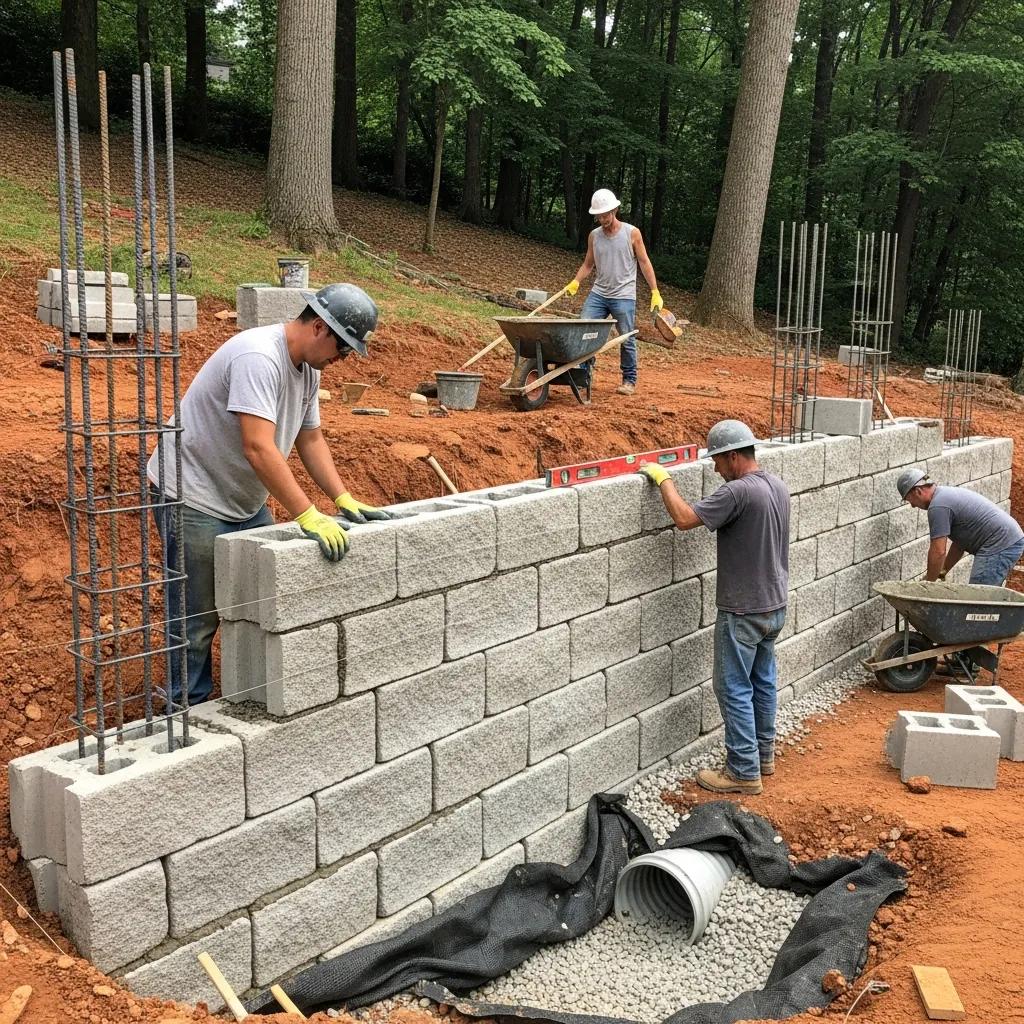
A retaining wall is more than a decorative feature. It is a structural element designed to hold back soil, control erosion, and create usable, level space on a sloped yard. Because the wall is resisting pressure from the ground behind it, the installation process needs to be planned carefully. When retaining walls fail, it is rarely because the surface looked bad. It usually comes down to what is happening behind the wall, such as poor drainage, a weak base, or the wrong materials for the site conditions.
Most retaining wall projects follow the same basic installation process: evaluate the site, plan the wall design, excavate and build a stable foundation, then construct the wall while managing drainage and backfill. Each step supports stability, especially in areas where rainfall and soil movement can add extra stress.
How Do We Design And Build Durable Retaining Walls?
A durable wall starts with understanding what the wall is being asked to do. The height of the wall, the slope of the yard, soil type, and how water moves through the property all influence the design. A wall that only supports a small grade change can often be built with simpler materials and lighter reinforcement. Taller walls or walls holding back a large slope require more engineering, stronger materials, and additional support features.
Material selection is part of matching the wall to the site. Concrete block systems are popular because they are designed to interlock and can be built with consistent alignment. Natural stone offers a more organic look and can be very durable when installed correctly, but it often takes more time and careful placement. Timber can be used in certain settings, although it is generally more sensitive to moisture over the long term, so drainage and proper installation matter even more.
Excavation is where the installation process becomes physical. The ground is dug out to create room for the base and the first course of the wall. A solid foundation is usually built with compacted gravel or crushed stone, creating a level, stable base that resists settling. The first row is set carefully because any unevenness here can compound as the wall rises.
Drainage is one of the most important parts of building a retaining wall. Water that builds up behind a wall increases pressure and is a common cause of leaning, cracking, or failure. A properly built wall includes a drainage layer behind it, often gravel, along with drainage pipe or weep openings to help water escape. Backfill is placed and compacted in layers so the wall is supported evenly rather than being pushed by loose soil.
What Project Timelines Should Clients Expect For Retaining Walls?
Timelines vary depending on the wall height, the layout, and how much site preparation is needed. A straightforward wall, built in an accessible area with minimal grading, can often be completed within a few days. More complex designs may take closer to a week, especially if the project includes steps, curves, terracing, or a longer wall run.
Weather can also affect the schedule. Heavy rain can slow excavation and make it difficult to compact base materials properly. Material availability and delivery timing can influence the pace as well, particularly for special-order stone or specific block styles. Another factor is what needs to happen before construction starts. If the site requires significant grading, removal of old structures, or drainage corrections, the overall project timeline will expand.
In the end, a retaining wall is only as dependable as the installation process behind it. When the base is stable, drainage is handled correctly, and materials match the site, the finished wall should stay straight, strong, and functional for years.
How Is The Overall Project Timeline And Scheduling Managed?
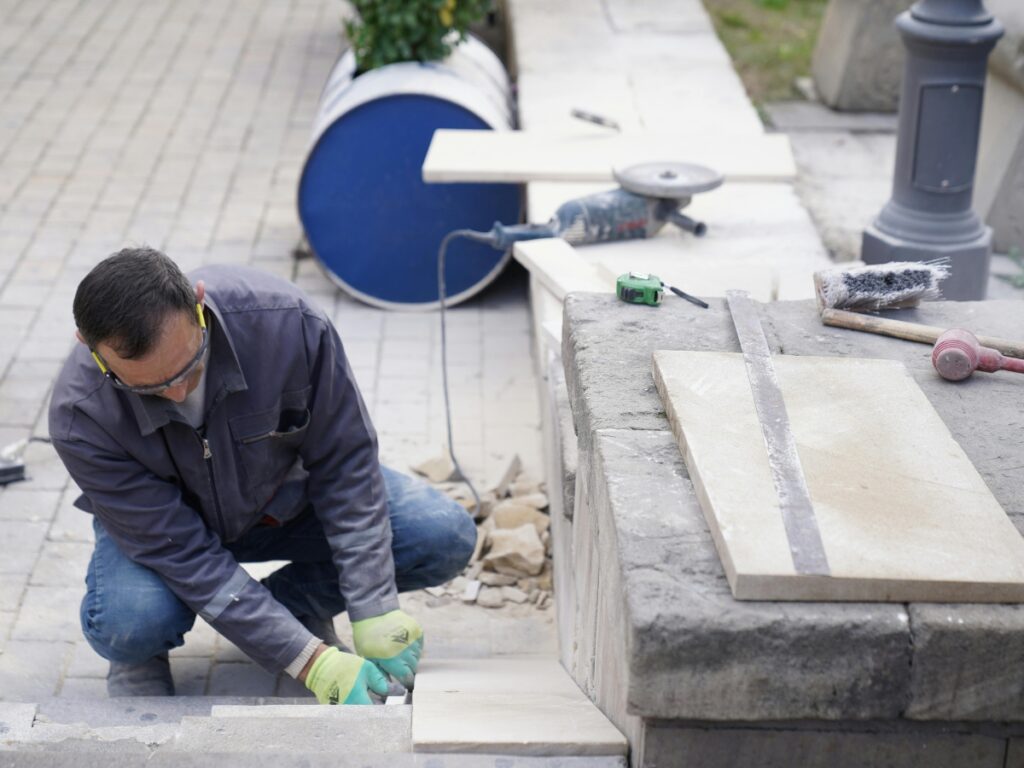
A smooth hardscape project usually comes down to planning. Even when the design is simple, the installation process includes several steps that have to happen in the right order, and a delay early on can ripple through the rest of the schedule. In Atlanta, weather is often the wildcard. A week that starts dry can end with heavy rain, and wet conditions can slow excavation, grading, and compaction. That is why timeline management is less about rushing to hit a date and more about building a plan that stays realistic when conditions change.
Good scheduling starts with a clear scope and a shared understanding of what “done” means. A patio may sound straightforward, but details like layout changes, site access, drainage improvements, or adding steps can extend the timeline. Retaining walls can vary even more depending on height, soil conditions, and how much grading is needed. When the sequence is mapped out early, it becomes easier to keep the installation process moving and avoid last-minute surprises.
What Is The Typical Duration For Hardscape Installation Projects In Atlanta?
Project duration depends on the size of the space, the complexity of the design, and how much site preparation is required. Many patios and paver areas can be completed in about one to three weeks from start to finish, including excavation, base work, installation, and finishing details. Smaller projects may move faster, especially when the area is easy to access and the ground conditions are stable. Larger projects or designs that include multiple features, like a patio plus a retaining wall, typically take longer because each element has its own foundation and finishing needs.
Site conditions often have the biggest impact. If the yard needs significant grading, drainage correction, or removal of existing materials, the early phases can add time. The same is true if the soil is holding water or if the site is on a slope that requires extra reinforcement. Weather can also stretch the schedule, since base layers and concrete-related work are harder to complete properly in saturated ground. A realistic timeline accounts for these factors so the final result is not compromised just to stay on a tight calendar.
How Do We Coordinate Scheduling To Minimize Disruptions?
Minimizing disruption starts with agreeing on a predictable daily rhythm. Homeowners usually want to know when crews will arrive, where materials will be staged, and which areas of the yard will be off-limits during the installation process. Setting expectations early helps prevent the common friction points, like blocked driveways, limited access to gates, or noise during work-from-home hours.
Another key step is making sure materials are ready before work begins. Delays often happen when the schedule moves forward but pavers, wall blocks, or base materials are not delivered on time. When deliveries are coordinated and staging is planned, crews can focus on progress rather than waiting. It also helps to keep changes organized. If design adjustments happen midstream, they can affect layout, cuts, drainage slopes, and the amount of material needed. Handling those decisions quickly and clearly keeps the schedule from drifting.
In the end, strong planning keeps the installation process efficient without cutting corners. When the timeline is built around site realities, weather, and material coordination, hardscape work tends to move forward with fewer interruptions and a better finished result.
Which Hardscape Materials Are Best for Atlanta Outdoor Living Spaces?
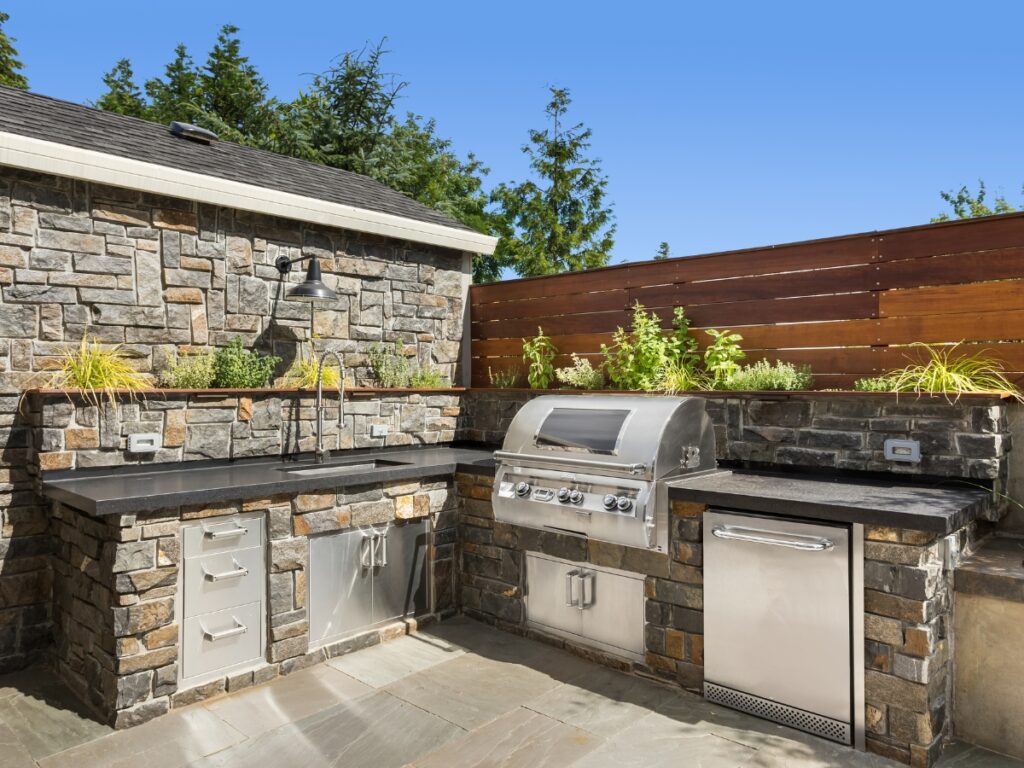
Choosing materials for an outdoor living space is not only about color and style. In Metro Atlanta, the right option is the one that holds up to humidity, heavy rain, and soil that can shift as moisture levels change. A smart choice also supports a smoother installation process, since some materials are more forgiving in the way they settle and drain than others. When materials match the site conditions, patios stay level longer, joints stay tighter, and maintenance stays manageable.
Many homeowners start by thinking about how the space will be used. A quiet seating area has different needs than a path that sees daily foot traffic or a patio that hosts weekend cookouts. Once the function is clear, it is easier to choose between concrete pavers, natural stone, and other common hardscape surfaces.
What Are The Benefits Of Different Paver And Stone Types?
Concrete pavers are one of the most practical choices for Atlanta outdoor spaces. They are consistent in size, available in many finishes, and generally hold up well over time when the base is built correctly. That consistency can also simplify the installation process because the pattern stays true and cuts are more predictable. If a section ever needs repair, individual pavers can usually be replaced without tearing out the entire surface.
Natural stone offers a more varied, organic look. Every piece is slightly different, which is part of the appeal, but it also means the installation process often takes more time. Stone patios and walkways can look high-end and timeless, especially when the layout works with the shape of the stone rather than forcing everything into perfect lines. For homeowners who want a less uniform finish and do not mind a bit more detail work, stone can be a strong option.
Permeable pavers are worth considering if drainage is a concern. Atlanta storms can dump a lot of water quickly, and a surface that allows water to pass through can reduce runoff and puddling. These systems use wider joints and a special base structure that helps water drain down instead of across the patio. It is not the right fit for every yard, but it can be helpful in low spots, near downspouts, or anywhere water tends to collect after rain.
Material choice can also affect comfort. Lighter-colored pavers and certain stone types may feel cooler underfoot than darker surfaces during summer heat. Shade, nearby trees, and how much sun the area gets will also influence how comfortable the space feels throughout the year.
How Do Local Soil And Weather Influence Material Choice?
Atlanta’s clay-heavy soil is one of the biggest factors in material selection. Clay holds moisture, and it can expand and contract as conditions change. That movement is hard on hardscapes when the base is not properly prepared, so materials that work well with a stable, compacted foundation tend to perform best. This is also why the installation process matters just as much as the surface you choose. Even the strongest paver can shift if the base is shallow, uneven, or poorly compacted.
Humidity and shade can contribute to mildew and algae growth, especially in areas that stay damp. Materials with textured surfaces can provide traction, but they may also show staining more easily in shaded parts of the yard. Sealer choices, drainage planning, and routine cleaning habits can help, but picking a material that fits your sun exposure and moisture levels can make upkeep easier from the start.
At the end of the day, the best hardscape material is the one that fits your style, supports how you use the space, and works with Atlanta’s soil and weather. When those pieces line up, the installation process is more straightforward and the finished patio or walkway is more likely to stay stable for years.
How Can Clients Maintain Their Hardscape For Longevity?
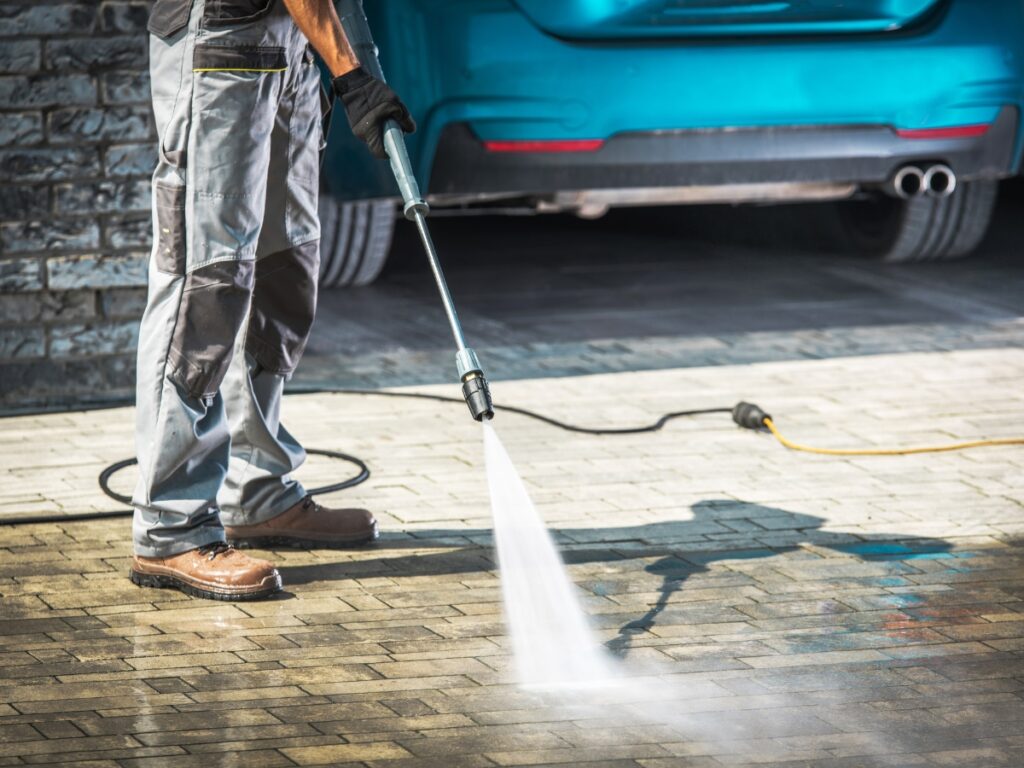
A well-built patio, walkway, or retaining wall should hold up for years, but long-term performance still depends on how the space is cared for after the installation process is complete. In Atlanta, moisture is usually the biggest factor. Humidity, frequent rain, and shaded areas can lead to staining, algae growth, and joint issues if surfaces are ignored for too long. Soil movement also plays a role, especially in yards with clay-heavy ground, because repeated wet and dry cycles can slowly affect the base and edges of hardscape features.
Maintenance does not need to be complicated. The goal is to keep the surface clean, prevent water from sitting where it should not, and catch small issues before they turn into larger repairs. A little consistency goes a long way, especially in the first year after the installation process when materials are settling into place and joints are stabilizing.
What Are The Recommended Maintenance Practices For Patios And Walls?
Routine cleaning is one of the simplest ways to protect your hardscape. Leaves, dirt, and pollen can build up and hold moisture against the surface, which makes staining more likely. A regular rinse and occasional deeper cleaning helps keep patios and walls looking fresh without grinding debris into joints. In shaded areas, pay attention to slick spots that could indicate algae or mildew. Cleaning early usually prevents it from becoming a stubborn layer that is harder to remove.
Joint maintenance matters for paver patios and walkways. Over time, joint sand can wash out from heavy rain or get disturbed by ants and weeds. If you notice gaps between pavers, it is worth refilling them before movement starts. Weed growth is also best handled quickly. When roots work their way into joints or along edges, they can loosen the structure and create uneven sections. Managing weeds early keeps the surface tighter and reduces the chance of shifting.
Sealing is another option that can help, especially for surfaces that stain easily or get a lot of sun and rain exposure. A good sealer can reduce moisture penetration and make cleaning easier, but it is not required for every material. Some homeowners prefer the natural look of unsealed stone, while others like the added stain resistance and color enhancement a sealer can provide. If you do seal, make sure the surface is clean and fully dry first, since sealing in moisture can cause problems later.
For retaining walls, look for early signs of drainage issues. After heavy rain, check whether water is pooling near the base or if soil is washing out behind the wall. Keeping downspouts directed away from wall areas and maintaining proper drainage around the yard helps reduce pressure on the structure.
How Does Proper Maintenance Extend Hardscape Lifespan In Atlanta?
Hardscapes tend to fail slowly, not all at once. A small low spot can become a puddling area, and repeated standing water can soften the base, wash out joint sand, and encourage shifting. Catching those changes early protects the work that went into the installation process and helps avoid larger repairs later.
Maintenance also protects appearance, which matters because outdoor spaces are meant to be used. When surfaces are clean, joints stay filled, and edges remain stable, patios and walls look better and feel safer to walk on. In Atlanta’s climate, regular upkeep is often the difference between a space that stays solid for years and one that needs frequent patching. If you treat hardscape care like seasonal home maintenance instead of an emergency fix, your patio or wall is much more likely to stay level, attractive, and functional over the long term.
Why Choose Atlanta Hardscape Kings For Your Installation Needs?
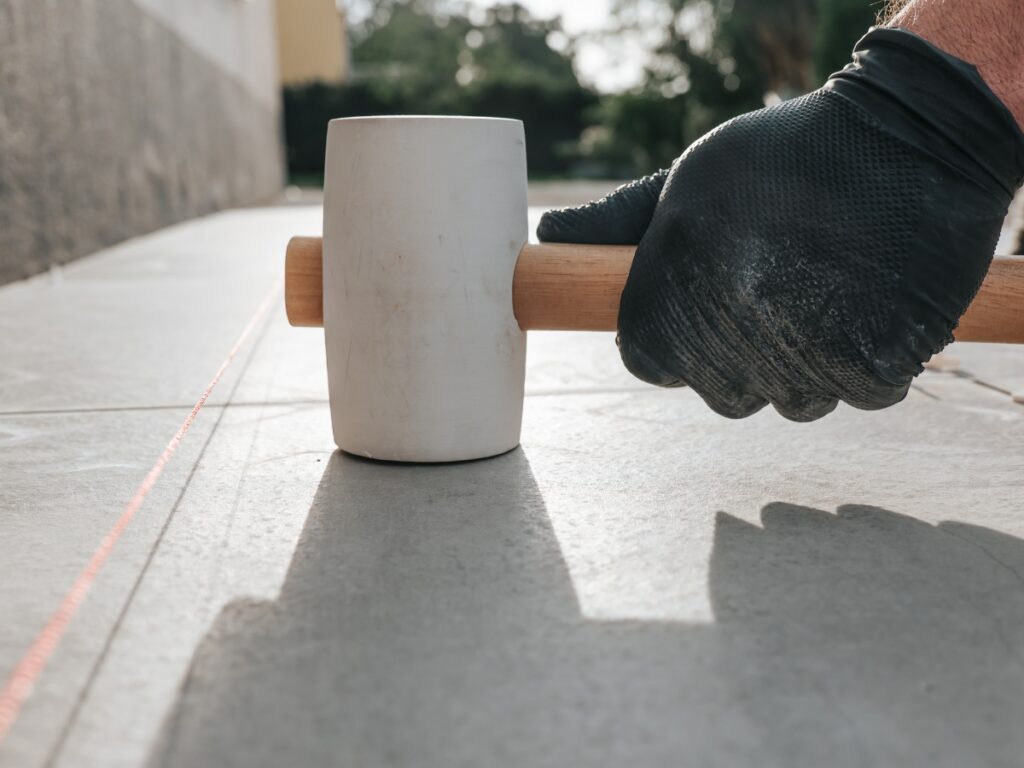
Hiring the right team matters because hardscaping is not the kind of project you want to redo in a couple of seasons. A patio, walkway, or retaining wall needs to be built to handle water, soil movement, and daily use without shifting or cracking. In Metro Atlanta, that often comes down to how well the installation process is planned and executed, especially with clay-heavy soil and sudden downpours that can expose weak base work fast. The best results come from crews who understand local conditions and build with them in mind, not against them.
Atlanta Hardscape Kings is known for focusing on the fundamentals that make hardscapes last. That means paying attention to grading, base depth, compaction, and drainage, not just surface appearance. When those details are handled correctly, the finished project looks better and performs better long after the crew is gone.
What Local Expertise And Craftsmanship Do We Offer?
Local experience shows up in the small decisions that protect the final build. Atlanta yards can vary widely, even within the same neighborhood, and soil conditions can change from one section of a property to another. A team that understands local ground conditions knows when a site needs extra base reinforcement, how to shape slopes so water moves away from the patio, and how to reduce the risk of settling over time. That kind of judgment is hard to copy from a generic playbook.
Craftsmanship also matters in the visible parts of the work. Clean cuts, consistent spacing, and straight lines can make the surface feel polished without looking overdesigned. The same is true for retaining walls, where alignment and proper backfill support affect both the appearance and the stability of the structure. A careful installation process balances looks and structure so the project feels intentional and performs as expected.
How Do Our Project Timelines Align With Client Expectations?
A well-managed timeline is part of a successful installation process, especially for homeowners who still need to use their driveway, backyard, or side gate during construction. Clear scheduling typically starts with setting realistic expectations about what the work involves. Site prep, excavation, base work, and finishing all take time, and rushing the foundation is one of the fastest ways to shorten the life of the hardscape.
Good timeline management also accounts for the realities of Atlanta weather. Rain can slow progress because saturated ground is harder to grade and compact properly. Rather than forcing work through poor conditions, a responsible plan keeps quality as the priority while still providing updates that help homeowners plan around the project. When clients know what phase is happening and what comes next, the experience feels more predictable and less disruptive.
How Material Choice Supports The Finished Result
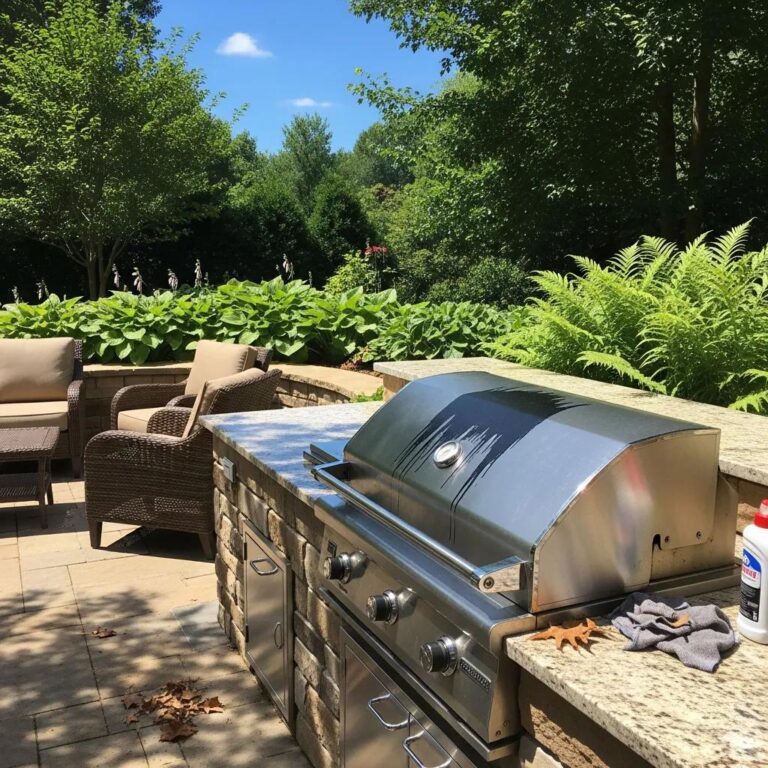
Material selection is part of matching the design to how the space will be used. Concrete pavers are a practical option for patios and walkways because they are durable, consistent in size, and easier to repair if a section ever needs attention. Natural stone offers a more varied, organic look and works well for features like retaining walls or accent areas where texture and character matter. Permeable pavers are often a good fit in areas that struggle with puddling or runoff because they allow water to move through the surface instead of across it.
The right materials, combined with a solid installation process, create an outdoor space that holds up to Atlanta conditions and stays functional and attractive for years. When planning, construction, and material decisions all support each other, the final result feels finished, stable, and built for real life.
Conclusion
Our meticulous hardscape installation process is designed to turn your Atlanta backyard vision into a durable, beautiful reality, with a focus on quality craftsmanship and clear communication from concept to completion. From the initial consultation and custom design to expert installation and final walkthrough, we ensure every detail is executed to the highest standard. At Atlanta Hardscape Kings, we build outdoor spaces that are made to last and meant to be enjoyed. Ready to start your transformation? Call (470) 606-7895 or visit our website to request your free estimate today. Let’s build your dream outdoor living space together.