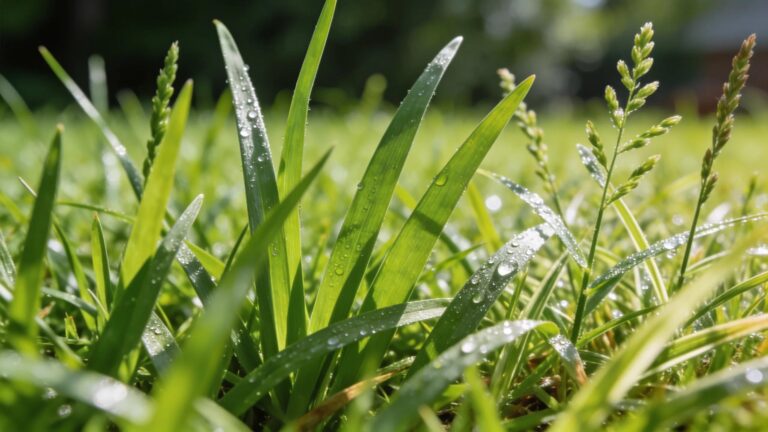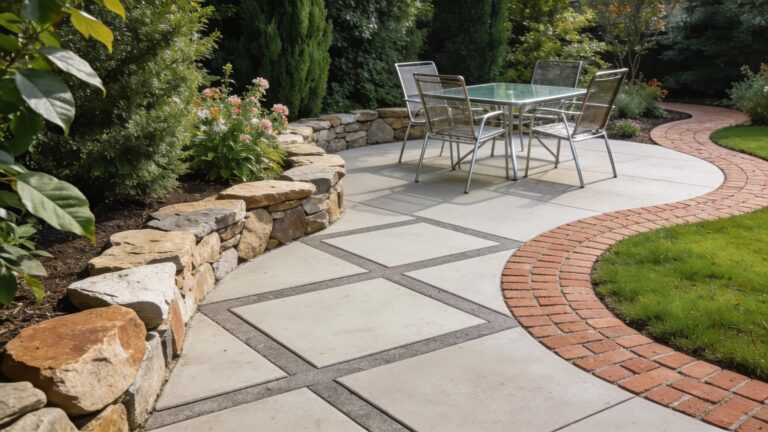
Incorporating plants native to Georgia into your Atlanta hardscape design is a powerful way to create a landscape that is not only beautiful but also resilient, sustainable, and in harmony with the local ecosystem. Native species like Southern Magnolia, Georgia Aster, and switchgrass are naturally adapted to the region’s climate and soil, requiring less water and maintenance while providing essential habitat for pollinators.
In this article, we’ll explore how to thoughtfully blend these indigenous plants with hardscape features like patios, walkways, and retaining walls to achieve a cohesive, low-maintenance, and visually striking outdoor environment that thrives year after year.
Elevate Your Atlanta Hardscape with Georgia Native Plants
Why Plants Native To Georgia Belong In Your Landscape

Choosing plants native to Georgia is one of the easiest ways to create a landscape that looks good and actively supports local wildlife. These plants evolved alongside native insects, birds, and small animals, so they provide the nectar, pollen, seeds, and shelter that many species depend on. When you layer native groundcovers, perennials, shrubs, and trees, you create a small habitat that functions like a corridor through a neighborhood, even in a compact yard.
Instead of relying on constant inputs to keep stressed plants alive, you get a landscape that fits naturally into Georgia’s climate and seasons. Birds find food and nesting material, pollinators have reliable forage from early spring through fall, and beneficial insects help keep pest populations in check. Over time, this kind of planting creates a healthier, more balanced ecosystem right outside your door.
How Native Plants Save Water And Reduce Maintenance
Many plants native to Georgia are adapted to hot summers, variable rainfall, and local soils, which means they generally need less pampering once established. Deep or fibrous root systems help them access moisture and ride out short dry spells, so you are not constantly dragging hoses around the yard. When you group natives by sun and moisture needs, you can often reduce irrigation zones or eliminate some of them entirely.
Lower water use is only part of the story. Plants native to Georgia typically need fewer fertilizers and pest treatments because they are already suited to local conditions and common insects. That translates into less time spent troubleshooting problems and fewer products to buy and store. Maintenance shifts to simple seasonal tasks like pruning, cutting back spent stems, and occasional weeding, rather than ongoing rescue efforts for plants that struggle in the Georgia climate.
Creating A Beautiful, Low-Stress Georgia Landscape With Natives
Using plants native to Georgia does not mean settling for a wild or unplanned look. Many native species offer long bloom periods, interesting foliage, and attractive seed heads that provide structure through the seasons. By mixing different heights, textures, and bloom times, you can design borders and beds that feel intentional and polished while still being easy to care for.
Think of natives as the backbone of your design. You can mix a few well-chosen ornamental accents if you like, but let natives carry most of the visual weight. This approach keeps the landscape grounded in a sense of place, with colors and forms that feel naturally at home in Georgia. The result is a yard that supports pollinators, uses water wisely, and stays manageable over the long term, so you spend more time enjoying your outdoor space and less time working on it.
Which Drought-Tolerant Native Plants Are Best for Georgia Hardscape Projects?
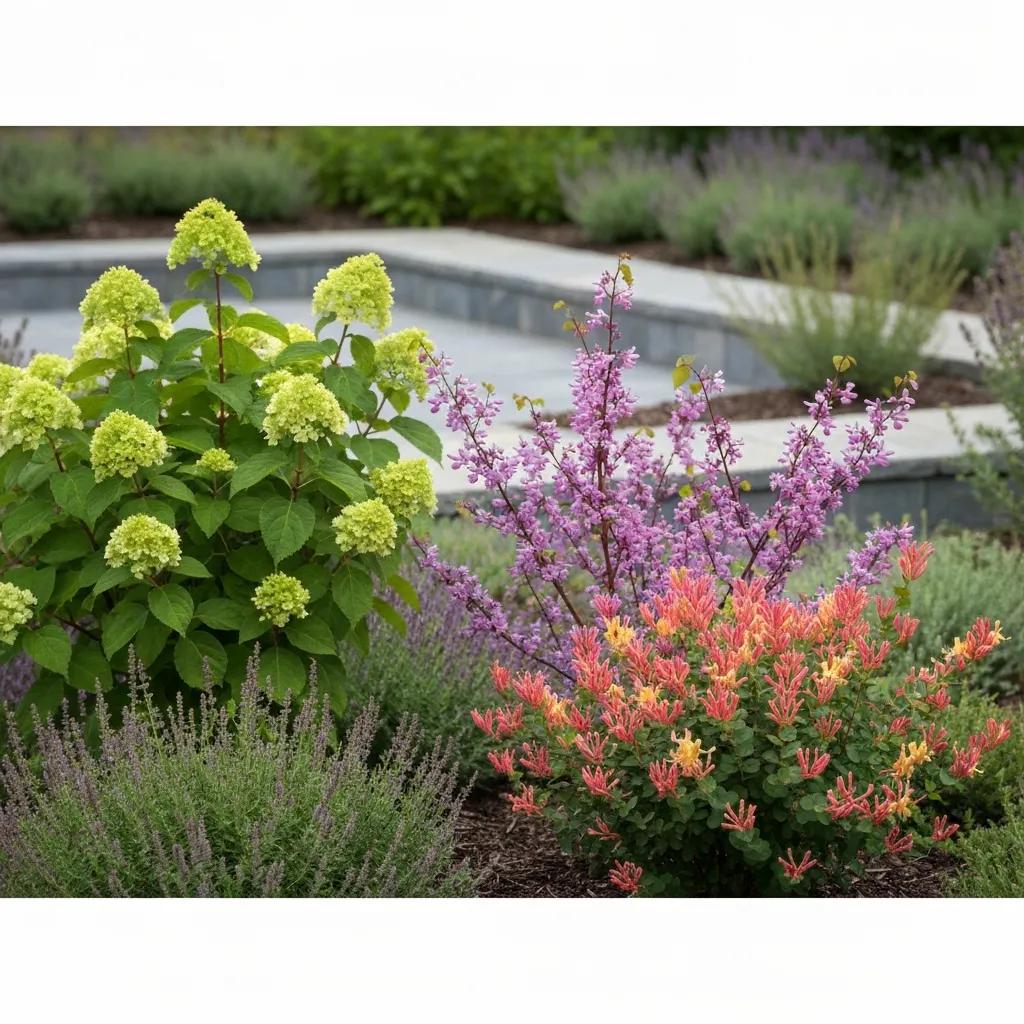
Drought‑tolerant Georgia natives perform well in exposed hardscape conditions: they stabilize slopes, soften paving edges, and need little irrigation once established. Below are top candidates for patios, retaining walls, and walkways with their preferred light, soil, and water conditions plus recommended placement. Use this quick reference to match plants to hardscape use cases and speed up design and installation decisions.
| Plant (Common | Scientific) | Sun / Soil / Water Needs | Best Hardscape Use |
|---|---|---|---|
| Oakleaf hydrangea | Hydrangea quercifolia | Part sun to shade; well‑drained to moist soil; moderate water | Patio edge planting, shady retaining walls |
| Eastern redbud | Cercis canadensis | Full sun to part shade; adaptable soils; low to moderate water | Small courtyard tree, focal point near patios |
| Sweet pepperbush | Clethra alnifolia | Part shade to sun; moist to average soil; moderate water | Rain garden edges near hardscape, foundation planting |
| Coral honeysuckle | Lonicera sempervirens | Full sun to part shade; well‑drained soil; low to moderate water | Trellis or screen adjacent to walkways and patios |
| Georgia aster | Symphyotrichum georgianum | Full sun; well‑drained soil; low water | Border perennial for late‑season color along walkways |
What Are the Top Native Shrubs for Retaining Walls and Slopes in Atlanta?
Shrubs with firm root systems, flexible form, and tolerance for changing moisture are best for stabilizing soil near retaining walls and on slopes. Good options include oakleaf hydrangea, sweet pepperbush, and compact native hollies. Plant shrubs in staggered rows on slopes, set root balls into prepared planting pockets, and use biodegradable erosion‑control fabric while they establish to prevent washouts without blocking roots. Add groundcovers between shrubs to protect soil and slow runoff, and avoid overwatering slopes to prevent saturation and slippage. Thoughtful planting technique and species selection keep walls working as designed while creating a natural look that complements the built elements.
For long‑term success, consider root‑zone depth, leave planting pockets that follow the wall layout, and choose non‑invasive root habits to protect wall footings and drainage. Proper technique preserves both ecological and structural performance by the hardscape.
Which Native Groundcovers Thrive Along Patios and Walkways?
Groundcovers at hardscape edges need to tolerate foot traffic, compacted soil, low height, and seasonal interest while preventing weeds between pavers. Good native choices include low‑growing sedges, ajuga alternatives, and moss‑phlox‑type species that handle part shade to full sun and can be planted in joints or used as edging. When installing, use a well‑draining planting medium, space plants to allow natural fill‑in, and avoid thick mulch that can smother low mats. Match species to expected foot traffic—tough sedges or dwarf grasses for stepping areas and softer, flowering types where trampling is rare. Properly installed native groundcovers soften stone edges and reduce the need for chemical weed control.
Maintenance is simple: watch for weeds during the first two seasons, thin crowded areas as they fill in, and avoid high‑nitrogen feeds that favor leafy growth over flowers. With the right plants and installation, groundcovers become a durable, attractive transition between hard and soft surfaces.
How Can Flowering Native Plants Enhance the Beauty of Atlanta Patios and Outdoor Living Areas?

Flowering natives bring seasonal color, draw pollinators, and soften the hard lines of patios, pergolas, and outdoor rooms while remaining low‑maintenance. Place perennials and shrubs near seating, paths, and focal points to boost fragrance, color, and texture without creating unnecessary upkeep. A layered scheme—spring‑flowering trees, summer perennials, and fall asters—keeps patios interesting throughout the year. Below is a compact plant list pairing species with bloom season, pollinator value, and a practical design tip to turn ecological benefits into beautiful outdoor moments.
| Plant | Season of Interest / Pollinator Value | Design Tip / Companion Plants |
|---|---|---|
| Georgia aster (Symphyotrichum georgianum) | Fall blooms; high value for late‑season pollinators | Use in border drifts with native grasses for autumn contrast |
| Coral honeysuckle (Lonicera sempervirens) | Spring–summer tubular flowers; hummingbird magnet | Train on trellises near seating to attract hummingbirds |
| Oakleaf hydrangea (Hydrangea quercifolia) | Summer blooms; multi‑season foliage interest | Plant at patio edges to create shaded, intimate seating zones |
| Eastern redbud (Cercis canadensis) | Early spring blooms; nectar for bees | Site as a small focal tree that won’t overwhelm courtyard spaces |
| Native salvia or agastache species | Summer blooms; bees and butterflies | Pair with gravel or permeable pavers for a low‑water display |
What Are the Best Pollinator-Friendly Native Perennials for Hardscape Borders?
Pick pollinator‑friendly perennials for bloom timing, flower shape, and nectar accessibility to support a broad range of bees, butterflies, and hummingbirds. Good choices include asters for fall nectar, native salvias and agastaches for summer forage, and long‑blooming wild bergamot and coneflowers for midsummer interest. Plant perennials in groups of three or more for stronger visual impact and to create usable foraging patches. Keep narrow maintenance paths to reduce disturbance and avoid pesticides in border areas to protect pollinator habitat. Sized correctly for root growth and drainage, these plantings stay low‑maintenance while delivering continuous food for pollinators through the season.
Designers should sequence bloom times so early, mid, and late‑season flowers provide steady nectar, and choose species that tolerate hardscape microclimates—heat reflection and occasional compaction—near edges.
Which Native Trees Provide Shade and Structure in Hardscape Designs?
Small‑ to medium‑sized native trees add scale, dappled shade, and vertical structure without overpowering patios when sited properly. Eastern redbud offers spring color and a modest mature size for courtyards; serviceberry and hornbeam‑type natives provide multi‑season interest with minimal root aggression. Near hardscape, allow adequate rooting volume and use root‑friendly planting techniques (structural soils or engineered beds when needed). Choose species with non‑invasive roots to protect patios, driveways, and utilities. Consider mature canopy, leaf drop, and maintenance needs so the tree enhances outdoor living rather than complicating it. Proper placement creates comfortable microclimates, reduces heat on paving, and adds habitat value to urban yards.
Good species selection and siting prevent root conflicts and let trees anchor outdoor rooms without damaging built elements.
What Are the Key Design Principles for Integrating Native Plants with Hardscape Elements?

Successfully integrating native plants with hardscape starts with understanding the site, then moving into thoughtful plant selection, material pairing, and installation details that protect both the plants and the built surfaces. A good design looks at sun exposure, prevailing winds, drainage patterns, soil type, and how people actually move through the space. When you place plants native to Georgia where they can thrive without blocking circulation or stressing walls, patios, and walkways, the whole yard feels more intentional and easier to live with.
Material choices matter as much as plant choices. Stone color, joint width, gravel, and mulch should harmonize with plant textures and mature forms so transitions between hardscape and planting beds feel natural. At the same time, you want to think practically. Group plants by water needs so irrigation can be zoned efficiently, and plan where maintenance crews or homeowners will walk so pruning, mulching, and repairs do not mean stepping through delicate beds. When you sequence hardscape construction first, then soil prep and planting, you reduce the risk of compacting planting areas or damaging young roots.
Planning these details at the start streamlines installation, cuts down on rework, and produces landscapes that are easier to maintain over time while still supporting a healthy mix of plants native to Georgia around patios, paths, and other structures.
How Does Site Analysis Influence Plant Selection for Hardscapes?
Site analysis reveals the conditions that will shape every planting decision near hardscape. By mapping light patterns throughout the day, testing soil texture and depth, and watching how water moves during and after rain, you can see where plants will struggle and where they will flourish. This helps you avoid common problems such as placing moisture-sensitive species in runoff zones, setting deep-rooted trees too close to foundations, or crowding tall plants into windy, exposed corners.
Using the “right plant, right place” approach is especially important when you are working with hardscape. Drought-tolerant natives belong on sunny, sloped, or well-drained areas, while moisture-loving species fit better in low spots or near downspouts where water lingers. Shade-adapted plants can soften tall garden walls or grow under existing tree canopies without constant struggle. Once the site information is clear, you can build a planting plan that includes soil amendments, mulch depth, and irrigation adjustments so installations have a higher success rate and protect your investment in the hardscape itself. Detailed site work up front reduces plant failures and creates a resilient, integrated landscape layer around every built feature.
How Do You Balance Hardscape and Softscape for a Cohesive Outdoor Space?
Balancing hardscape and softscape is about creating smooth transitions, visual rhythm, and clear focal points so the space feels connected rather than pieced together. Repeating key plants, spacing them consistently, and limiting the number of paving materials keeps the design from looking busy. Larger plant masses should be scaled to the size of patios, walks, and walls so neither element dominates. Soft edges made from groundcovers, low shrubs, and layered perennials help relax rigid lines, while taller structural plants can frame views, anchor corners, and define outdoor “rooms” without overwhelming the space.
It is also important to design with long-term maintenance in mind. Leave access routes for irrigation and utilities, select plants with growth habits and pruning needs that match the homeowner’s maintenance comfort level, and always plan for mature size to avoid branches scraping siding or roots lifting paving. Matching stone tones to foliage and pairing grasses with complementary textures or bloom colors ties paths and seating areas to the surrounding planting, especially when you rely on plants native to Georgia that already feel at home in the local landscape. When hardscape and softscape are designed together, the result is an outdoor space that functions well, ages gracefully, and feels like one cohesive environment rather than a collection of separate parts.
Which Low-Maintenance Native Plants Are Ideal for Atlanta Hardscape Landscaping?

Low‑maintenance natives cut pruning, fertilizer, and watering needs while still providing year‑round form and visual appeal near patios, tiles, and walkways. Below, we highlight native grasses, sedges, and xeric perennials suited to low‑input schemes and summarize typical maintenance reductions. Pair these species with correct spacing, mulch, and minimal fertilization to build durable landscapes that lessen seasonal labor and resource use.
| Plant | Maintenance Tasks / Frequency | Estimated Reduction in Water / Fertilizer / Pest Care |
|---|---|---|
| Native little bluestem (Schizachyrium) | Cut back once yearly in late winter | Reduced watering across the season; minimal fertilizer; low pest care |
| Native sedges (Carex spp.) | Light spring cleanup; occasional thinning | Lower irrigation needs in shady areas; negligible fertilizer |
| Dwarf yaupon or small native holly | Annual pruning for shape | Less pruning time; low fertilizer; high pest resilience |
| Xeric perennials (salvias, agastache) | Deadhead and divide lightly every 2–3 years | Significant water savings after establishment; low disease management |
What Native Grasses and Xeriscape Plants Reduce Maintenance Around Hardscapes?
Warm‑season native grasses and xeric perennials reduce mowing, irrigation, and pest‑management needs when used as borders or slope stabilizers. Little bluestem and native switchgrass add upright form and seed‑head interest while tolerating lean soils; sedges form low mats that handle shade and occasional compaction. Establish with supplemental irrigation the first season, then taper as roots mature; avoid high‑nitrogen fertilizer to preserve drought resilience. Group grasses with xeric perennials to create largely self‑sustaining plantings that need only seasonal cutting and rare division. These choices save long‑term time and resources while keeping hardscape edges tidy.
How Can Year-Round Interest Be Achieved with Native Plant Choices?
Create year‑round interest by staggering seasonal highlights—early spring blossoms, summer foliage, fall color, and winter structure—using a mix of evergreen natives, flowering perennials, and structural shrubs. Combine evergreen hollies or yucca‑type forms for winter backbone, eastern redbud for spring punctuation, summer perennials for color, and asters or late grasses for autumn interest. Repeat key plants to tie the composition together and contrast textures and bloom shapes for continual visual appeal. Basic maintenance—annual pruning of structural plants, selective grass cutting, and occasional division—keeps the palette intact with modest effort. Thoughtful selections make hardscape‑adjacent plantings attractive through every season.
How Does Atlanta Hardscape Kings Integrate Native Plants Into Custom Hardscape Designs?

At Atlanta Hardscape Kings, native planting is built into the design process from the beginning, not added at the end. The team uses a structured workflow that connects site analysis, design, installation, and maintenance planning so plant choices support the long-term performance of patios, walls, and walkways. Materials are specified with root zones, drainage, and sun exposure in mind, which helps reduce conflicts between expanding root systems and built features over time.
During planning, the designer develops a planting palette that fits local conditions and works visually with stone, pavers, and gravel. Shrubs, grasses, and groundcovers are placed where they can stabilize slopes, soften patio edges, or frame steps and landings without blocking movement. Irrigation zones are mapped so plants with similar water needs share lines, and the sequence of construction is set up to protect prepared soil while hardscape is installed. This approach keeps plants native to Georgia healthy and avoids common problems like standing water against foundations or crowded joints that are hard to maintain.
A regional example of this mindset is the Atlanta History Center, where native plant communities are used as the foundation of the landscape. That site shows how layered planting and careful grading can create a strong sense of place while still protecting paths, walls, and gathering areas. In a similar way, a process-driven approach at home reduces plant failures, protects structural investments, and helps the landscape reach maturity more quickly.
What Is Our Process For Designing Native Plant-Friendly Patios And Retaining Walls?
Designing patios and retaining walls that work well with native planting starts with a thorough site visit. During that visit, microclimates, drainage paths, and existing vegetation are mapped, and notes are taken on how the space is used now and how the homeowner wants to use it in the future. From there, a concept plan shows plant zones, paving layouts, and grade changes so it is clear where walls, steps, and beds will sit in relation to one another.
That concept is then developed into more detailed drawings. A planting plan identifies species by zone, with attention to mature size, root behavior, and seasonal interest. A companion hardscape plan calls out materials, joint types, and drainage details. Installation is sequenced so excavation and base preparation are completed first, followed by drainage work, soil amendments, and finally planting. During construction, root zones of existing trees are protected, new plants are set at the right depth, and slopes are graded to move water away from structures. This kind of structure helps homeowners understand what will be involved in caring for a landscape that features plants native to Georgia around their new hardscape.
How Can Homeowners Prepare For A Native Plant Hardscape Project?
Homeowners can make the design process smoother by gathering key information before planning begins. Current site photos from different angles, rough measurements of patios or slopes, and a simple sketch of property lines and major features give the designer a head start. It also helps to list the main goals for the project, such as improving drainage, lowering maintenance, creating more shade, or supporting pollinators.
Practical observations matter too. Noting where water tends to collect after a storm, how the sun moves across the yard on a typical day, and where soil feels especially compacted or sandy gives important clues about which plant communities will succeed. When these details are shared early, the designer can create a clearer plan that aligns hardscape features with planting zones and long-term care. With thoughtful preparation, it becomes much easier to build an outdoor space where durable materials and plants native to Georgia work together to create a yard that looks good, functions well, and feels connected to the local landscape.
Frequently Asked Questions
How Do I Choose The Right Native Plants For My Hardscape Design?
Start by looking closely at what your site already gives you. Notice where the sun hits throughout the day, how the soil feels when you dig into it, and which areas stay damp or dry out quickly. From there, you can match plants native to Georgia to those real-world conditions instead of forcing a design that will struggle. It also helps to think about your goals for the space. If you want color, note bloom times so something is happening in spring, summer, and fall. If you are more focused on structure, pay attention to mature height and spread so plants frame paths and patios without crowding them. Local native plant guides and credible regional resources can help you narrow down options into a simple palette that looks good and holds up over time.
What Maintenance Practices Are Recommended For Native Plants In Hardscapes?
Once established, many plants native to Georgia need less intensive care than traditional ornamentals, but they are not completely maintenance free. In the first season, consistent watering helps roots settle in, especially around heat-reflective surfaces like stone and concrete. After that, most care revolves around light pruning, occasional weeding, and checking for pests or diseases before they become serious problems. Rather than leaning on high-nitrogen fertilizers, focus on building healthy soil with compost and maintaining a modest layer of mulch to hold moisture and reduce temperature swings. Simple seasonal tasks, such as cutting back perennials in late winter and removing spent blooms where needed, are usually enough to keep native plantings looking tidy without heavy weekly chores.
Can Native Plants Help With Erosion Control In Hardscape Areas?
Native shrubs, grasses, and groundcovers are especially useful on slopes, along retaining walls, and near steps or paths where runoff can be an issue. Many of these plants have deep or fibrous root systems that hold soil in place and slow the movement of water. When planted in bands or layered groups, they act like a living net that protects soil, filters runoff, and reduces splash against hard surfaces. Over time, this kind of planting can lessen erosion around your hardscape, support better drainage, and create a softer transition between built edges and the surrounding ground.
How Do I Help Native Plantings Thrive In Urban Environments?
Urban yards often mean compacted soil, reflected heat from pavement, and irregular watering, so it is worth choosing plants native to Georgia that are known to tolerate these stresses. Before planting, loosen the soil where you can and add organic matter to improve structure and water-holding capacity. Group plants with similar needs together so irrigation can be more efficient, and give each plant enough space for good air movement. Mulch helps buffer temperature swings and reduces moisture loss. You can also use walls, fences, and taller shrubs to create small microclimates that shelter more sensitive plants from wind and extreme sun, giving them a better chance to thrive in a tough setting.
What Role Do Native Plants Play In Supporting Local Wildlife?
Native plants provide the kind of food and shelter local wildlife evolved with. Flowering perennials and shrubs offer nectar and pollen for bees, butterflies, and other pollinators, while seed heads and berries feed birds and small mammals. Dense foliage and layered plant structure create nesting and hiding places that bare mulch or lawn simply cannot provide. When you choose a variety of plants native to Georgia, you create a small but meaningful extension of the surrounding ecosystem, turning your hardscape into more than just a paved space by weaving in habitat that benefits both wildlife and people.
How Can I Incorporate Seasonal Interest With Native Plants In My Hardscape?
Seasonal interest comes from planning for change instead of fighting it. Mix early blooming species with summer standouts and fall performers so there is always something happening near your paths and patios. Combine flowering plants with evergreen shrubs or grasses that offer form and texture when flowers are not in bloom. Think about how foliage color, seed heads, and bark will look against stone or brick at different times of year. By repeating key plants in several spots and layering heights, you create a steady rhythm that keeps the hardscape feeling connected and visually engaging from one season to the next.
What Are The Benefits Of Hiring A Professional For Native Plant Integration In Hardscapes?
A professional designer or installer who understands native planting and hardscape can shorten the learning curve and help avoid expensive mistakes. They bring experience in reading site conditions, selecting appropriate species, and detailing how walls, walks, and planting beds work together. A good plan will outline grading, drainage, soil preparation, and planting steps in a clear sequence, along with basic care guidelines for the first few years. That structure makes it easier for homeowners to understand what to expect as the landscape matures and increases the chances that their investment in plants native to Georgia and quality hardscape will pay off over the long term.
Conclusion
Integrating plants native to Georgia with your hardscape is the secret to creating a vibrant, sustainable, and truly authentic Atlanta landscape. From the soft texture of feathery grasses to the seasonal color of azaleas, these plants thrive with minimal care while attracting local wildlife and enhancing your property’s natural beauty. At Atlanta Hardscape Kings, we specialize in crafting harmonious designs that blend stone, pavers, and native greenery into a cohesive and stunning outdoor retreat. Ready to create a landscape that belongs? Call (470) 606-7895 or visit our website to request your free estimate today. Let’s build an outdoor space that celebrates the best of Georgia, season after season.