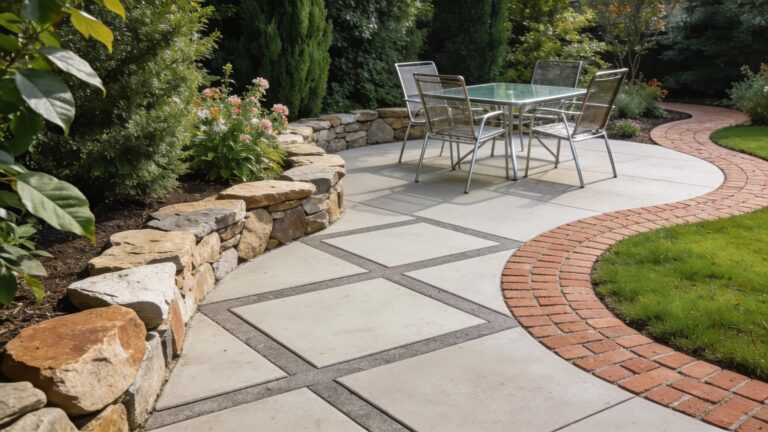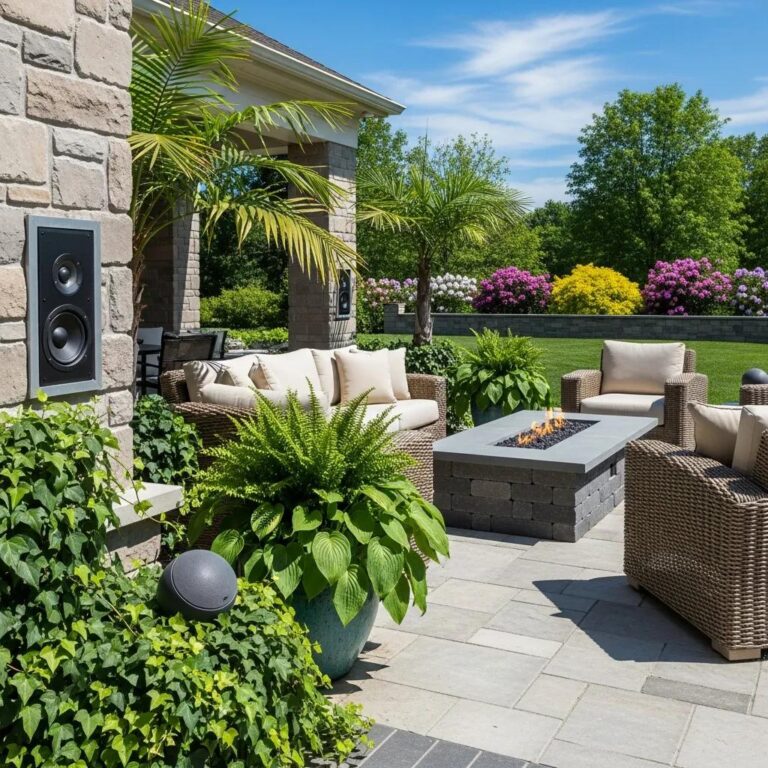
Installing a pergola to your Atlanta backyard is more than just an aesthetic upgrade—it’s a functional enhancement that creates defined outdoor living space, provides relief from the Georgia sun, and increases the overall value and enjoyment of your property. Whether you’re looking to create an elegant dining area, a cozy lounge space, or a beautiful garden focal point, a well-designed pergola offers versatility, style, and a touch of architectural interest.
In this blog post, we’ll explore the key benefits of installing a pergola in an Atlanta climate, from extending your outdoor season to supporting climbing plants and boosting curb appeal, helping you decide if this structure is the perfect addition to your outdoor oasis.
Installing a Pergola: Why It’s the Smartest Backyard Investment
Key Benefits Of Adding A Pergola To Your Atlanta Backyard

For many Atlanta homeowners, installing a pergola is one of the easiest ways to turn a basic yard or patio into a true outdoor living room. A pergola creates a defined “ceiling” outside, which makes dining, lounging, and entertaining feel more intentional without the cost or complexity of a full room addition. It gives structure to decks and patios, provides places to mount lighting and fans, and helps connect indoor and outdoor spaces so your home feels larger in daily use.
In Atlanta’s humid subtropical climate, shade and airflow matter. A well-planned pergola softens direct sun while still letting breezes move through, which makes summer afternoons more bearable and shoulder seasons more comfortable. When it is paired with thoughtful landscaping and hardscaping, a pergola also makes the backyard look finished and move-in ready, a detail that can help when it is time to sell.
How A Pergola Improves Outdoor Living And Entertaining
Installing a pergola over a patio or deck immediately gives the space a purpose. Instead of scattered furniture, you get a room-like zone where seating, dining, and circulation make sense. The overhead structure frames where the table goes, where a grill or outdoor kitchen should sit, and where string lights or speakers can hang. That sense of order makes it easier to host everything from weeknight dinners to weekend gatherings because the layout already supports how people move, sit, and talk.
Pergolas also keep you visually connected to the rest of the yard. You can enjoy the feeling of an outdoor room without losing sightlines to gardens, play areas, or a pool. For many Atlanta homes where indoor square footage is at a premium, installing a pergola is a practical way to “add” living space without changing the house footprint.
How Pergolas Deliver Better Shade And Comfort
Shade quality is one of the biggest reasons homeowners consider installing a pergola. Open rafters can break up harsh sun, while louvered roofs or fabric canopies offer adjustable protection when the sun is intense or a light shower passes through. In Atlanta, where heat and humidity combine, adjustable shade lets you protect both people and outdoor furniture from UV exposure without closing off the space completely.
Material and color choices influence comfort as well. Light-painted wood or aluminum can reflect more heat, while darker finishes absorb it. Adding outdoor curtains, side screens, or climbing plants can create cooler pockets of air and cut glare, which turns a hot corner into a spot you can actually use in the late afternoon.
How A Pergola Can Raise Curb Appeal And Home Value
A well-designed pergola sends a clear signal that the backyard is part of the home, not an afterthought. When buyers tour an Atlanta property and see a defined dining area under a pergola, complete with lighting and coordinated paving, they immediately picture how they would use it. That perceived usability can make a home stand out against similar listings that only offer an open slab or an undeveloped yard.
Although exact return on investment varies by neighborhood and project scale, choosing durable materials and a design that matches the style of the house usually pays off over time. A pergola that is properly scaled to the home and integrated with existing patios, decks, and plantings reads as a permanent upgrade rather than a temporary add-on.
Privacy, Seclusion, And Design Versatility
On tighter Atlanta lots, a pergola can also help with privacy. Slim posts combined with lattice panels, outdoor curtains, or vertical plantings create screening from neighboring windows without turning the space into a dark box. By adjusting where those elements sit, you can block specific sightlines while keeping air and light.
Design-wise, pergolas are flexible enough to suit everything from traditional brick homes to modern builds. Timber structures with classic detailing work well with Craftsman or Colonial styles, while sleek aluminum or steel frames fit contemporary architecture. Matching beams, posts, and finishes to nearby railings, trim, and hardscape ties the whole yard together. With the right plan, installing a pergola becomes less about adding a single feature and more about completing an outdoor living area that you will actually use.
Popular Pergola Designs and Materials for Atlanta Backyards
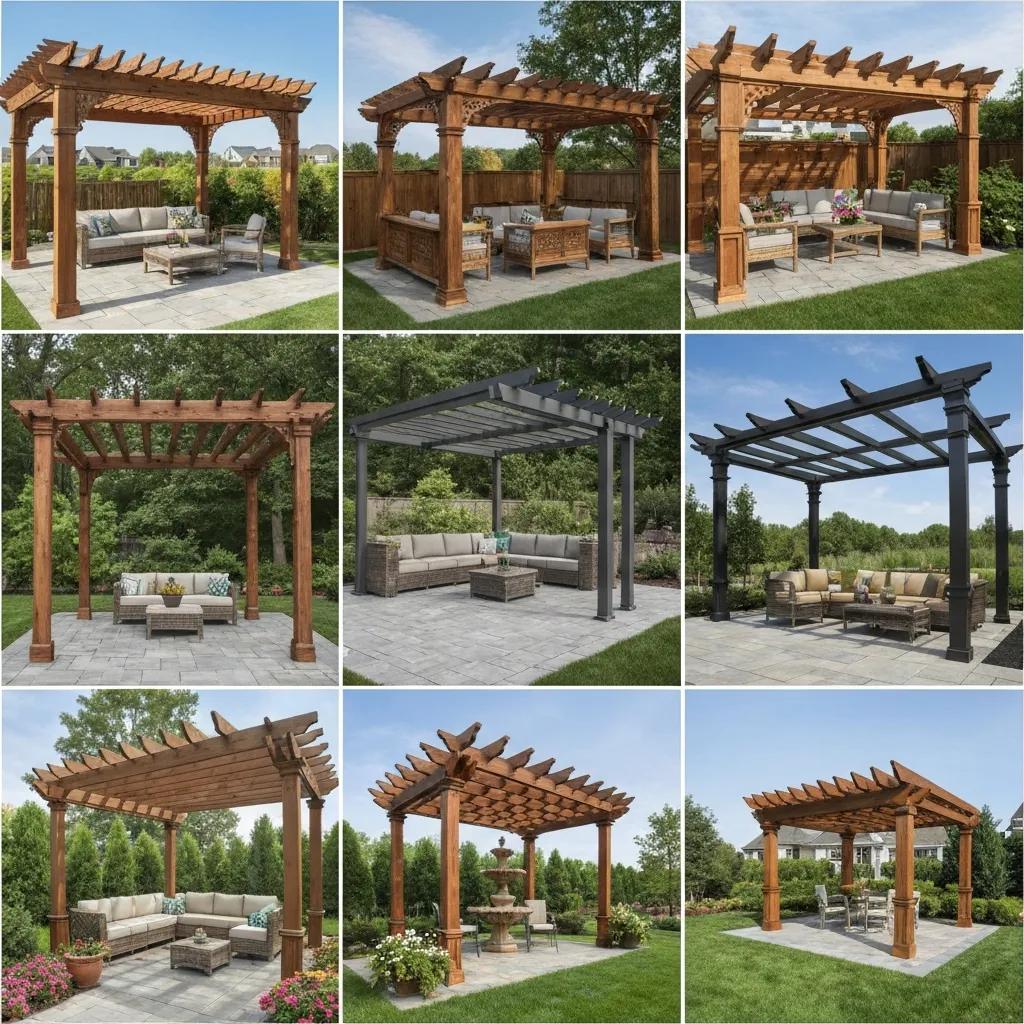
Picking a pergola design and material means balancing looks, durability for Atlanta’s climate, and how much upkeep you want. Common choices include attached and freestanding pergolas, louvered or fixed roofs, and retractable canopies. Design should consider lot layout, sun exposure, and how the pergola will connect to patios, decks, or pools. Wood brings warmth but needs more care; aluminum and vinyl cut maintenance at the expense of a different aesthetic. Below, we outline popular design types and a material comparison focused on humidity, UV, and local pest concerns.
Custom Pergola Designs That Fit Atlanta Homes
Local pergola designs often start from the home’s architecture and the homeowner’s intended use—examples include dining pergolas, lounge pergolas, and poolside pergolas that integrate with nearby features. An attached pergola that ties to the rear elevation creates a smooth indoor-outdoor flow and can be sized to shelter a dining area or outdoor kitchen. Freestanding pergolas add flexibility for poolside lounging or framing a garden focal point, and can be outfitted with lighting for evening use. For entertainment-focused builds, plan for wiring runs, speaker channels, and durable flooring to support year-round gatherings. Choosing a concept early simplifies accessory lists and clarifies material and labor estimates.
Materials That Work Best in Atlanta’s Climate
Material decisions trade off appearance, maintenance, resistance to humidity and pests, and budget. Wood—cedar, redwood, pressure-treated pine—gives a classic look but needs regular sealing in our humid conditions. Aluminum and vinyl are low-maintenance choices that resist rot, termites, and moisture-related decay, making them attractive if you want less upkeep. Consider fasteners, finishes, and warranties as part of the selection; those details matter in Atlanta. The table below compares common options by durability, upkeep, and suitability for our local environment.
| Material Type | Durability | Maintenance | Atlanta Climate Suitability |
|---|---|---|---|
| Cedar | Moderate to high natural decay resistance | Requires staining/sealing every 2–3 years | Nice natural look; needs regular protection against humidity |
| Redwood | High natural decay resistance | Periodic sealing and upkeep | Premium appearance and long-term performance with proper care |
| Pressure-Treated Wood | Moderate (chemically treated for rot resistance) | Needs staining or painting to prolong life | Budget-friendly but inspect fasteners for corrosion over time |
| Aluminum | High corrosion resistance | Low; occasional washing to remove debris | Excellent for humid, sunny conditions; lightweight and durable |
| Vinyl/PVC | High (resistant to rot and insects) | Very low; periodic cleaning | Low-maintenance choice; fewer color and texture options |
This table highlights the trade-offs: wood for classic warmth and finish options, metals and vinyl for lower upkeep and long-term resilience. Reviewing these factors early helps you match budget, looks and maintenance expectations.
Comparing Cedar, Redwood, and Pressure-Treated Wood
Cedar and redwood have natural oils and grain structures that resist decay and pests better than many softwoods, making them attractive for warm, natural-looking pergolas. Pressure-treated lumber is chemically treated to resist rot and insects and usually costs less up front, though it can warp or wear faster if not properly sealed. All wood types need periodic cleaning, inspection and resealing to stay sound in Atlanta’s humid summers and wet seasons. Pay attention to fasteners and hardware—untreated metal connectors can corrode here—so use corrosion-resistant anchors and fittings for longer life. If you want wood with extended durability, combine a high-quality species with protective finishes and stainless or coated hardware.
Why Choose Aluminum or Vinyl in Atlanta
Aluminum and vinyl offer low-maintenance alternatives that resist rot, termites and moisture-related decay common in humid climates. Aluminum brings strong, lightweight frames and powder-coat finishes that stand up to UV exposure and humidity. Vinyl needs little more than routine cleaning and won’t rot or attract insects, though it doesn’t offer the same natural wood look. Both reduce long-term maintenance costs, which appeals to busy homeowners who prefer a “set it and forget it” solution. Choosing these materials often shifts budget from ongoing upkeep to higher-quality installation and accessories.
How Pergola Installation Works with Atlanta Hardscape Kings
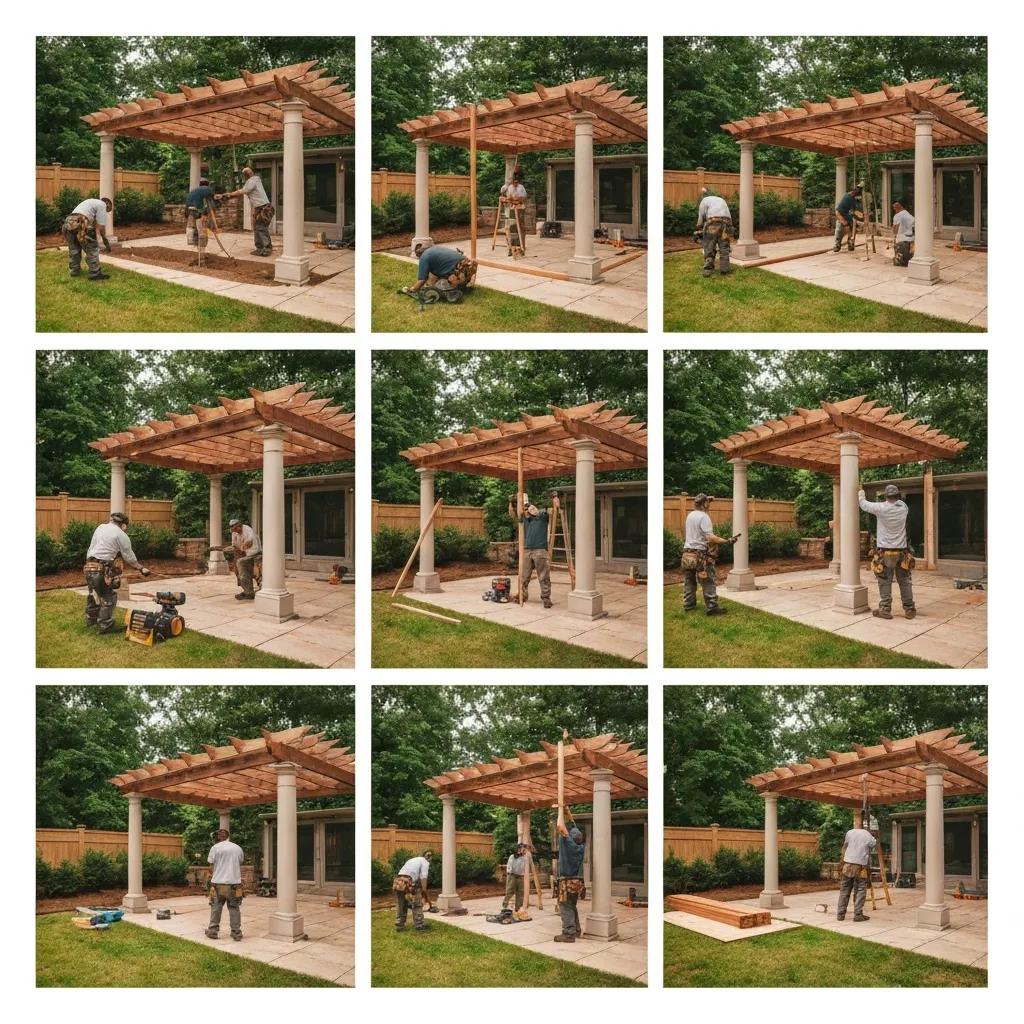
When you hire professionals, installation usually follows a clear flow: consultation and site assessment, custom design and material selection, permitting and compliance, installation, then a final walkthrough with quality checks. Atlanta Hardscape Kings works across Metro Atlanta and coordinates pergola projects with patios, decks, landscape lighting, and retaining walls so everything feels integrated. Working with a local contractor ensures material choices and construction methods match Atlanta codes and climate realities.
What to Expect in the Consultation and Design Phase
The process starts with a site visit to check lot conditions, sun orientation, existing hardscape, and your goals—this gives a foundation for design options and a scoped estimate. Designers sketch layouts, discuss attached vs. freestanding choices, and recommend accessories like lighting circuits, canopy systems, and seating. Bring photos of styles you like, note furniture and cooking equipment needs, and point out any access constraints to help refine the plan. The consultation ends with a proposal that lays out the scope, recommended materials suited to Atlanta’s climate, and a timeline so you can compare options before permitting and construction begin.
How Material Selection Is Guided for Durability in Atlanta
Material choice follows a checklist weighing climate resilience, maintenance expectations, budget, aesthetic goals, and warranty support to land on a durable, low-regret option. Important factors include resistance to rot and insects, finish life under UV exposure, corrosion-resistant hardware, and supplier support for replacement parts. In Atlanta, materials with proven humidity tolerance—like properly sealed cedar or powder-coated aluminum—are common recommendations to limit upkeep. Professional installers advise on fasteners, anchoring methods and finish systems that extend service life and ensure accessories like retractable covers or lighting work reliably.
What Professional Installation Looks Like
Skilled installation includes site prep, secure footings or anchors, careful post-and-beam assembly, weatherproofing of connections, and a thorough cleanup—plus inspections at key stages to meet code and ensure stability. Timelines vary with complexity but typically span several days to a few weeks, factoring in permit time when required. Installers verify footing depth for soil conditions, use corrosion-resistant hardware and protect landscaping during work. The job wraps with a final inspection and homeowner walkthrough that covers maintenance tips, accessory operation and warranty or follow-up items so you get lasting performance.
Pergola Cost in Atlanta: What Drives Price and How to Plan

Costs range widely depending on size, materials, attachment type, custom features, labor rates and permitting. Prices can span from budget-friendly pressure-treated wood freestanding pergolas to high-end custom systems with louvered roofs, integrated lighting and premium materials like redwood or powder-coated aluminum. Site conditions—access, soil type and need for footings or grading—also affect cost and schedule. Below you’ll find a practical cost framework and a table that breaks down how materials, labor, permits and custom features influence the final project price.
Typical Cost Ranges for Pergola Projects in Metro Atlanta
Pergola pricing varies by complexity: small, basic freestanding pergolas built from pressure-treated wood are most budget-friendly, while large attached pergolas with premium materials and electronics sit at the top of the range. Use material choice, finish level, and accessory needs—lighting, louvers, motorized covers—as the main levers for cost. Labor and permit fees depend on the neighborhood and site difficulty. Sample scenarios include a simple freestanding unit for a modest yard, a mid-range attached pergola with lighting, and a premium custom build with motorized shade controls—each shows how features add up. Early clarity on tiers helps align features with your budget and expected value.
Material, customization, labor, and permitting are the predictable pieces that add up to your final price—itemizing them reduces surprises.
| Cost Component | Key Attribute | Typical Impact on Price |
|---|---|---|
| Materials | Wood vs aluminum vs vinyl | Major driver; premium woods and metals increase cost |
| Size & Complexity | Square footage and architectural detailing | Costs scale with area and custom joinery or curves |
| Labor & Installation | Access, foundation needs, specialized trades | Site complexity and skilled labor raise installation costs |
| Permits & Inspections | City of Atlanta regulations and fees | Adds permit fees and can affect schedule |
| Custom Features | Lighting, louvered systems, canopies | Substantial additions to materials and labor |
Use this breakdown to isolate the biggest cost drivers and weigh upgrades that give you the most long-term value. Planning ahead reduces change orders and keeps your timeline steady.
Local Factors That Influence Installation Cost
Local influencers include access to the site, footprint and height of the pergola, soil conditions that affect footing depth, and any electrical or plumbing needs for lighting or outdoor kitchens. Sites that require grading, retaining walls or close integration with existing decks increase labor and time. Motorized louvers, integrated lighting circuits and built-in seating add material and electrical trade costs. You can control costs by phasing work, choosing low-maintenance materials to cut lifecycle expenses, or picking standardized components over fully custom millwork.
Permits and Regulations That May Affect Cost in Atlanta
Permit requirements vary by jurisdiction and scope: some small freestanding pergolas may be exempt, while larger or attached structures often need permits and inspections. Permit rules can influence design—roofed or elevated structures may trigger stricter structural requirements that raise costs. Permit lead times also affect schedules, so include them when planning. Check your local building department for specific thresholds and include permit fees and plan review in your budget to avoid surprises.
Why Homeowners Choose Atlanta Hardscape Kings For Pergolas

When homeowners start thinking about installing a pergola, they usually want two things: a structure that looks like it belongs with the house and one that will hold up to Atlanta weather for years. Atlanta Hardscape Kings focuses on both. The team serves the metro Atlanta area and emphasizes careful planning, solid construction, and finishes that feel intentional rather than tacked on. Instead of treating a pergola as a standalone add-on, they look at the whole backyard layout, existing patios, and sightlines from inside the home so the new structure feels like a natural extension of the space.
Homeowners also appreciate clear communication around timelines and budgets. Installing a pergola often ties into other projects such as new paving, a fire feature, or landscape lighting, and that coordination matters. Atlanta Hardscape Kings helps clients understand how the pergola footprint, orientation, and height will affect shade, views, and future upgrades. That guidance makes it easier to decide on size, placement, and materials before construction starts, which reduces change orders and keeps projects moving smoothly.
What Sets Atlanta Hardscape Kings Apart
A big part of the company’s reputation comes from its focus on craftsmanship and installation details. Posts are anchored correctly, footings are sized for local soil and code conditions, and hardware is chosen to resist corrosion in Atlanta’s heat and humidity. Careful joinery, level rafters, and clean connections to existing patios or decks give each pergola a finished look that holds up on close inspection. When installing a pergola next to a home, the crew pays attention to rooflines, trim colors, and existing hardscape so the new structure complements what is already there.
Material recommendations are tailored to how each family plans to use the space. Some homeowners prefer the warmth of stained wood and are comfortable with periodic maintenance, while others lean toward aluminum or composite options that require less upkeep. Atlanta Hardscape Kings helps compare those tradeoffs in terms of cost, appearance, and long term care so the final design fits both the property and the homeowner’s tolerance for maintenance. The result is a pergola that looks good on day one and is easier to live with over time.
How Customer Satisfaction Shows Up In Completed Projects
Customer feedback often mentions how organized and predictable the process feels from the first site visit through final walkthrough. Homeowners say they value clear scopes of work, realistic schedules, and crews that respect neighboring yards and shared spaces. Pergolas are usually integrated with other elements such as patios, seating areas, retaining walls, or low-voltage lighting, and clients notice when those pieces work together instead of feeling pieced together.
Finished projects tend to share a few traits: proportions that suit the house, shade where it is actually needed, and thoughtful details like conduit for future lighting or fans. By focusing on these practical touches, Atlanta Hardscape Kings helps homeowners get more daily use from their outdoor living areas. For anyone considering installing a pergola, reviewing built projects and speaking with past clients can provide a clear picture of how design, construction quality, and follow-through translate into a comfortable space that adds lasting value to the home.
How To Maintain Your Pergola For Long Service Life

Once you have finished installing a pergola, a simple maintenance routine goes a long way toward protecting that investment, especially in Atlanta’s humid climate. Sun, moisture, pollen, and plant growth all put steady wear on exterior structures. Regular cleaning, fastener checks, and timely touch-ups on wood or metal surfaces help prevent mildew, rot, and corrosion before they turn into expensive repairs. Thinking about care as part of the overall plan for installing a pergola keeps the structure looking sharp and performing well year after year.
A good starting point is seasonal cleaning. In spring, rinse off pollen, leaves, and dirt with a gentle spray and a mild soap solution, paying attention to joints and beam tops where debris tends to collect. A mid-season wash in late summer can help remove mold spores and grime that build up during hot, humid weather. Keeping surfaces clean reduces staining, improves the look of the pergola, and makes it easier to spot early signs of damage.
Fasteners and connections deserve an annual inspection. At least once a year, check bolts, screws, post anchors, and brackets for rust, loosening, or movement. Tighten hardware that has worked loose and replace corroded pieces before they weaken the structure. It is also wise to look at footings and the area around posts to make sure water is not pooling against the base after heavy rain. Good drainage helps prevent wood decay and protects concrete or masonry from cracking.
Essential Maintenance Tips For Atlanta Pergolas
For wood pergolas, plan on resealing, staining, or repainting every 2 to 3 years, depending on exposure and product type. Look for fading, hairline cracks, or soft spots, which can signal that the finish is wearing thin or moisture is getting into the grain. Address small patches early rather than waiting until the entire structure needs a full refinish. Insects can also be an issue in older neighborhoods, so check for frass, small holes, or other signs of activity around posts and beams.
Vegetation management is another key task in Atlanta backyards. Climbing vines and nearby shrubs can make a pergola feel lush and private, but they also trap moisture if they are allowed to overgrow. Trim vines so they do not completely cover rafters, and keep branches from rubbing against posts. This balance gives you shade and greenery while limiting the risk of rot and mold.
Lighting and accessories should be included in your maintenance checklist. Inspect low-voltage wiring, outdoor-rated fixtures, and any mounted fans or heaters for wear, loose connections, or cracked housings. Securing cords and replacing damaged components keeps the space safer and more comfortable to use at night.
How Material Choice Affects Maintenance
Maintenance needs vary based on what you chose when installing a pergola. Wood structures offer a classic look but require the most ongoing care, with regular sealing and close attention to moisture and insect damage. Aluminum pergolas need less frequent work, but you should still wash them periodically, watch for chips in the powder-coat finish, and check connection points for movement. Vinyl options are largely focused on cleaning, since they do not rot or rust, although they can discolor if dirt and mildew are left in place.
No matter which material you have, a simple calendar reminder for seasonal cleaning and an annual inspection will help you stay ahead of issues. By treating maintenance as part of the overall plan for installing a pergola, you protect both appearance and structure, and you keep your outdoor living area ready for everyday use and entertaining.
How Pergolas Compare To Other Backyard Structures

When you start thinking about installing a pergola, it helps to understand how it differs from other backyard structures you might be considering. Pergolas, gazebos, and patio covers all shape outdoor space, but they do it in distinct ways. A pergola creates an open-air room that feels defined without feeling closed in, which makes it ideal for seating areas, dining zones, or a transition space between the house and the yard. The overhead beams offer partial shade and a strong visual frame that works well with landscaping, lighting, and climbing plants.
Gazebos, by comparison, function more like outdoor pavilions. They have full roofs and are usually detached from the house, so they provide more shelter from rain and strong sun than a typical pergola. Many gazebos include railings or partial walls that make the space feel enclosed and separate from the main yard. Patio covers, on the other hand, attach directly to the house and extend the roofline out over a deck or terrace. They are designed to give continuous protection from rain and sun, making them a good match when you want to use your patio in a wide range of weather conditions.
Differences Between Pergolas, Gazebos, And Patio Covers
The main differences show up in airflow, shade, and how strongly you want to define the boundary between indoors and outdoors. A pergola is the most open option, allowing plenty of air movement and filtered light. That openness is one of the reasons installing a pergola is popular in warmer climates, where you want shade without losing breezes. It also makes pergolas a natural fit with outdoor kitchens and lounge areas where you plan to sit and talk rather than fully escape the elements.
Gazebos and patio covers lean more toward protection than openness. A gazebo’s solid roof and more enclosed feel are useful if you want a retreat spot away from the house, a sheltered dining space, or a place that still works in light rain. Patio covers act almost like an outdoor extension of your living room, since they attach to the house and typically share or coordinate with the existing roof. Both options can require more structural work, additional permitting, and careful integration with the home’s architecture, which can increase cost compared with a simpler pergola.
Which Structure Best Matches Your Backyard Goals?
The right choice comes from how you actually plan to use the space and how much maintenance you are willing to take on. If your top priority is entertaining with a relaxed, outdoor feel, a pergola with string lights, a dining table, and comfortable seating often does the job best. It creates a visual destination in the yard without blocking views, and it can be customized with curtains, canopies, or plants for more shade and privacy. Installing a pergola in this way turns a plain slab or deck into a defined outdoor room that still feels connected to the landscape.
If you need full-weather protection for multi-season use, a patio cover or a well-built gazebo may be a better fit. These structures shield furniture and finishes from frequent rain and stronger sun, and they can make it easier to add heaters, fans, or permanent lighting. For homeowners who want low maintenance above all, aluminum or vinyl pergolas and covers offer a clean, modern look with minimal upkeep compared with stained wood.
In practice, many backyards benefit from a mix of elements. A pergola can frame the main gathering area, while a small covered section near the house takes care of full-weather needs. By starting with your daily habits and long-term plans, you can decide whether the flexibility of a pergola, the shelter of a gazebo, or the coverage of a patio roof will give you the best return on your investment and the most comfortable outdoor living space.
Common Questions Atlanta Homeowners Ask About Pergolas

Homeowners frequently want short, practical answers about benefits, costs, materials and structure differences. The FAQ below gives concise, usable responses to help you decide whether to move to a site visit or estimate.
What Are the Main Benefits of Installing a Pergola in Atlanta?
Pergolas provide shade, expand usable outdoor living space, enhance curb appeal and support privacy strategies tailored to local lots and climate. They create clear entertaining areas that integrate with patios, decks and lighting to make backyards more usable year-round. In Atlanta, adjustable shade options and durable finishes improve comfort during hot, humid months. Quick highlights:
- Shade and comfort: Reduce direct sun and improve outdoor usability with the right shading system.
- Extended living space: Create outdoor “rooms” for dining and entertaining that feel intentional.
- Aesthetic and resale value: Thoughtful designs enhance curb appeal and perceived usable square footage.
These points help homeowners see why a pergola is a practical backyard investment and guide decisions about materials and design.
How Much Does Pergola Installation Usually Cost in Atlanta?
Costs depend on size, materials, complexity and local labor. Basic freestanding pergolas are the most affordable; custom attached systems with premium materials and accessories are pricier. Major influences include materials, site complexity and permits—request itemized estimates to compare material and labor splits across bids. The table below answers common cost questions quickly.
| Question | Key Attribute | Short Answer |
|---|---|---|
| Cost range? | Materials & size | Varies widely; simple builds are budget-friendly, custom systems cost more |
| Do pergolas add value? | Integration with landscape | Yes—especially when combined with coordinated hardscaping and quality installation |
| Permit needed? | Local code & size | Depends on attachment and size; check local regulations |
These quick answers help you decide whether to request a detailed estimate or schedule a consultation.
Do Pergolas Add Value to Homes in the Atlanta Market?
Pergolas typically increase perceived value by creating usable outdoor living areas and improving visual appeal when integrated with landscaping and hardscaping. The actual value uplift depends on build quality, material durability and how well the pergola matches neighborhood expectations. Buyers respond well to thoughtfully executed outdoor spaces—prioritize durable materials and cohesive landscape integration to maximize enjoyment and resale potential.
What’s the Difference Between a Pergola and a Gazebo?
A pergola is an open-beam structure that provides partial shade and frames outdoor rooms; a gazebo is a fully roofed, often enclosed structure that offers complete shelter from weather. Pergolas prioritize airflow, light and architectural framing; gazebos emphasize protection from rain and strong sun. Patio covers sit in between as attached roof systems that provide full shelter. Your choice depends on whether you want openness and airflow (pergola) or full weather protection (gazebo or patio cover).
Which Materials Are Best for Pergolas in Atlanta?
Material recommendations balance appearance and maintenance: cedar and redwood for a classic look with periodic upkeep, pressure-treated wood for budget builds with regular maintenance, and aluminum or vinyl for low-maintenance durability. Pick materials that resist rot, insects and UV degradation to keep long-term upkeep manageable in our climate. Weigh aesthetic goals against maintenance tolerance and budget to choose what’s best for your project.
What is the Best Time of Year to Install a Pergola in Atlanta?
Spring and fall are ideal: milder temperatures make installation easier and allow finishes to cure properly. Spring installs let you enjoy the space all summer, while fall work prepares the yard for cooler-weather gatherings.
Can I Customize the Design of My Pergola?
Absolutely. Pergolas are highly customizable—styles, materials and sizes vary, and you can add features like integrated lighting, retractable canopies or custom trim. Working with a pro ensures the design fits your home’s architecture and outdoor needs.
How Do I Choose the Right Location for My Pergola?
Consider sunlight, existing landscaping and intended use. A spot with partial sun and good airflow usually works well. Also think about proximity to outdoor furniture, grills or utilities so the pergola integrates naturally with nearby features. A site visit from a contractor can confirm the best placement.
What Maintenance is Required for Different Pergola Materials?
Maintenance depends on material: cedar and redwood need periodic sealing or staining, pressure-treated wood benefits from protective finishes, and aluminum or vinyl require minimal upkeep beyond cleaning. Factor maintenance into your material choice to match your lifestyle.
Are There Local Regulations or Permits Needed for Pergola Installation?
Permit rules vary by size and whether the pergola is attached. Small freestanding pergolas may be exempt, but larger or attached structures often require permits and inspections. Check with your local building department to know the rules before you build.
How Can I Enhance the Functionality of My Pergola?
Add lighting, ceiling fans, retractable shades or integrated wiring to increase comfort and year-round use. Furnish the space with seating or a dining set, and consider climbing plants or curtains for extra shade and privacy.
What’s the Difference Between a Pergola and a Patio Cover?
A pergola is an open structure that provides partial shade and airflow; a patio cover is a full roofed attachment that offers complete protection from the elements. Choose a pergola for an airy, framed outdoor room and a patio cover when you need continuous shelter.
Conclusion
Installing a pergola to your Atlanta backyard is more than just a decorative upgrade—it’s an investment in year-round outdoor living, creating a stylish space for shade, entertainment, and relaxation. At Atlanta Hardscape Kings, we design and build custom hardscapes that blend seamlessly with your landscape, enhancing both the beauty and functionality of your outdoor retreat. Ready to transform your backyard? Call (470) 606-7895 or visit our website to request your free estimate today. Let’s create an inviting outdoor oasis you’ll enjoy for years to come.